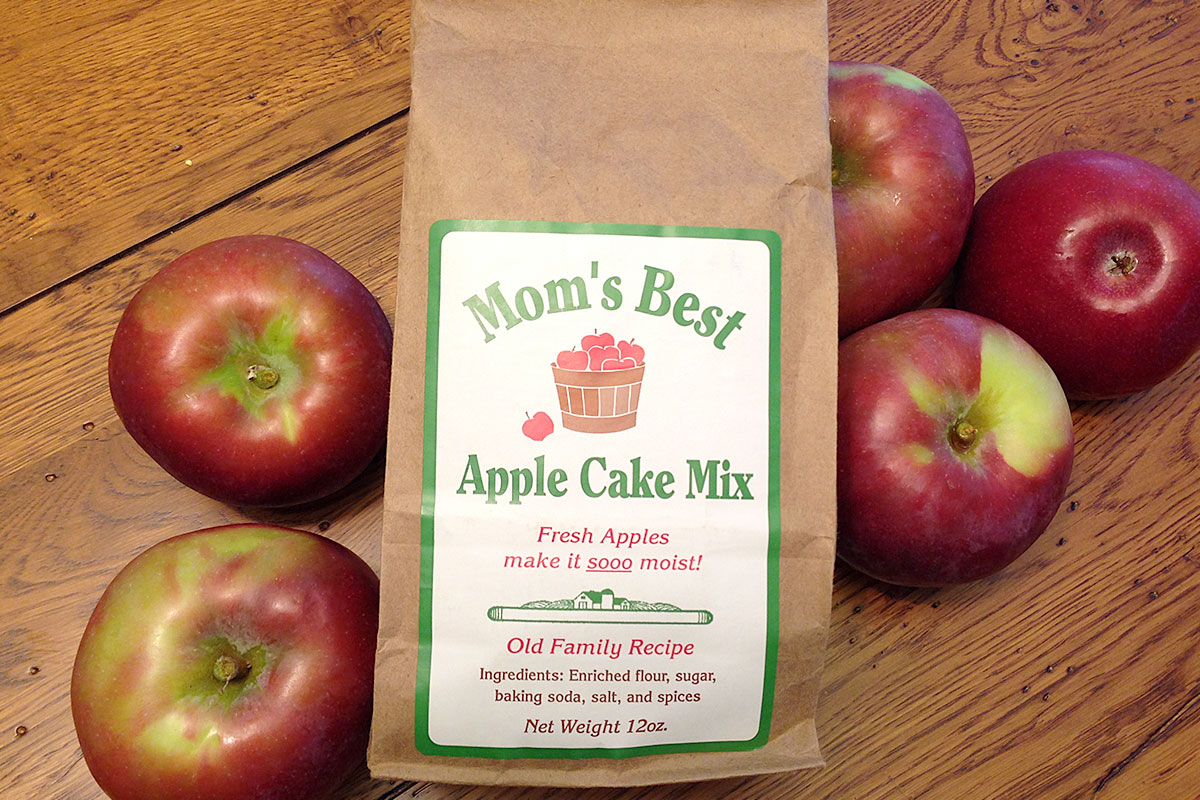
As a writer and journalist, I have always been fascinated by the world of food and nutrition. As someone who has struggled with maintaining a healthy diet, I know firsthand how difficult it can be to make the right choices when it comes to what we eat.
One fruit that has garnered much attention in recent years is the McIntosh apple. This juicy and delicious fruit is known for its crisp texture and sweet flavor, making it a favorite among many health enthusiasts. But is there more to this apple than meets the eye? Let’s take a deeper look.
Firstly, let’s talk about the nutritional value of McIntosh apples. One medium-sized apple contains around 95 calories, 25 grams of carbohydrates, and 4 grams of fiber. It also contains small amounts of vitamin C and potassium. While these numbers may not seem like much, they do offer some nutritional benefits.
The fiber content in McIntosh apples can help keep you feeling full for longer periods of time, which may aid in weight loss efforts. Additionally, eating apples has been linked to lower rates of heart disease due to their high levels of antioxidants.
However, while McIntosh apples are certainly a healthy choice compared to many other snacks out there, they should not be considered a miracle cure or superfood. Eating an apple won’t magically fix all your health problems or provide all necessary nutrients on its own.
Moreover, it’s important to consider where your food comes from when making dietary choices – especially when looking at fruits like apples that are often grown using pesticides. While buying organic produce isn’t always feasible due to cost constraints or availability issues depending on where you live geographicallty , choosing locally sourced options whenever possible is generally going to be better for both your health (less pesticide residues) as well as supporting local farmers.
Finally, let’s address something more sinister: The rise of ‘McIntosh elitism’ within certain circles who espouse that only this particular variety of apple is worth eating. This is a dangerous mindset that can lead to unhealthy and unsustainable dietary habits, not to mention snobbery-induced rifts among your friends who might prefer something else.
In closing, McIntosh apples can certainly be part of a healthy diet – but they are by no means the only option out there. Eating a variety of fruits and vegetables (whether organic or conventionally grown) will help ensure you get all the necessary nutrients for optimal health. So next time you’re at the grocery store, don’t be afraid to try something new!

Leave a Reply