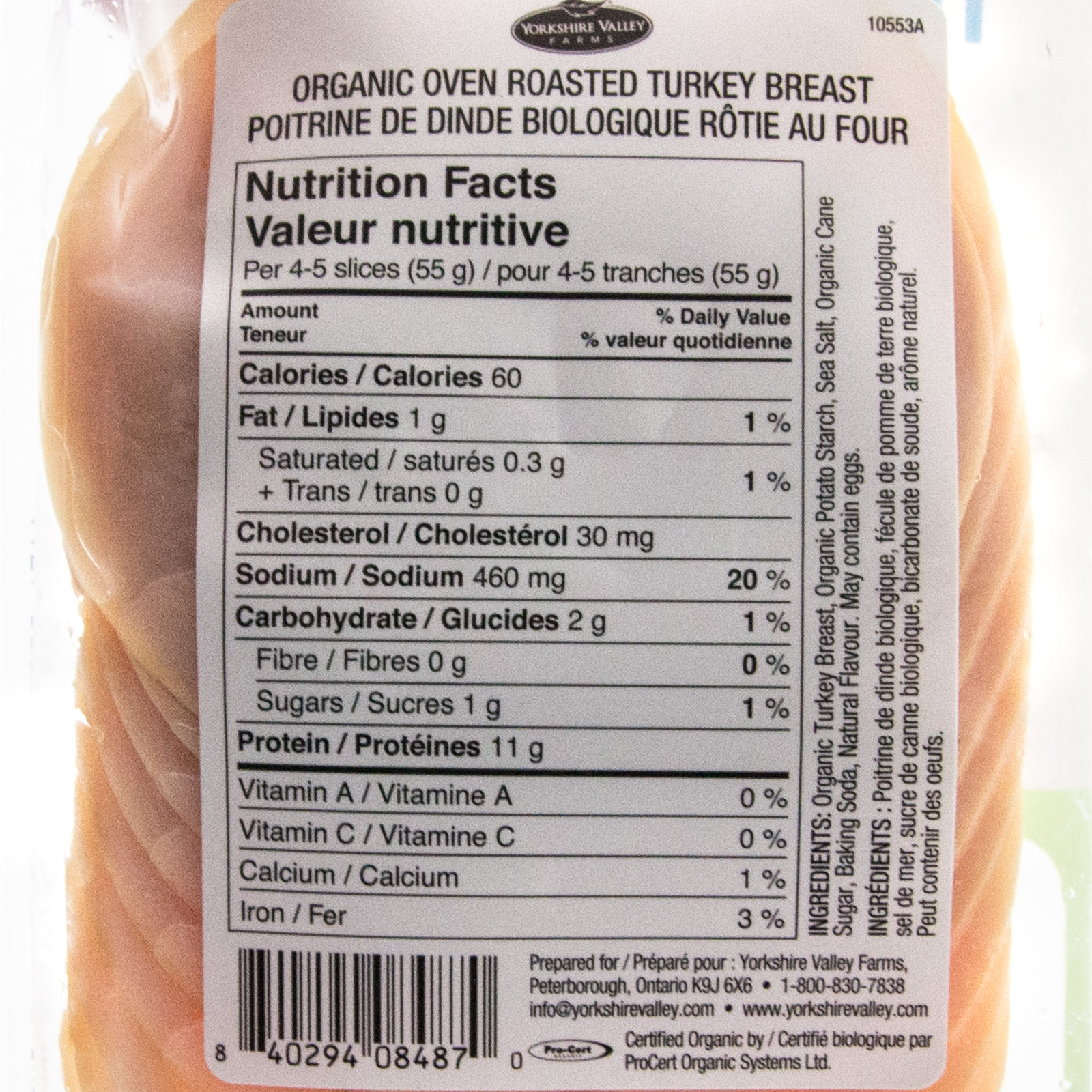
Turkey breast is a lean and versatile protein that can be enjoyed in many different ways. Whether it’s roasted, grilled, or sliced deli-style for sandwiches, turkey breast is a healthy choice that’s low in fat and high in protein.
To help you learn more about this nutritious food, we’ve put together some of the most frequently asked questions about turkey breast:
Q: What are the health benefits of eating turkey breast?
A: Turkey breast is an excellent source of high-quality protein, which is essential for building and repairing muscle tissue. It’s also low in fat, especially saturated fat, making it a heart-healthy choice. Additionally, turkey contains important nutrients like vitamin B6 and niacin that support brain function and metabolism.
Q: Is all turkey created equal when it comes to nutrition?
A: Not necessarily. When choosing turkey breast products, it’s important to look at the nutrition label to see how much sodium and added preservatives are included. Some pre-packaged deli-style turkeys may have higher levels of salt or other additives than fresh turkey breasts.
Q: How should I cook a whole turkey breast?
A: Roasting is one of the best methods for cooking a whole turkey breast as it helps retain moisture while giving the skin a crispy texture. Preheat your oven to 325°F (165°C) before placing your seasoned bird in a roasting pan with 1/2 inch (1 cm) water on the bottom. Cook until done – typically around two hours depending on its size – checking internal temperature regularly with an instant-read thermometer inserted into thickest part of meat without touching bone; when temperature reaches at least 165°F (74°C), your turkey will be ready!
Q: Are there any creative ways to use leftover cooked turkey?
A: Absolutely! One popular way to repurpose leftovers is by making soup or chili using diced cooked meat along with vegetables such as carrots celery, and onions. Another favorite is using turkey in a quesadilla or wrap with avocado and other veggies.
Q: How can I ensure that my turkey breast stays moist while cooking?
A: One way to keep your turkey breast from drying out during the cooking process is to baste it regularly with melted butter or olive oil. You can also cover the bird with foil for the first hour of cooking before removing it to allow the skin to brown.
Q: Can I substitute turkey breast for chicken in recipes?
A: Yes, absolutely! Turkey breast has a similar mild flavor and tender texture as chicken, making it an excellent choice for dishes like stir-fry, salads, and casseroles. It’s also a great alternative for those who prefer not to eat red meat but still want a source of protein.
Q: Are there any downsides to eating too much turkey?
A: While there aren’t any significant drawbacks associated with consuming moderate amounts of turkey – unless you are allergic – overeating could lead to digestive discomfort or weight gain due its high protein content when combined with other calorie-dense foods.
In conclusion, Turkey breast is an excellent source of lean protein that’s easy to prepare and versatile enough for many different types of meals. Whether you’re roasting an entire bird or slicing up some deli-style meat for sandwiches, this nutritious food should be considered as part of your healthy eating plan. Just make sure you’re mindful about portion control if you’re trying to maintain a healthy weight!

Leave a Reply