Manganese: The Unsung Hero of Minerals
When we think about essential minerals, most people immediately think of calcium for strong bones, iron for energy, and potassium for muscle function. But there’s one mineral that often goes unnoticed in the mix – manganese.
Manganese is a trace mineral found in many foods including nuts, whole grains, leafy greens, and legumes. It plays a critical role in several bodily functions such as bone health and metabolism regulation.
One of the primary benefits of manganese is its ability to promote healthy bone growth. Manganese works with other essential minerals like calcium, vitamin D, and magnesium to build strong bones. Studies have shown that an adequate intake of manganese can help prevent osteoporosis – a condition characterized by brittle bones and increased risk of fractures.
In addition to its bone-building benefits, manganese also supports metabolism regulation by assisting enzymes involved in breaking down carbohydrates, amino acids (the building blocks of proteins), and cholesterol. This makes it an important mineral for maintaining healthy blood sugar levels and managing diabetes.
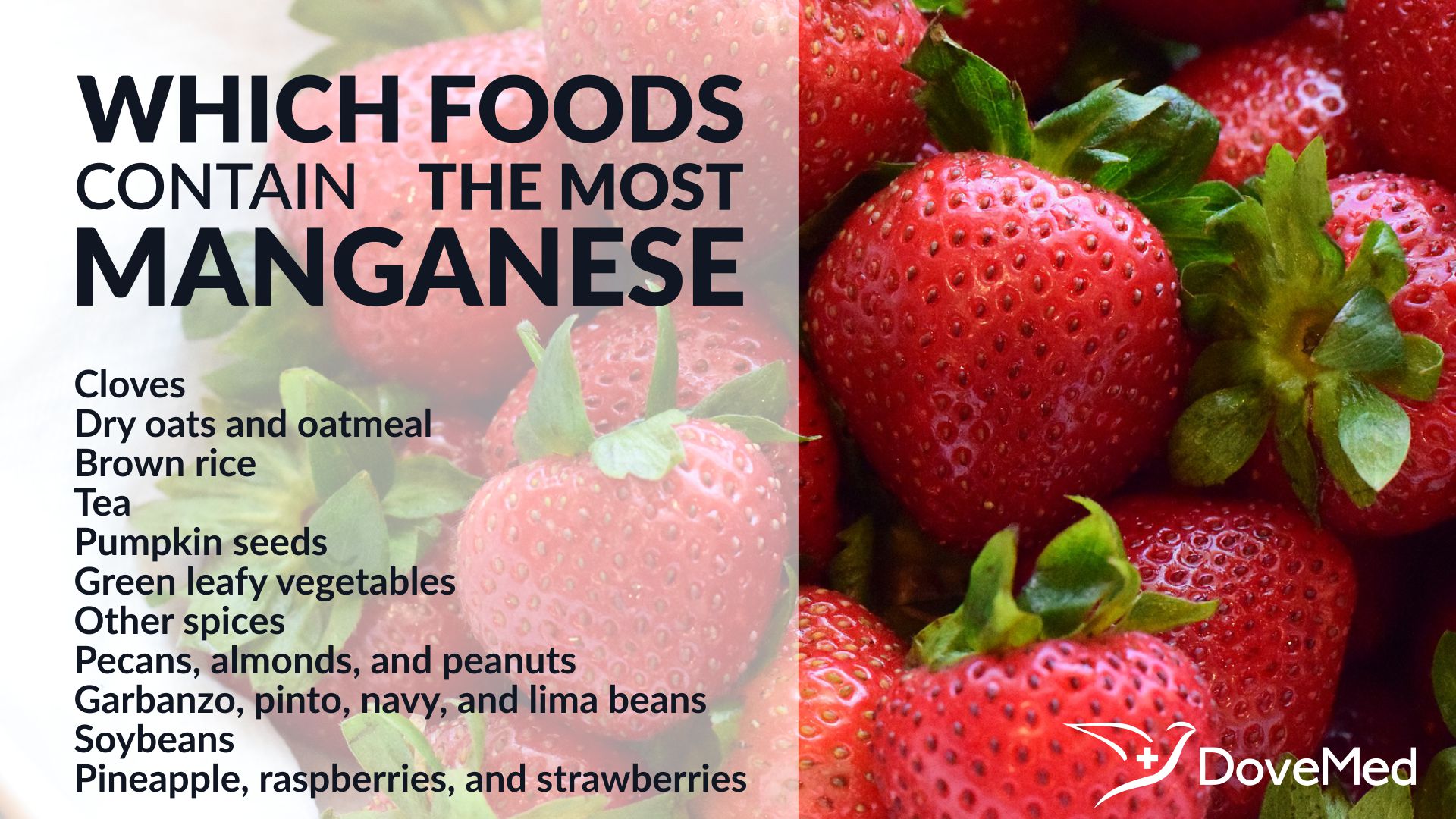
If you’re looking to incorporate more manganese into your diet, some delicious food sources include:
– Whole Grains: oats, brown rice
– Nuts & Seeds: almonds, pumpkin seeds
– Leafy Greens: spinach, kale
– Legumes: lentils
But be careful not to overdo it! While manganese is crucial for optimal health when consumed in proper amounts; excessive levels can be harmful. Symptoms of too much manganese include tremors or shaking hands (similar to Parkinson’s disease), irritability or mood changes.
The recommended daily intake varies based on age group but generally ranges from 1.6 mg/day for women up to 2.3 mg/day for men aged 19 years or older.
Although deficiencies are rare due to its wide availability in many types of foods; those who suffer from malabsorption disorders such as celiac disease may be at higher risk of a deficiency. Symptoms of manganese deficiency include bone demineralization, impaired growth, and abnormal glucose metabolism.
So next time you’re planning your meals or snacks, don’t forget about the unsung hero of minerals – manganese! Add some nuts to your oatmeal, toss some spinach into your salad or try a lentil soup. Your bones and metabolism will thank you for it.

Leave a Reply