As we age, our bodies change in many ways. One of the most significant changes is a decrease in metabolism, which means we need fewer calories to maintain our weight and energy levels. This is why portion control becomes even more important for seniors who want to maintain a healthy lifestyle.
Portion control involves eating the right amount of food for your body’s needs. When it comes to seniors, this means finding a balance between getting enough nutrients while avoiding overeating. Here are some tips on how seniors can practice portion control:
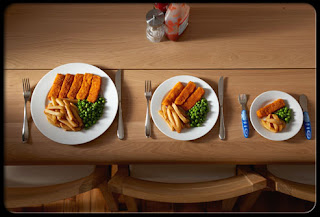
1. Use smaller plates: Using smaller plates will make it easier to control portions since there will be less space to fill up with food.
2. Measure your food: We often underestimate how much we eat, so measuring out portions using cups or a kitchen scale can help us get an accurate measurement.
3. Eat slowly: Eating slowly can help us feel fuller faster, which reduces the likelihood of overeating.
4. Avoid distractions while eating: Seniors should avoid watching TV or scrolling through their phones while eating since this can lead to mindless snacking and overeating.
5. Fill up on fruits and vegetables: Fruits and vegetables are low in calories but high in nutrients, making them an excellent addition to any meal or snack.
6. Practice mindful eating: Mindful eating involves paying attention to the taste, texture, and smell of each bite of food you take instead of rushing through meals without thinking about what you’re consuming.
7. Don’t skip meals: Skipping meals can lead to overeating later on as hunger builds up throughout the day.
8. Drink water before meals: Drinking water before meals can help us feel fuller faster and reduce the amount of food we eat during each meal.
9. Avoid processed foods: Processed foods are often high in calories but low in nutrients, making them easy to overeat without feeling full or satisfied.
10. Listen to your body’s hunger and fullness signals: Seniors should pay attention to their body’s signals of hunger and fullness, eating when hungry and stopping when they feel satisfied.
By practicing portion control, seniors can maintain a healthy weight, reduce the risk of chronic diseases such as diabetes and heart disease, improve digestion, and increase energy levels. While it may take some time to adjust to these new habits, the benefits are well worth the effort.
In addition to portion control, there are other steps seniors can take to ensure they’re getting proper nutrition:
1. Eat a variety of foods: Eating a variety of foods ensures that you’re getting all the nutrients your body needs for good health.
2. Choose lean protein sources: Seniors should choose lean protein sources such as chicken or fish instead of high-fat options like red meat.
3. Limit sodium intake: High sodium intake can raise blood pressure levels in seniors, so it’s essential to limit intake by avoiding processed foods with high salt content.
4. Get enough fiber: Fiber is crucial for digestion and helps prevent constipation in seniors. Good sources include fruits and vegetables, whole grains like brown rice or quinoa, nuts/seeds.
5. Consider supplements: In some cases where diet alone cannot meet nutritional needs (such as vitamin D), supplements may be necessary for optimal health outcomes.
It’s important for seniors to consult with their healthcare provider before making any significant dietary changes or starting any new supplement regimen.
Overall, portion control is an essential part of healthy eating for seniors who want to live active lives free from chronic disease while maintaining a healthy weight. By following these tips on portion control along with ensuring adequate nutrition through a diverse diet and potentially using supplements as advised by their doctor; seniors can enjoy long-lasting health benefits that will help them age gracefully with optimal wellness!

Leave a Reply