Vegan Baking Tips and Tricks: A Historical Approach
Baking is an art, a science, and a passion. It requires precision, patience, and creativity. And for vegans, it can also be a challenge. But fear not! With these vegan baking tips and tricks inspired by historical recipes and techniques, you will be able to create delicious treats that are cruelty-free, healthy, and full of flavor.
Let’s start with the basics: the ingredients.
One of the main challenges when it comes to vegan baking is finding suitable substitutes for eggs. Eggs play many roles in baking: they provide structure, leavening power, moisture, coloration, flavor enhancement… The good news is that there are several vegan egg replacements that work well in different types of recipes:
– Aquafaba: This magical liquid found in cans of chickpeas (or other legumes) can be whipped like egg whites or used as a binding agent. To make aquafaba meringue or whipped cream, simply drain the liquid from a can of chickpeas into a bowl and whisk vigorously until stiff peaks form (add sugar gradually if desired). To use aquafaba as an egg replacer in cakes or cookies, use 3 tablespoons per egg called for in the recipe.
– Flaxseed meal: Mix 1 tablespoon ground flaxseed with 3 tablespoons water to replace one egg. Let sit for 5 minutes until thickened before using.
– Silken tofu: Blend 1/4 cup soft silken tofu with any liquids called for in the recipe (such as oil or non-dairy milk) until smooth before adding dry ingredients.
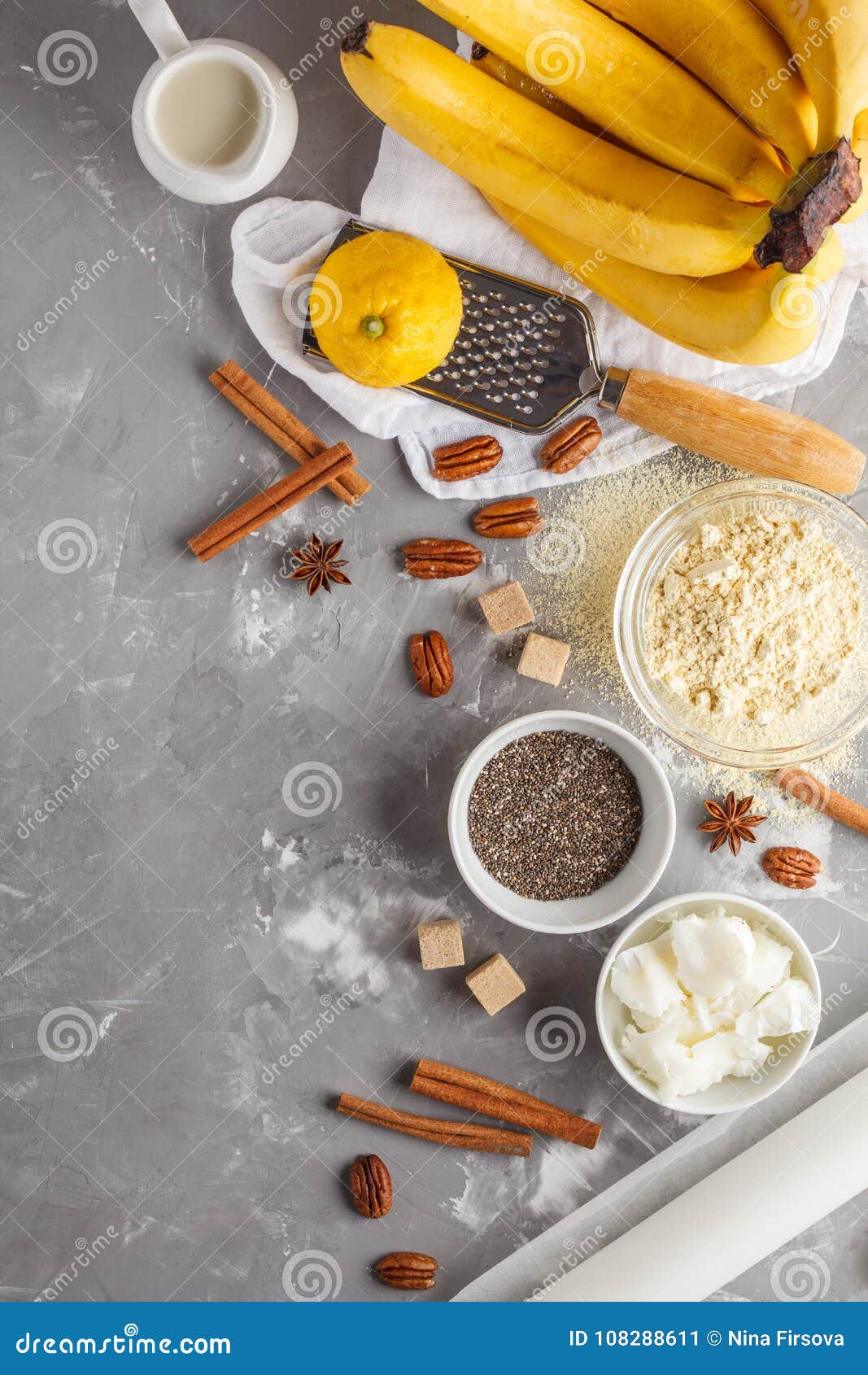
– Applesauce or mashed banana: Use 1/4 cup unsweetened applesauce or mashed ripe banana to replace one egg in muffins or quick breads.
Another crucial ingredient in vegan baking is butter. Thankfully there are plenty of plant-based alternatives that can be used in equal amounts:
– Coconut oil: Solid at room temperature, coconut oil adds a subtle tropical flavor and richness to baked goods. It can also be used as a butter substitute for pie crusts or biscuits.
– Vegan margarine: Look for brands that are free from animal products and hydrogenated oils, such as Earth Balance or Miyoko’s.
– Nut butters: Almond, cashew, or peanut butter can add nuttiness and moisture to cookies or brownies.
Now that we have our vegan ingredients ready, let’s move on to some historical techniques that can enhance the texture and taste of our baked goods.
First up is sourdough. Sourdough bread has been around for thousands of years and was the main type of bread consumed by people until commercial yeast became widely available in the 19th century. Sourdough is made by fermenting flour and water with wild yeasts and bacteria present in the environment. The resulting dough is tangy, chewy, nutritious (thanks to the fermentation process), and easier to digest than regular bread.
You can use sourdough starter not only for bread but also for pancakes, waffles, muffins, cakes… anything that calls for flour and liquid! To make your own sourdough starter, mix equal parts (by weight) of flour and water in a jar until you get a thick batter consistency. Cover with a cloth or lid with holes (to allow gases to escape) and let sit at room temperature for several days until bubbles form on top. Feed your starter daily with fresh flour and water (discarding half each time) until it becomes active enough to use in recipes (usually after one week). Store your starter in the fridge between uses.
The second historical technique I want to share is aquafaba marshmallow fluff. Marshmallows were originally made from marshmallow root extract mixed with sugar and egg whites. Nowadays, most commercial marshmallows contain gelatin (an animal product) as a binding agent. However, you can make your own vegan marshmallow fluff using aquafaba!
To do so, whip up some aquafaba meringue as described above and gradually beat in hot sugar syrup (made by boiling equal parts sugar and water until it reaches 240°F). Keep whipping until the mixture becomes fluffy and glossy (this will take about 10 minutes). Transfer to a piping bag or container and let cool before using.
Aquafaba marshmallow fluff can be used in s’mores, frosting, ice cream… anywhere you would use regular marshmallows!
Finally, let’s talk about spices. Spices have been used for centuries to enhance the flavor of baked goods without adding extra fat or sugar. Here are some historical spice combinations that work particularly well with vegan ingredients:
– Gingerbread: A classic wintertime treat made with molasses, ginger, cinnamon, cloves, nutmeg.
– Chai: A fragrant blend of black tea leaves, cardamom pods, cinnamon sticks, star anise pods.
– Pumpkin pie: A Thanksgiving staple made with canned pumpkin puree (or roasted butternut squash), brown sugar or maple syrup,
cinnamon,
ginger,
nutmeg,
cloves.
Experiment with different spices to create your own signature blends! And remember that baking is not an exact science – don’t be afraid to tweak recipes according to your taste preferences or ingredient availability.
In conclusion,
Vegan baking may seem daunting at first glance but once you get the hang of it there is no limit on what you can bake. With these tips inspired by historical recipes and techniques such as sourdough starter or spices combinations we hope this helped alleviate any fears while also giving insight into how our ancestors approached their cooking which we believe still has relevance today!

Leave a Reply