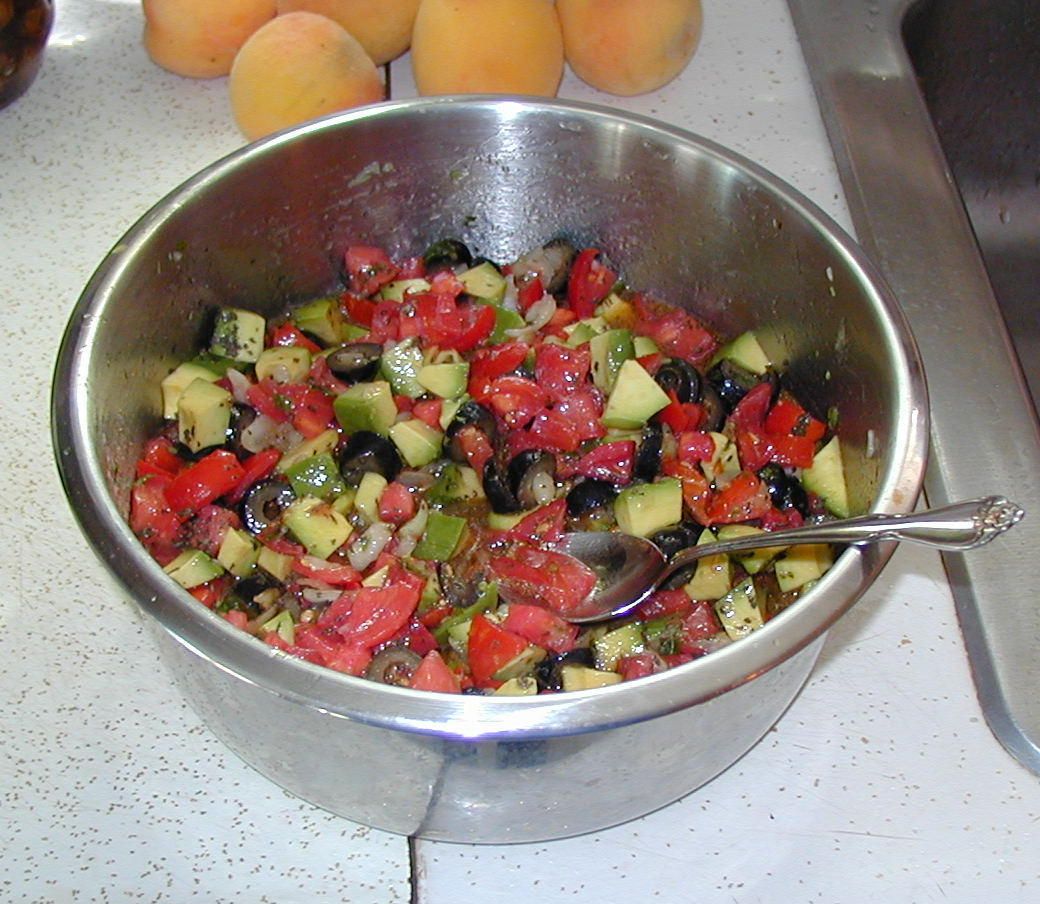
Raw food preparation techniques have gained popularity in recent years due to their numerous health benefits. By consuming raw foods, we can preserve the natural enzymes and nutrients present in fruits, vegetables, nuts, and seeds. If you’re looking to incorporate more raw foods into your diet, here are 15 techniques that can help you make delicious and nutritious dishes.
1. Soaking:
Soaking is a simple yet effective technique used for many raw recipes. By soaking nuts, seeds, grains, or legumes overnight or for several hours, you can enhance their digestibility and remove any anti-nutrients they may contain.
2. Sprouting:
Similar to soaking, sprouting involves allowing seeds or legumes to germinate by rinsing them with water over a few days until tiny sprouts appear. Sprouted foods are easier on digestion and packed with increased levels of vitamins and minerals.
3. Juicing:
Juicing is an excellent way to extract essential nutrients from fruits and vegetables while bypassing the digestive process. Freshly made juices provide a concentrated dose of vitamins, minerals, enzymes, and antioxidants that are quickly absorbed by the body.
4. Blending:
Blending whole fruits or vegetables creates smoothies that retain all the fiber alongside essential nutrients like vitamins C and A. Including leafy greens like spinach or kale in your smoothies adds extra nutritional value without altering the taste significantly.
5. Fermenting:
Fermentation is a traditional preservation method that also increases nutrient availability in foods. Fermented foods like sauerkraut or kimchi supply beneficial bacteria (probiotics) crucial for gut health while providing unique flavors to your meals.
6. Dehydrating:
Dehydration involves removing moisture from food using low heat over an extended period—usually around 115°F (46°C). This technique allows you to create crispy snacks like kale chips or fruit leather while preserving most of the vital nutrients found in fresh produce.
7. Spiralizing:
Spiralizers are handy gadgets that can transform vegetables like zucchini, carrots, or cucumbers into noodle-like shapes. These vegetable noodles, also known as “zoodles,” provide a low-calorie alternative to traditional pasta and add texture and variety to your meals.
8. Marinating:
Marinating is an essential technique in raw food preparation as it infuses flavors into dishes without cooking them. By using acidic ingredients like lemon juice or apple cider vinegar combined with herbs and spices, you can tenderize vegetables while adding depth to their taste.
9. Pickling:
Pickling involves preserving fruits or vegetables by immersing them in a mixture of water, vinegar, salt, and spices for several days or weeks. Apart from extending shelf life, pickled foods offer a tangy flavor profile that can be enjoyed on its own or used as toppings in salads or wraps.
10. Raw Sauces and Dressings:
Making your own sauces and dressings ensures you have control over the quality of ingredients used while avoiding added preservatives often found in store-bought versions. From creamy avocado dressings to flavorful tomato-based sauces, there are endless possibilities when it comes to raw condiments.
11. Nut Milk Making:
Nut milks such as almond milk or cashew milk are simple to prepare at home with just a few ingredients: nuts soaked overnight and blended with water until smooth. You can customize the sweetness level by adding dates or other natural sweeteners if desired.
12. Veggie Wraps:
Replacing traditional flour-based wraps with large lettuce leaves allows you to enjoy fresh veggies wrapped up in an edible package without any gluten concerns. Fill your wraps with colorful shredded vegetables, sprouts, avocados, hummus, or even marinated mushrooms for added umami flavor.
13. Raw Desserts:
Who said eating raw means skipping dessert? Raw desserts made from whole foods like nuts, dates, and fruits can be just as satisfying as their baked counterparts. From raw cheesecakes to energy balls or chocolate avocado pudding, indulging in a sweet treat while nourishing your body is entirely possible.
14. Raw Sushi:
Sushi doesn’t have to mean fish and rice. Raw veggie sushi rolls made with julienned vegetables, sprouts, and flavorful sauces are a fantastic option for a light lunch or dinner. Experimenting with different fillings such as mango or bell peppers adds variety to this refreshing dish.
15. Layered Salads:
Creating visually appealing salads by layering colorful ingredients showcases the beauty of raw foods while ensuring you get a variety of nutrients in each bite. Start with leafy greens at the bottom, then add layers of chopped veggies, grains or legumes, seeds or nuts, and top it off with your favorite homemade dressing.
Incorporating these raw food preparation techniques into your culinary repertoire will not only expand your menu but also provide you with an abundance of health benefits. From increased nutrient intake to improved digestion and vibrant flavors, embracing raw food can truly transform your eating habits for the better.

Leave a Reply