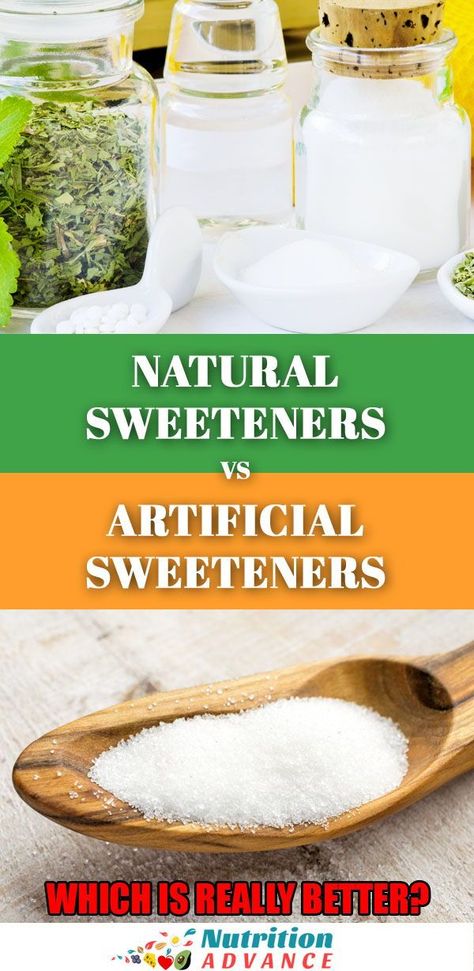
Sugar Substitutes: A Comprehensive Guide to Healthy Alternatives
Introduction:
In today’s health-conscious world, many individuals are seeking alternatives to traditional sugar in order to reduce their calorie intake and improve overall well-being. Sugar substitutes have gained popularity as a way to satisfy sweet cravings without the negative effects of excessive sugar consumption. This article will provide an overview of various sugar substitutes, including artificial sweeteners, natural sweeteners, and low-calorie options, shedding light on their benefits, drawbacks, and potential health implications.
1. Artificial Sweeteners:
Artificial sweeteners are synthetic substances that mimic the taste of sugar but contain little or no calories. They are widely used in processed foods and beverages marketed as “diet” or “sugar-free.” Common artificial sweeteners include saccharin (Sweet’N Low), aspartame (Equal), sucralose (Splenda), acesulfame potassium (Ace-K), and neotame.
Benefits:
– Virtually zero calories: Artificial sweeteners can be an attractive option for those looking to manage their weight or control blood sugar levels.
– Intense sweetness: Compared to table sugar, artificial sweeteners provide a significantly sweeter taste with smaller quantities needed for similar flavor intensity.
– Tooth-friendly: Most artificial sweeteners do not contribute to tooth decay since they are not broken down by oral bacteria.
Drawbacks:
– Aftertaste: Some people may detect a slight aftertaste when consuming products containing certain artificial sweeteners.
– Digestive issues: In high amounts, some individuals may experience gastrointestinal discomfort such as bloating or diarrhea.
– Potential adverse effects on gut microbiota: Research suggests that certain artificial sweeteners might negatively impact gut health by altering the composition of beneficial bacteria in the digestive system. However, more studies are needed for conclusive evidence.
2. Natural Sweeteners:
Natural sweeteners come from plant sources and undergo minimal processing compared to refined white sugar. They are often perceived as healthier alternatives due to their natural origins and sometimes contain additional nutrients. Popular natural sweeteners include stevia, monk fruit extract, date syrup, coconut sugar, and raw honey.
Benefits:
– Fewer calories: Natural sweeteners generally have fewer calories than traditional sugar.
– Lower glycemic index: Some natural sweeteners, such as stevia or monk fruit extract, have a minimal impact on blood sugar levels.
– Nutritional value: Unlike refined sugars that lack essential nutrients, certain natural sweeteners like raw honey or date syrup provide small amounts of vitamins, minerals, and antioxidants.
Drawbacks:
– High sweetness intensity: Natural sweeteners can be significantly sweeter than table sugar; therefore, smaller quantities should be used to achieve the desired level of sweetness.
– Potential for overconsumption: Due to their association with being “natural,” people may mistakenly assume they can consume larger quantities without concern. However, moderation is still crucial since excessive intake can contribute to weight gain or metabolic issues.
3. Low-calorie Sweeteners:
Low-calorie sweeteners are a category of artificial or natural sugar substitutes that provide significant sweetness with minimal calories. These options offer individuals an opportunity to enjoy the taste of sweetness while minimizing calorie intake. Examples include erythritol, xylitol, and sorbitol.
Benefits:
– Reduced calorie consumption: Low-calorie sweeteners allow individuals to satisfy their cravings for sweets without consuming excess calories found in regular sugar.
– Suitable for baking: Many low-calorie sweeteners have similar properties as table sugar when it comes to cooking and baking.
Drawbacks:
– Digestive discomfort: Some people may experience digestive upset from consuming large amounts of low-calorie sweetener products since these compounds are not fully absorbed by the body and can ferment in the gut.
– Potential laxative effects: Certain low-calorie sweeteners like sorbitol or maltitol can act as laxatives when consumed in large quantities.
4. Understanding Sugar Alcohols:
Sugar alcohols, such as erythritol, xylitol, and sorbitol, are commonly used as sweeteners in sugar-free products. Despite their name, they do not contain ethanol (the alcohol found in alcoholic beverages). Sugar alcohols are carbohydrates derived from plant sources but undergo a different metabolic process compared to regular sugar.
Benefits:
– Reduced calorie content: Sugar alcohols provide fewer calories than table sugar.
– Suitable for diabetics: Some sugar alcohols have minimal impact on blood glucose levels and can be a viable option for individuals with diabetes.
– Tooth-friendly: Unlike regular sugars that promote tooth decay, sugar alcohols do not contribute significantly to dental cavities.
Drawbacks:
– Potential digestive issues: Consuming large amounts of sugar alcohols may lead to bloating, gas, or diarrhea due to incomplete absorption by the small intestine.
– Cooling effect: Certain sugar alcohols like erythritol can leave a cooling sensation in the mouth when consumed in high concentrations.
Conclusion:
Choosing a suitable sugar substitute depends on individual preferences and health considerations. Artificial sweeteners offer zero calories while providing intense sweetness; however, concerns regarding gut health exist. Natural sweeteners offer an array of options with potential nutritional benefits but should still be used mindfully due to their caloric content. Low-calorie sweeteners and sugar alcohols provide reduced calorie alternatives but can cause digestive discomfort when consumed excessively.
Ultimately, moderation is key when incorporating any type of sweetener into one’s diet. Consulting a healthcare professional or registered dietitian can help determine the best choice based on personal health goals and dietary needs. Remember that reducing overall added-sugar intake and focusing on whole foods remains crucial for maintaining optimal well-being.

Leave a Reply