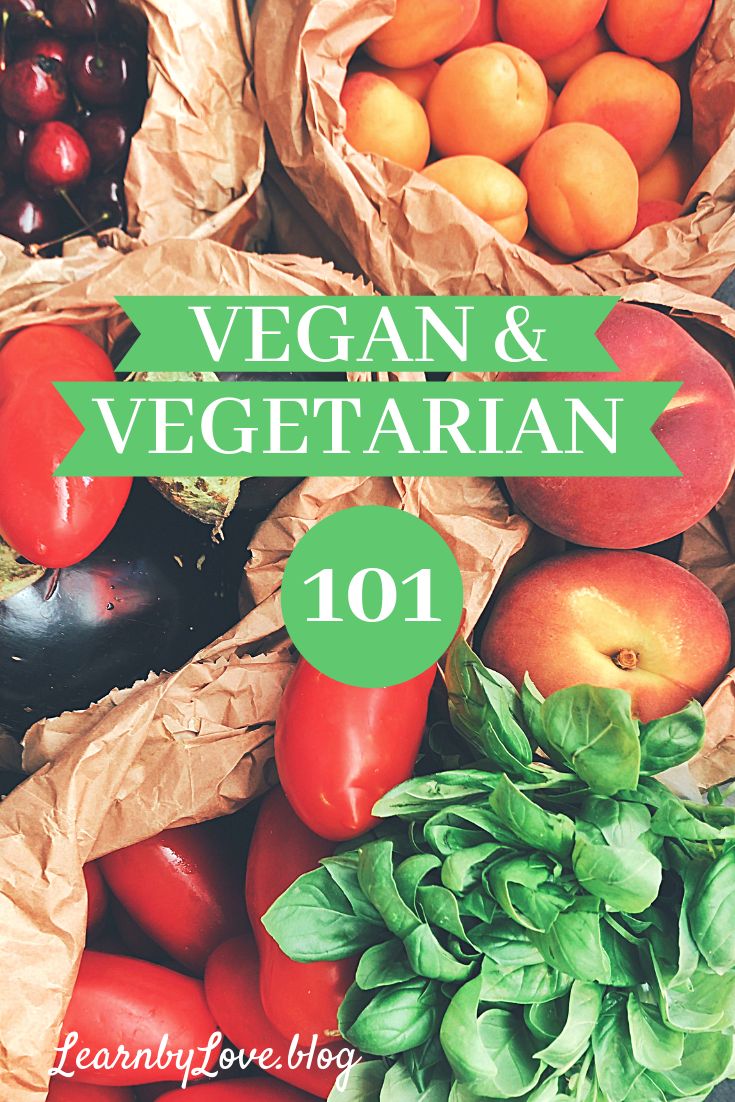
Sustainable Eating as a Vegan: A Guide to Making a Positive Impact
In recent years, there has been a growing interest in sustainable eating practices. As individuals become more conscious of their environmental footprint, many are turning to veganism as a way to reduce their impact on the planet. Adopting a vegan lifestyle not only benefits animal welfare but also has significant environmental advantages.
One of the key reasons why veganism is considered sustainable is its lower carbon footprint. Animal agriculture is responsible for approximately 14% of global greenhouse gas emissions, making it one of the largest contributors to climate change. By eliminating animal products from your diet, you significantly reduce your carbon emissions and water usage.
Furthermore, choosing plant-based foods also helps conserve natural resources. Producing meat requires vast amounts of land, water, and feed crops that could otherwise be used to grow food directly for human consumption. By opting for fruits, vegetables, grains, and legumes instead of meat and dairy products, you support efficient use of resources.
Vegan diets can also contribute positively to biodiversity conservation. The expansion of livestock farming often leads to deforestation and habitat destruction as forests are cleared for grazing or growing animal feed crops such as soybeans or corn. By avoiding these products, vegans help preserve vital habitats for endangered species.
Moreover, veganism promotes ethical consumption by reducing animal suffering in factory farms where animals are subjected to cramped conditions and inhumane treatment. Supporting cruelty-free choices aligns with sustainability principles since it encourages better treatment of all living beings.
When adopting a vegan lifestyle with sustainability in mind:
1. Emphasize whole foods: Focus on consuming fresh fruits and vegetables along with whole grains and legumes rather than relying heavily on processed alternatives.
2. Choose local and seasonal produce: This reduces transportation-related emissions while supporting local farmers.
3. Minimize waste: Plan meals carefully to avoid food waste; compost leftovers when possible.
4. Support eco-friendly packaging: Opt for products with minimal or recyclable packaging.
5. Educate others: Share your knowledge and experiences to inspire others to make sustainable food choices.
By adopting a vegan diet, you can contribute significantly to a more sustainable future. Remember, even small changes in our eating habits can have a big impact when it comes to protecting the planet and its resources.

Leave a Reply