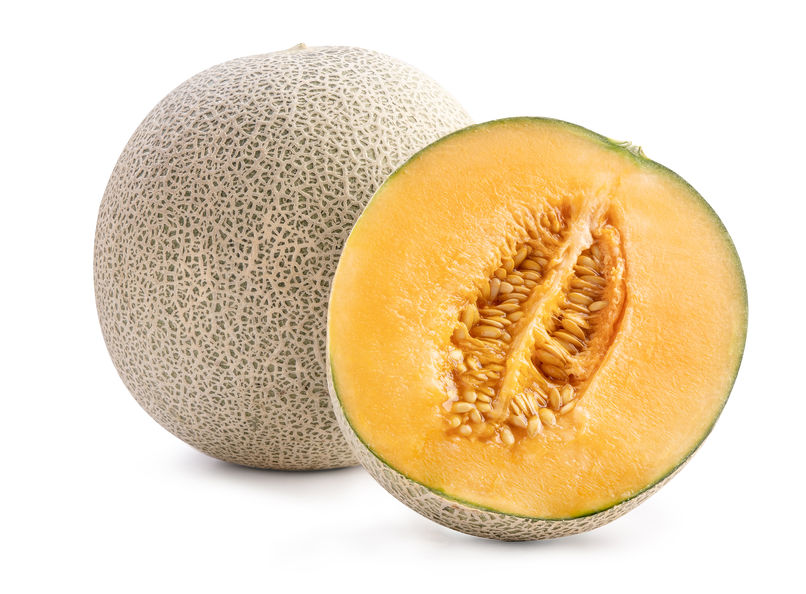
Cantaloupe, also known as muskmelon or rockmelon, is a delicious and refreshing fruit that is popular during the summer months. Its juicy and sweet flesh, combined with its numerous health benefits, make it an excellent addition to any diet. In this article, we will explore the various aspects of cantaloupe – from its nutritional profile to its potential health benefits and creative ways to incorporate it into your meals.
1. Cantaloupe varieties and their nutritional profiles:
Cantaloupes come in different varieties, each with its own unique characteristics and flavors. Some common types include the Hale’s Best variety, which has a firm texture and a rich sweetness; the Charentais melon, known for its intense aroma; and the Sugar Cube variety, which boasts small-sized fruits with high sugar content.
In terms of nutrition, cantaloupes are low in calories but packed with essential vitamins and minerals. A one-cup serving of diced cantaloupe contains only around 60-70 calories but provides more than 100% of your daily requirement for vitamin C. It is also a good source of vitamin A, potassium, folate, and dietary fiber.
2. The history and origin of cantaloupe:
Cantaloupes have a long history dating back thousands of years. They are believed to have originated in ancient Persia (modern-day Iran) before spreading across Europe during the Roman Empire era. The name “cantaloupe” actually comes from Cantalupo di Sabina near Rome where these melons were cultivated in abundance during medieval times.
3. How to choose a ripe cantaloupe at the grocery store:
Selecting a ripe cantaloupe can be challenging since they don’t continue ripening after being picked like some other fruits do. To ensure you pick a ripe one at the grocery store:
– Look for melons that feel heavy for their size, indicating they are full of juice.
– Check the skin. Ripe cantaloupes should have a slightly golden hue and a rough texture on the surface.
– Give it a gentle press on the blossom end; if it yields slightly without being too soft or mushy, it is likely to be ripe.
4. Creative ways to incorporate cantaloupe into salads:
Cantaloupe’s sweet flavor and juicy texture make it an excellent addition to salads. Here are some creative ideas:
– Combine diced cantaloupe with arugula, feta cheese, and toasted almonds for a refreshing summer salad.
– Mix cubed cantaloupe with cucumber, mint leaves, and lime juice for a tangy melon-cucumber salad.
– Toss sliced cantaloupe with prosciutto, mozzarella balls, cherry tomatoes, and fresh basil for an Italian-inspired caprese salad twist.
5. Cantaloupe smoothie recipes for a refreshing snack:
Cantaloupes can be transformed into deliciously refreshing smoothies that are perfect for hot summer days. Try these recipes:
– Blend together chopped cantaloupe, Greek yogurt, honey (optional), and ice cubes for a simple yet satisfying smoothie.
– Combine frozen banana slices, spinach leaves, almond milk (or any preferred milk), and chunks of ripe cantaloupe in a blender until smooth.
6. Cantaloupe as a hydrating fruit during summer months:
With its high water content (over 90%), cantaloupes are an excellent choice to stay hydrated during the scorching summer months. Eating this juicy fruit can help replenish fluids lost through sweat while also providing essential vitamins and minerals.
7. The benefits of eating cantaloupe for skin health:
The vitamin C content in cantaloupes plays a crucial role in maintaining healthy skin by promoting collagen production. Collagen is a protein that gives skin its elasticity and helps reduce the appearance of wrinkles. Additionally, the antioxidants in cantaloupes help protect the skin from damage caused by free radicals.
8. Cantaloupe and its role in supporting eye health:
Cantaloupes are rich in beta-carotene, a precursor to vitamin A, which is essential for good vision. Adequate intake of this nutrient can help prevent age-related macular degeneration (AMD) and promote overall eye health.
9. Cantaloupe as a natural remedy for digestive issues:
The high water content and dietary fiber found in cantaloupes make them beneficial for maintaining a healthy digestive system. Consuming fiber-rich foods like cantaloupes can aid in preventing constipation and promoting regular bowel movements.
10. Exploring the vitamin C content in cantaloupes:
Vitamin C is an important antioxidant that supports immune function, aids collagen synthesis, and helps protect cells from damage caused by free radicals. Cantaloupes are an exceptional source of this vitamin, with just one cup providing more than your daily requirement.
11. Cantaloupe’s role in boosting the immune system:
In addition to vitamin C, cantaloupes also contain other antioxidants like beta-carotene and vitamin A that contribute to a strong immune system. These nutrients help fight off infections and keep your body’s defense mechanisms functioning properly.
12. The impact of cantaloupes on heart health and blood pressure regulation:
Cantaloupes are low in sodium but high in potassium – a mineral known for its ability to regulate blood pressure levels by counteracting the effects of sodium. Including potassium-rich foods like cantaloupe as part of a balanced diet may contribute to maintaining healthy blood pressure levels.
13. Cantaloupes as a source of dietary fiber for improved digestion:
Dietary fiber plays an essential role in maintaining regular bowel movements and promoting a healthy digestive system. Cantaloupes contain both soluble and insoluble fiber, which can aid in digestion and prevent constipation.
14. The role of antioxidants in cantaloupes and their potential health benefits:
Cantaloupes are rich in antioxidants, which help protect the body against oxidative stress caused by free radicals. These compounds have been associated with various health benefits, including reducing inflammation, supporting cardiovascular health, and preventing chronic diseases such as cancer.
15. Cantaloupes and their contribution to weight management:
Due to their high water content and low calorie count, cantaloupes can be an excellent addition to a weight management plan. They provide a feeling of fullness while delivering essential nutrients without adding excess calories.
16. Nutritional comparison: cantaloupes vs other melons:
While all melons offer numerous health benefits, there are some nutritional differences worth noting. Cantaloupe tends to be higher in calories than watermelon but lower in sugar content compared to honeydew melon. Each melon variety has its unique set of vitamins and minerals, so it’s beneficial to include a variety of melons in your diet for maximum nutritional value.
17. Incorporating cantaloupes into low-carb or keto diets:
Cantaloupe is relatively high in natural sugars compared to some other fruits, making it less suitable for strict low-carb or ketogenic diets that limit carbohydrate intake severely. However, if consumed in moderation within daily carb limits, it can still be enjoyed as part of a balanced diet.
18. The effects of freezing or cooking on the nutritional value of cantaloupes:
Freezing or cooking cantaloupe may slightly alter its texture but generally does not significantly affect its nutritional value. While heat exposure during cooking may cause some nutrient loss (especially vitamin C), frozen cantaloupe remains nutritious when thawed properly before consumption.
19. Potential allergic reactions to consuming cantaloupes:
Although rare, some individuals may experience allergic reactions to cantaloupes. Symptoms can range from mild oral allergy syndrome (itchy mouth or throat) to more severe reactions such as hives, difficulty breathing, or anaphylaxis. If you have a known melon allergy or suspect an allergy, it’s best to avoid consuming cantaloupe and seek medical advice.
20. Growing your own organic cantaloupes at home:
If you’re interested in gardening, growing your own organic cantaloupes can be a rewarding experience. Cantaloupe plants thrive in warm climates and require well-drained soil with plenty of sunlight. With proper care and attention, you can enjoy the satisfaction of harvesting fresh and flavorful fruits from your own garden.
21. Tips for storing and preserving fresh cantaloupes:
To ensure maximum freshness and flavor, follow these storage tips:
– Store whole ripe cantaloupes at room temperature until they reach the desired level of ripeness.
– Once fully ripe, refrigerate them in a plastic bag for up to 5 days.
– Cut-up or sliced cantaloupe should be stored in an airtight container in the refrigerator for up to 3 days.
22. Using leftover or overripe cantaloupes in creative recipes:
Don’t let leftover or overripe cantaloupe go to waste! Here are some creative ways to use them:
– Blend them into homemade popsicles by pureeing with yogurt or fruit juice.
– Make a refreshing agua fresca by blending cubed melon with water, lime juice, and sweetener if desired.
– Dice them up and add them to salsa for a unique twist on a classic recipe.
23. Cantaloupe-infused water recipes for hydration with flavor:
Infusing water with slices of fresh cantaloupe is an excellent way to add flavor without added sugars or artificial ingredients. Try these combinations:
– Cantaloupe and mint: Add a few sprigs of fresh mint to a pitcher of water with sliced cantaloupe for a refreshing and invigorating drink.
– Cantaloupe and citrus: Combine slices of cantaloupe with lemon, lime, or orange slices for a zesty twist.
24. Exploring the aroma compounds in different types of cantaloupes:
Cantaloupes are known for their distinct aroma, which varies depending on the variety. The aromatic compounds responsible for this unique scent include esters, aldehydes, and ketones. Different varieties may have varying levels of these compounds, contributing to their individual flavors and aromas.
25. Conclusion:
Cantaloupes are not only delicious but also offer numerous health benefits due to their rich nutritional profile. From supporting skin health to boosting the immune system and aiding digestion, this versatile fruit is worth incorporating into your diet. Whether enjoyed on its own or in creative recipes like salads or smoothies, cantaloupes provide a refreshing taste while nourishing your body with essential vitamins and minerals. So next time you’re at the grocery store or planning your meals, don’t forget to grab some juicy cantaloupe – your taste buds and body will thank you!

Leave a Reply