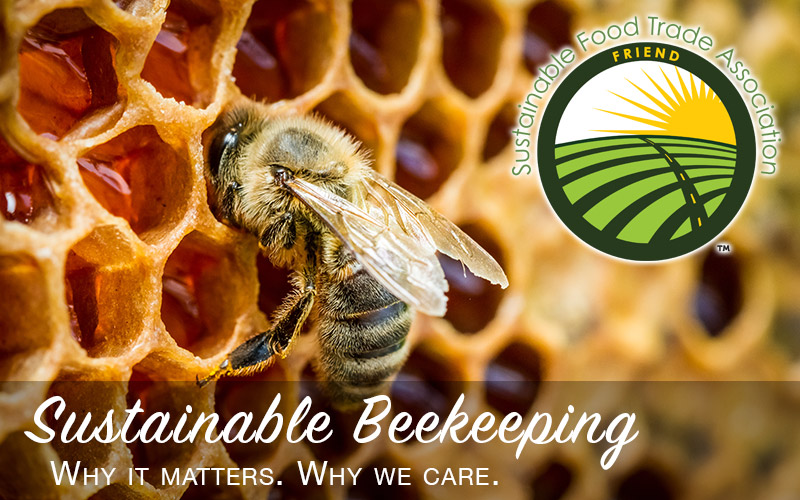
Locally Produced Honey: A Sweet and Sustainable Delight
In recent years, there has been a growing interest in locally produced food, as people seek to support local farmers and reduce their carbon footprint. One such product that has gained popularity is honey. Not only does it provide us with a natural and delicious sweetener, but it also plays a crucial role in promoting biodiversity and supporting our environment. In this article, we will explore the benefits of consuming locally produced honey and delve into the fascinating world of beekeeping practices.
The Importance of Local Honey
There are numerous reasons why choosing locally produced honey is beneficial for both consumers and the environment. Firstly, local honey is unpasteurized, unlike many commercial brands available on supermarket shelves. Pasteurization involves heating honey to high temperatures to kill any potential bacteria or yeast present in the product. While this process may extend its shelf life, it also destroys many valuable enzymes and nutrients found naturally in raw honey.
By opting for local honey, you can enjoy all the health benefits that come from these enzymes and nutrients which include antioxidants, vitamins (such as vitamin C), minerals (including iron), amino acids, and various other beneficial compounds. These elements contribute to boosting your immune system while aiding digestion and providing an energy boost without causing harmful blood sugar spikes like refined sugars do.
Moreover, consuming local honey may help alleviate seasonal allergies. When bees collect pollen from plants near your home region, they inadvertently transfer small amounts of pollen into their nectar-rich concoction – honey! By regularly consuming small doses of this localized pollen through raw local honey consumption before allergy season begins; some individuals have experienced reduced symptoms over time due to their body’s gradual adaptation.
Supporting Beekeepers: Local Heroes
Beekeeping is an ancient practice that dates back thousands of years when humans first discovered the golden elixir created by bees’ hard work – liquid gold we now know as honey! However, bee populations have been declining worldwide due to various factors, including pesticide use, habitat loss, climate change, and diseases. By supporting local beekeepers who practice sustainable and ethical methods of honey production, we can play a crucial role in safeguarding these vital pollinators.
Local beekeepers are often small-scale producers who care deeply about the well-being of their bees and the environment. They prioritize organic practices by avoiding harmful pesticides that harm both bees’ health and our own. Additionally, they provide adequate foraging opportunities for their colonies by cultivating diverse plant species in or around their apiaries. This ensures that bees have access to a wide range of pollen sources throughout the year, leading to healthier hives.
Furthermore, many local beekeepers adopt responsible hive management techniques that focus on promoting natural behaviors within the colony. For instance, instead of clipping queen bees’ wings to restrict swarming (a natural reproductive behavior), they allow them to form new colonies when conditions are suitable – thus helping maintain genetic diversity among honeybees.
Promoting Biodiversity: Bees as Environmental Stewards
Bees are not only remarkable creatures but also serve as environmental stewards through their roles as pollinators. Pollination is an essential ecological process that facilitates the fertilization of plants and allows them to reproduce. It’s estimated that nearly 80% of flowering plants depend on animal pollinators like bees for reproduction – making them invaluable contributors to global biodiversity.
By keeping honeybees locally and practicing responsible beekeeping techniques, we help support this delicate balance between flora and fauna. Localized beekeeping promotes a diverse landscape where native wildflowers flourish alongside cultivated crops—a boon for other pollinators such as butterflies and bumblebees too!
Additionally, having diverse plant species in close proximity helps create a robust ecosystem where beneficial insects thrive while minimizing pest infestations naturally without resorting heavily on chemical inputs.
Getting Started with Beekeeping
If you’re inspired by the importance of beekeeping and want to explore this rewarding hobby, there are a few essential steps to consider. First and foremost, educate yourself about bees’ biology, behavior, and the responsibilities involved in keeping them. Numerous resources, courses, and local beekeeping associations can provide valuable information for beginners.
Next, ensure that you have enough space in your backyard or access to an appropriate area where bees can thrive without disturbing neighbors or posing risks to individuals with allergies. It’s also critical to check local regulations regarding beekeeping permits or restrictions before embarking on your journey.
Once you’ve done your research and secured a suitable location for the hives, it is time to invest in equipment such as beehives (which come in various designs), protective gear (including veils, gloves, and suits), smokers (used to calm bees during hive inspections), and tools like hive tools for maintenance tasks.
When acquiring bees for your new apiary, opt for purchasing from reputable breeders who prioritize strong genetics while avoiding importing honeybees from regions where they could potentially introduce diseases or disrupt local ecosystems.
Finally, be prepared for ongoing learning experiences as beekeeping is a dynamic practice that requires regular attention throughout the year. From monitoring hive health and managing pests to harvesting honey responsibly – being attuned to your colonies’ needs will ensure their well-being while providing you with ample rewards.
In conclusion, locally produced honey not only presents us with a delicious natural sweetener but also serves as a gateway towards supporting sustainable practices that benefit both our health and the environment. By choosing raw local honey over its processed counterparts found on supermarket shelves; we enjoy its full nutritional benefits while aiding our bodies’ adaptation against seasonal allergies. Moreover; through supporting local beekeepers who adopt ethical methods of production; we contribute towards conserving these important pollinators whose decline threatens global biodiversity. Whether through consuming this golden delight or venturing into beekeeping ourselves; let us embrace the sweetness and sustainability that honey and bees bring to our lives.

Leave a Reply