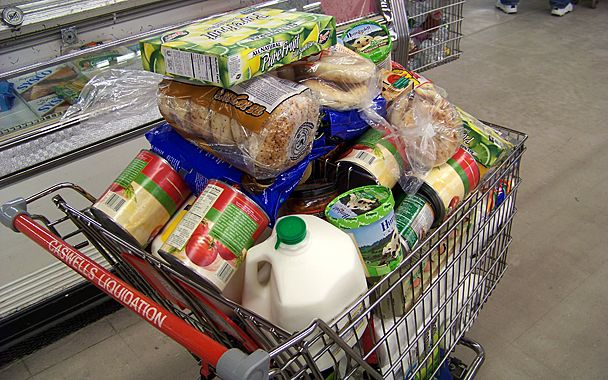
Buying in Bulk for Savings
When it comes to maintaining a healthy and balanced diet, managing your grocery budget can sometimes be a challenge. However, one strategy that can help you save money while still enjoying nutritious meals is buying in bulk. Buying in bulk refers to purchasing larger quantities of food items or household products at once, often at a lower cost per unit. Not only does this approach reduce packaging waste, but it can also result in significant savings over time.
One of the main advantages of buying in bulk is the potential for substantial cost savings. Retailers typically offer discounted prices when you purchase larger quantities of an item. This means that by buying staple foods like grains, legumes, nuts, and seeds in bulk, you can significantly lower your grocery bill compared to purchasing smaller packages or individual portions.
Another benefit of buying in bulk is the ability to reduce packaging waste. By opting for larger quantities of food items, you minimize the need for excessive packaging materials such as plastic bags or containers. This environmentally-friendly choice contributes positively towards sustainability efforts and helps reduce your carbon footprint.
Moreover, buying in bulk allows you to have better control over portion sizes. Instead of pre-packaged servings with fixed amounts that may not align with your specific needs or dietary preferences, buying ingredients such as rice or pasta from bulk bins enables you to select precisely how much you want to buy and consume. This way, you avoid unnecessary waste and ensure that your meals are tailored according to your requirements.
Additionally, purchasing certain items like spices or herbs from bulk sections offers various advantages beyond savings and reduced waste. It allows you to experiment with new flavors without committing to large quantities upfront since these ingredients are often sold by weight instead of volume measurements like bottles found on store shelves.
To make the most out of buying in bulk while maintaining a healthy eating plan:
1. Plan ahead: Before shopping for groceries in bulk, take some time to plan out meals so that you have a clear idea of the quantities required.
2. Check storage space: Ensure that you have sufficient storage space at home to store bulk purchases properly. Consider investing in airtight containers or glass jars to maintain freshness and prevent spoilage.
3. Compare prices: Before making your bulk purchase, compare prices across different stores or online platforms to ensure you’re getting the best deal possible.
4. Focus on non-perishables: When starting out with buying in bulk, it’s wise to begin with non-perishable items such as grains, dried fruits, nuts, or canned goods that have longer shelf lives.
5. Join a wholesale club: Wholesale clubs are popular options for buying in bulk and offer membership benefits like additional discounts and access to a wide range of products.
6. Share with others: If certain items come in larger quantities than needed for your household, consider splitting the cost and quantity with friends or family members who might be interested in joining forces for a joint purchase.
7. Be mindful of expiration dates: While many food items can last quite long when stored properly, always check the expiration dates before purchasing large amounts to avoid waste.
8. Explore local co-ops or farmers’ markets: These places often provide opportunities for buying produce directly from local farmers in larger quantities at competitive prices compared to supermarkets.
9. Don’t forget about freezer-friendly foods: Take advantage of your freezer by stocking up on frozen fruits, vegetables, meats, or even pre-prepared meals when they go on sale in bulk packages.
10. Consider health food stores or online retailers specializing in bulk sales: These outlets often offer a wider selection of organic products alongside conventional options if that is part of your dietary preference.
11. Stay organized and rotate stock regularly: By implementing proper inventory management techniques—using First In First Out (FIFO) principle—you can prevent food wastage by consuming older supplies before newer ones.
12. Keep track of savings: Monitor your grocery expenses over time to assess the impact of buying in bulk on your budget and make adjustments as needed.
In conclusion, buying in bulk is a smart strategy for individuals looking to save money while maintaining a healthy eating plan. Not only does it allow you to enjoy substantial cost savings and reduce packaging waste, but it also offers an opportunity to customize portion sizes and experiment with new flavors. By following some simple guidelines, you can successfully incorporate this approach into your grocery shopping routine and reap its benefits both economically and environmentally.

Leave a Reply