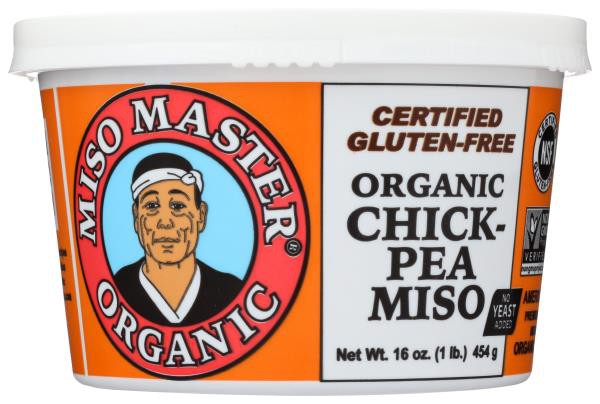
Miso, a traditional Japanese seasoning made from fermented soybeans, is a beloved ingredient in many dishes around the world. However, for those who follow a gluten-free diet, finding suitable options can be challenging. Fortunately, there are several gluten-free alternatives available that allow miso lovers to continue enjoying this flavorful condiment.
One option is to choose certified gluten-free miso paste. Some brands offer versions of their miso paste that have undergone rigorous testing for gluten contamination and are labeled as gluten-free. These products are made with ingredients such as soybeans, rice koji (a type of fungus used in fermentation), and sea salt – all free from gluten.
Another alternative is chickpea miso. Made from fermented chickpeas instead of soybeans, chickpea miso provides a similar umami taste while being naturally gluten-free. It has a milder flavor compared to traditional soy-based miso but works well in various recipes like soups, dressings, and marinades.
For those who prefer homemade options or want more control over the ingredients used, making your own gluten-free miso paste is also an excellent choice. By fermenting beans like chickpeas or adzuki beans with koji starter (available at health food stores), sea salt, and water for several months to years, you can create your own customized version of gluten-free miso paste.
Besides using alternative types of miso paste itself, it’s crucial to pay attention to other ingredients commonly paired with miso that might contain hidden sources of gluten. Soy sauce often contains wheat as an ingredient; therefore replacing it with tamari sauce (gluten-free soy sauce) will ensure your dish remains entirely free from gluten.
In conclusion, being on a gluten-free diet doesn’t mean giving up on the deliciousness of miso. With certified gluten-free options available on the market and alternatives like chickpea-based or homemade variations easily accessible, miso lovers can continue adding this savory seasoning to their favorite dishes while maintaining a gluten-free lifestyle.

Leave a Reply