Growing microgreens indoors is a great way to add fresh and nutritious greens to your diet all year round. These tiny plants are packed with vitamins, minerals, and antioxidants, making them a healthy addition to any meal. Plus, they are easy to grow and require minimal space and maintenance. In this article, we will explore the benefits of growing microgreens indoors and provide you with some tips on how to get started.
Microgreens are young vegetable greens that are harvested when they have developed their first true leaves. They are typically grown from seeds of various vegetables like kale, spinach, radish, broccoli, and many more. Despite their small size, microgreens contain higher concentrations of nutrients compared to their fully grown counterparts. Studies have shown that microgreens can have up to 40 times more vitamins than mature plants!
One of the main advantages of growing microgreens indoors is that you can control the entire growing process. You don’t need a garden or large outdoor space; a windowsill or countertop will do just fine. By cultivating these mini greens at home, you ensure that they are free from pesticides or other harmful chemicals commonly used in commercial farming.
To get started with indoor microgreen gardening, you’ll need some basic supplies such as shallow containers or trays for planting the seeds, potting soil or coconut coir as a growing medium, seeds specifically labeled for microgreen cultivation (these can be found in gardening stores or online), water spray bottle for watering without disturbing delicate seedlings, and sufficient light source.
The key element for successful growth is providing adequate light conditions since most homes don’t receive enough natural sunlight throughout the day. You can use fluorescent lights or LED grow lights designed for indoor gardening purposes. Position the lights about 2-4 inches above the tray containing the planted seeds and keep them on for around 14-16 hours per day.
When it comes to watering your microgreens, it’s important not to overwater them. Use the water spray bottle to mist the soil gently, keeping it moist but not soggy. Overwatering can lead to mold growth or root rot.
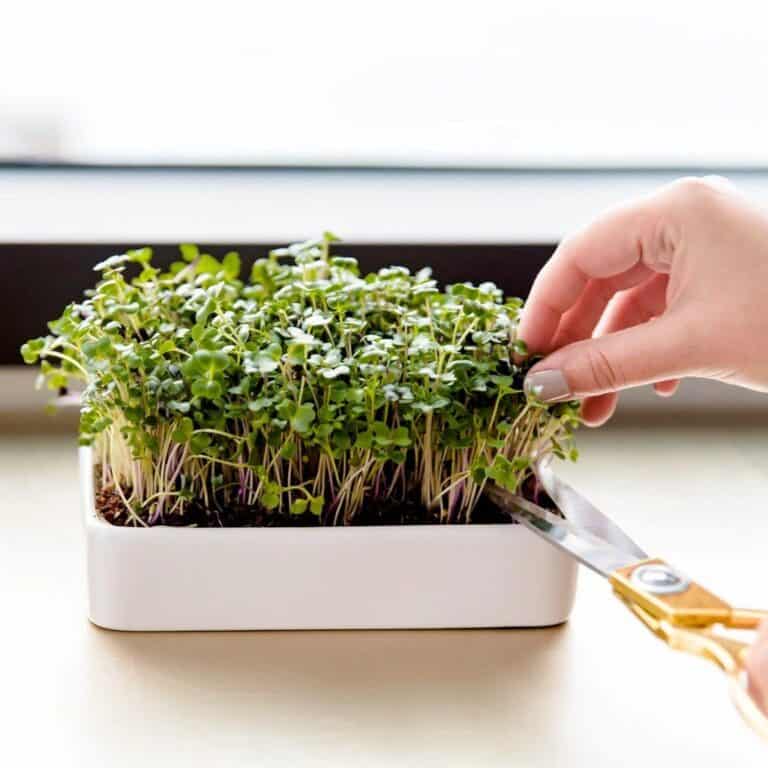
Within a week or two, your microgreens will start to sprout and grow their first set of true leaves. At this stage, they are ready for harvest. Simply cut them just above the soil line using sharp scissors or a knife. Rinse them under cool water and pat them dry before adding them to your dishes.
Microgreens can be used in various ways – as a garnish on salads, sandwiches, soups, omelets, or even blended into smoothies for an added nutritional boost. Their vibrant colors and delicate flavors make any dish visually appealing while contributing a fresh taste.
Growing microgreens indoors is not only rewarding but also a convenient way to incorporate nutrient-rich greens into your daily diet. With minimal effort and space requirements, you can enjoy these mini powerhouses of nutrition all year long! Give it a try and witness the wonders of growing your own microgreens at home.

Leave a Reply