Nutritional Requirements on a Plant-Based Diet
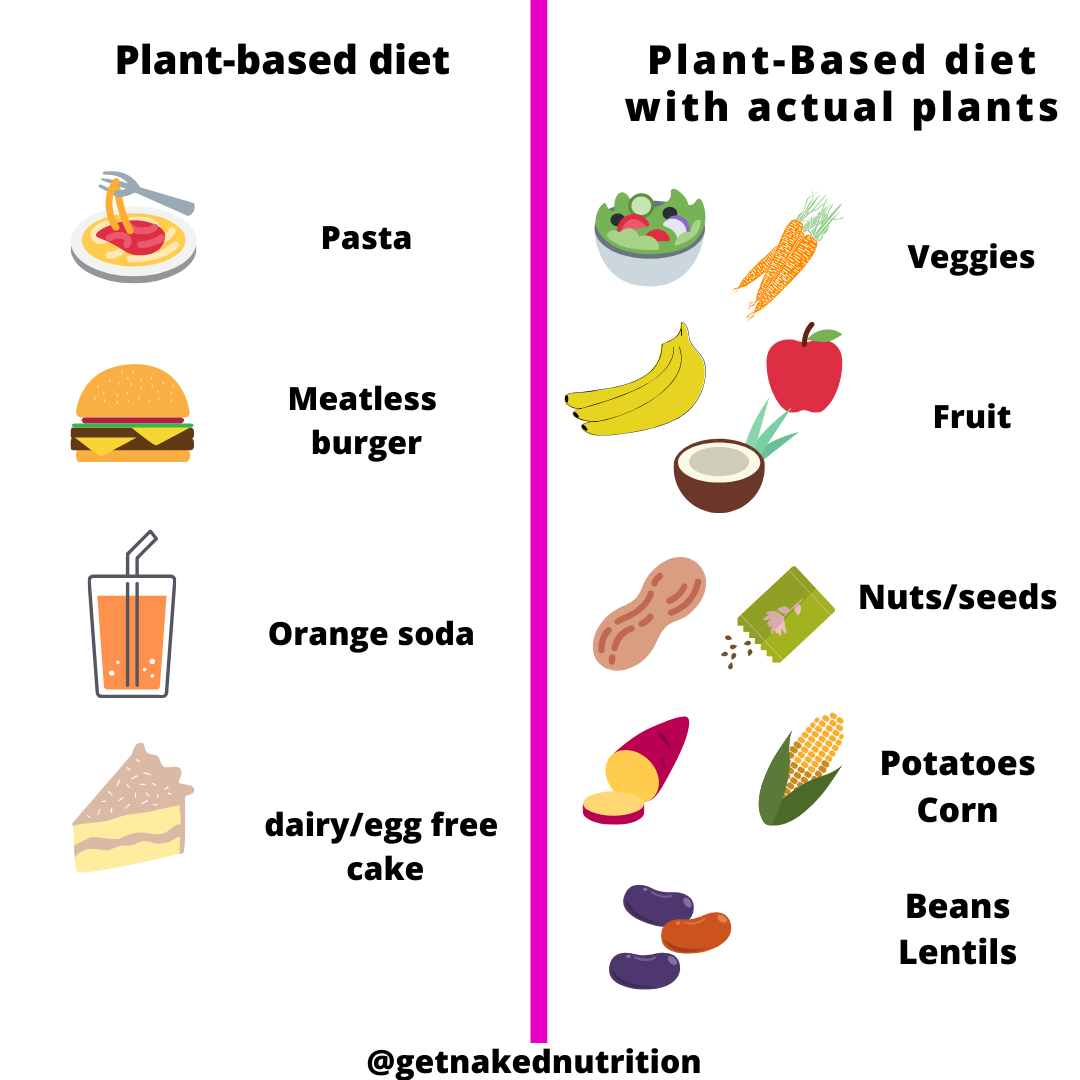
The popularity of plant-based diets has been steadily increasing in recent years, as more and more people are recognizing the health benefits associated with reducing or eliminating animal products from their meals. However, one concern that often arises is whether it’s possible to meet all of our nutritional needs solely through plant-based foods.
👉 Check it out: Shop Organic Supplements on Amazon
Fortunately, when properly planned, a plant-based diet can provide all the necessary nutrients for optimal health. In this article, we will discuss key nutritional requirements on a plant-based diet and how to ensure you’re meeting them.
👉 Check it out: Shop Vitamin D3 on Amazon
Protein
Protein is an essential nutrient needed for building and repairing tissues, producing enzymes and hormones, and supporting overall growth and development. Contrary to popular belief, protein deficiency is rare even on plant-based diets.
Plant sources of protein include legumes (such as beans, lentils, chickpeas), tofu, tempeh, seitan (wheat gluten), quinoa, hemp seeds, chia seeds, nuts (like almonds and walnuts), and whole grains. By incorporating a variety of these protein-rich foods into your meals throughout the day you can easily meet your protein requirements.
Iron
Iron plays a critical role in transporting oxygen throughout the body. While iron from animal sources (heme iron) is more easily absorbed by the body than iron from plants (non-heme iron), there are plenty of plant-based sources available.
Leafy greens like spinach and kale are excellent sources of non-heme iron. Legumes such as lentils and chickpeas also contain significant amounts. To enhance absorption of non-heme iron from plants pair them with vitamin C-rich foods like citrus fruits or bell peppers.
Calcium
Calcium is essential for strong bones and teeth as well as proper muscle function. Many people associate calcium primarily with dairy products but there are various plant-based options available too.
Fortified plant milks such as soy, almond, and oat milk often contain as much or even more calcium than cow’s milk. Other sources of plant-based calcium include tofu made with calcium sulfate, sesame seeds, tahini, almonds, and leafy greens like kale and collard greens.
Vitamin D
Vitamin D is crucial for maintaining healthy bones and teeth as it helps the body absorb calcium. Our bodies naturally produce vitamin D when exposed to sunlight; however, this can be challenging depending on where you live or during the winter months.
Plant sources of vitamin D are limited but include fortified plant milks (such as soy or almond milk) and certain types of mushrooms that have been exposed to UV light. It may also be necessary to consider a vitamin D3 supplement derived from lichen if sunlight exposure is insufficient.
Omega-3 Fatty Acids
Omega-3 fatty acids are essential fats that play a vital role in brain function and heart health. While fish is commonly associated with being a rich source of omega-3s due to its high concentration of EPA and DHA forms, there are several plant-based options available too.
Flaxseeds, chia seeds, hemp seeds, walnuts, algae-derived supplements (rich in EPA/DHA), and seaweed are all excellent sources of omega-3 fatty acids. Including these foods regularly in your diet can help meet your requirements.
Vitamin B12
Vitamin B12 is primarily found in animal products; therefore vegans need to pay attention to ensure they get an adequate intake. B12 is important for nerve function and DNA synthesis.
Fortified breakfast cereals or nutritional yeast are good plant-based sources of vitamin B12. Alternatively, taking a B12 supplement or consuming fortified plant-based milks or meat substitutes can help meet your needs.
Iodine
Iodine is crucial for thyroid function which regulates metabolism. Sea vegetables like nori or kombu contain significant amounts of iodine. However, the amount can vary, so it’s important to consume them in moderation and ensure an adequate intake.
Zinc
Zinc is involved in numerous bodily functions including immune function, wound healing, and DNA synthesis. Legumes (especially chickpeas and lentils), whole grains, nuts (such as cashews and almonds), seeds (like pumpkin or sesame seeds), tofu, and tempeh are all good plant-based sources of zinc.
Incorporating a wide variety of these foods into your meals will help ensure you’re meeting your nutritional needs on a plant-based diet. It’s also advisable to consult with a registered dietitian or nutritionist who specializes in plant-based diets to create an individualized plan that suits your specific requirements.
Remember, while adopting a plant-based diet offers numerous health benefits, proper planning is essential for ensuring adequate nutrient intake. By being mindful of key nutrients such as protein, iron, calcium, vitamin D, omega-3 fatty acids, B12, iodine, and zinc you can thrive on a well-balanced plant-based eating pattern.
🛒 Recommended Products
As an Amazon Associate, we earn from qualifying purchases.
Disclosure: This post contains Amazon affiliate links. As an Amazon Associate, we earn from qualifying purchases at no additional cost to you.

Leave a Reply