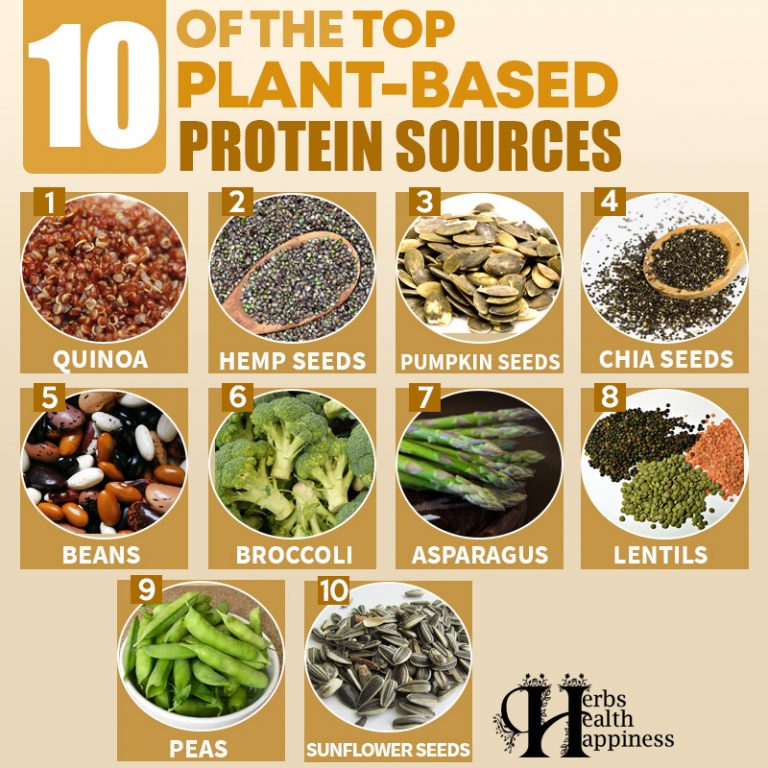
Plant-based protein sources have become increasingly popular in recent years, as more people are adopting vegetarian or vegan diets or simply looking to reduce their intake of animal products. While meat and dairy products have long been considered the primary sources of protein, there is a wide variety of plant-based foods that can provide all the essential amino acids necessary for a healthy diet.
1. Legumes: Legumes, including beans, lentils, and chickpeas, are excellent sources of plant-based protein. They also contain fiber and various vitamins and minerals. For example, one cup (198 grams) of cooked black beans contains approximately 15 grams of protein. Chickpeas are also rich in protein with around 14 grams per cooked cup (164 grams). Including legumes in your diet regularly is a great way to ensure an adequate intake of plant-based proteins.
2. Quinoa: Quinoa is a complete source of protein as it contains all nine essential amino acids our bodies need. It’s also gluten-free and high in fiber, making it an ideal option for those with dietary restrictions or sensitivities. One cup (185 grams) of cooked quinoa provides approximately 8 grams of protein.
3. Tofu and Tempeh: Tofu and tempeh are soy-based products that serve as versatile substitutes for meat in many dishes. Tofu has been consumed in Asian countries for centuries due to its high nutritional value; it’s made from curdled soy milk pressed into solid blocks that can be grilled, stir-fried or used in soups and stews. A half-cup (126 grams) serving typically contains about 10-20 grams of protein depending on firmness.
Tempeh is another fermented soy product originating from Indonesia – it has a nutty flavor profile which makes it popular among vegans seeking meat alternatives due to its texture being similar to chicken or beef when marinated appropriately before cooking. One cup (166 grams) of cooked tempeh provides around 30 grams of protein.
4. Seitan: Seitan, also known as wheat gluten or wheat meat, is a high-protein food made from gluten, the main protein in wheat. It has a chewy texture and absorbs flavors well when prepared with spices or marinades. A 3-ounce (85-gram) serving can contain up to 21 grams of protein.
5. Edamame: Edamame are young soybeans that are harvested before they harden. They are commonly found in Asian cuisine and make for a great snack or addition to salads and stir-fries. One cup (155 grams) of cooked edamame contains about 17 grams of protein along with fiber and other nutrients.
6. Nuts and Seeds: Nuts and seeds provide not only healthy fats but also significant amounts of plant-based proteins. Almonds, for example, contain about 6 grams of protein per ounce (28 grams), while pumpkin seeds offer approximately 8 grams per ounce (28 grams). Chia seeds have become increasingly popular due to their omega-3 fatty acid content; they provide around 4 grams of protein per two tablespoons (28 grams).
7. Spirulina: Spirulina is a blue-green algae that grows in both fresh and saltwater environments – it’s highly nutritious as it contains vitamins, minerals, antioxidants, and an impressive amount of plant-based proteins – typically around 8g per two tablespoons (28g). It’s often consumed in powdered form mixed into smoothies or added to energy bars.
8. Hemp Seeds: Hemp seeds come from the Cannabis sativa plant but don’t contain THC – the psychoactive compound found in marijuana; instead hemp seeds are rich in nutrients such as magnesium, iron, zinc, vitamin E along with providing roughly 9-10g of easily digestible protein per two tablespoons (28g). They have a slightly nutty flavor and can be sprinkled on top of salads, yogurt or added to smoothies.
9. Green Peas: While green peas are commonly known as a vegetable, they also pack a decent amount of protein – around 8 grams per cooked cup (160 grams) making them an excellent addition to any plant-based diet.
10. Nutritional Yeast: Nutritional yeast is deactivated yeast that’s often used as a cheese substitute in vegan dishes due to its cheesy flavor. It’s packed with B vitamins and provides about 14 grams of protein per ounce (28 grams). It can be sprinkled over popcorn, pasta dishes, or incorporated into sauces for added nutrition and flavor.
In conclusion, there are numerous plant-based protein sources available for those looking to adopt a vegetarian or vegan lifestyle or simply reduce their meat consumption. Legumes, quinoa, tofu, tempeh, seitan, edamame, nuts and seeds offer substantial amounts of protein along with various other nutrients. Additionally spirulina hemp seeds green peas and nutritional yeast provide additional options for incorporating plant-based proteins into your diet. With these diverse choices at hand, it’s easier than ever to meet your daily protein needs without relying on animal products.

Leave a Reply