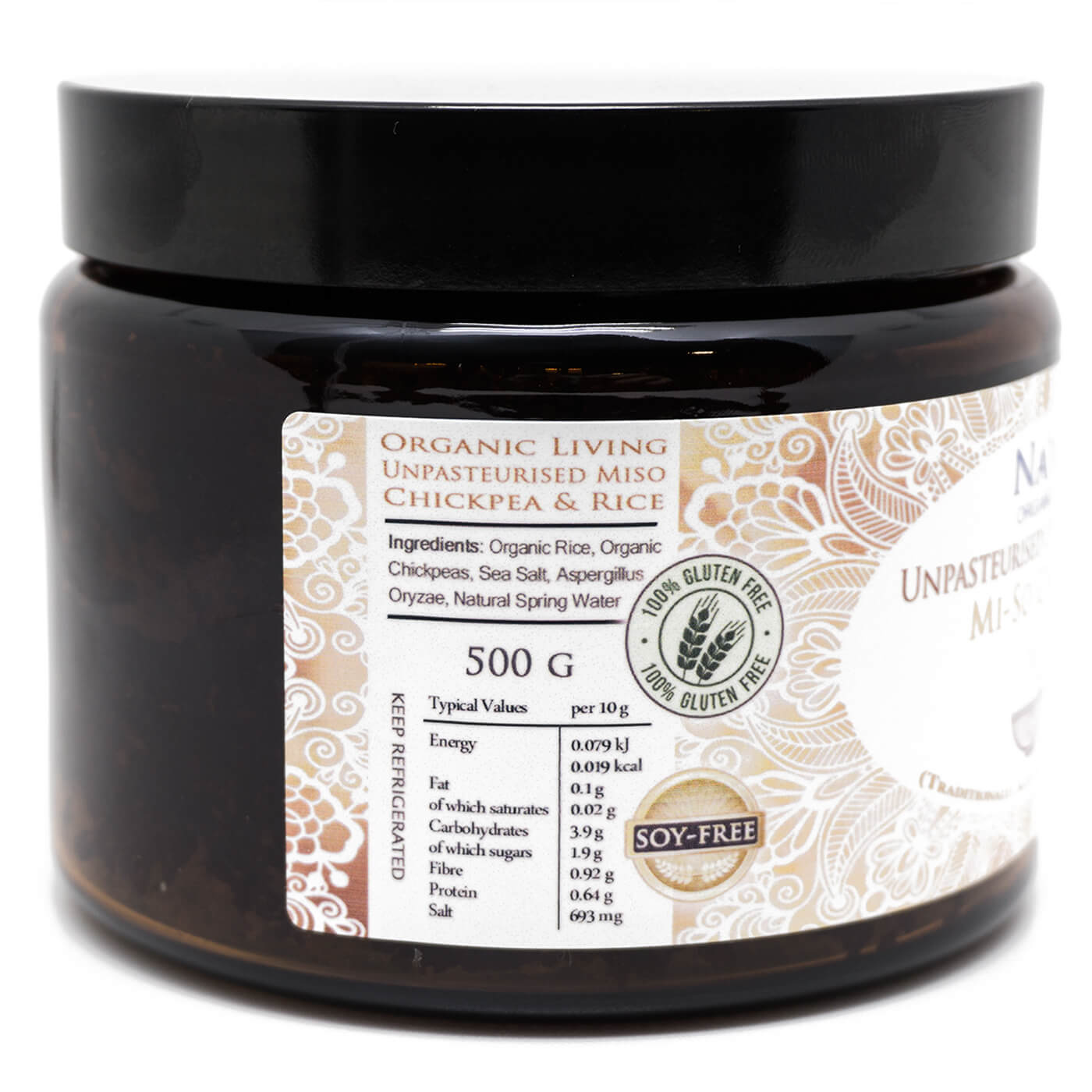
Move over, soy miso! There’s a new kid on the block that’s taking the world of fermented condiments by storm – chickpea miso. Yes, you heard it right. The humble chickpea has stepped up its game and transformed into a deliciously tangy and umami-packed paste that will make your taste buds dance with joy.
Miso, for those who are unfamiliar, is a traditional Japanese seasoning made from fermenting soybeans with salt and koji (a type of fungus). It has been a staple in Japanese cuisine for centuries and is known for its rich flavor and numerous health benefits. But now, thanks to some culinary genius, we have an alternative option that caters to various dietary preferences without compromising on taste – enter chickpea miso.
So why should you give this legume-based miso a try? Well, let me break it down for you:
1. Allergy-friendly: One of the biggest advantages of chickpea miso is its allergy-friendly nature. Many people have soy allergies or sensitivities, which can limit their options when it comes to enjoying traditional soy-based miso. Chickpeas provide an excellent alternative since they are non-allergenic and widely tolerated by most individuals.
2. Gut-healthy probiotics: Just like traditional miso, chickpea miso is also packed with beneficial bacteria known as probiotics. These living organisms aid digestion, support immune function, and promote overall gut health. So not only will your taste buds rejoice but your gut will thank you too!
3. Nutritional powerhouse: Chickpeas are not just tasty; they’re also incredibly nutritious! They are loaded with protein, fiber, vitamins (such as folate), minerals (like iron), and antioxidants that offer an array of health benefits such as improved heart health and blood sugar control.
4. Versatility at its finest: Chickpea miso’s versatility is truly remarkable. Its complex flavor profile adds depth to a wide range of dishes, from soups and stews to dressings and marinades. You can even use it as a spread on your morning toast or mix it into a dip for a unique twist.
5. Easy on the wallet: While soy miso tends to be quite pricey, chickpea miso comes at a more budget-friendly price point. This makes it accessible to those who want to incorporate miso into their diet without breaking the bank.
Now that we’ve covered why chickpea miso deserves a place in your pantry, let’s talk about how you can make this delicious condiment at home:
Ingredients:
– 2 cups cooked chickpeas
– 1 cup koji (readily available online or at specialty stores)
– 3 tablespoons sea salt
Instructions:
1. Rinse and drain the cooked chickpeas thoroughly.
2. In a food processor, blend the chickpeas until smooth.
3. Transfer the pureed chickpeas to a glass bowl and add the koji and sea salt.
4. Mix well until all ingredients are fully incorporated.
5. Cover the bowl with plastic wrap or a clean kitchen towel and allow it to ferment at room temperature for about one year…
Okay, I’m just kidding! It doesn’t actually take that long – only around six months will do! Just kidding again – you’ll have your tasty homemade chickpea miso ready in as little as three months!
6. After three months, give your miso mixture a taste test by taking out a small amount with clean hands or utensils (to avoid contamination). If it has developed its desired flavor and aroma, congratulations! Your homemade chickpea miso is ready for consumption.
Remember that fermentation time may vary depending on factors such as temperature preferences, so feel free to adjust accordingly based on your taste buds’ desires.
With your fresh batch of chickpea miso in hand, it’s time to get creative in the kitchen. Here are a few ideas to get you started:
1. Miso soup with a twist: Instead of using traditional soy-based miso, add some chickpea miso to your favorite miso soup recipe for a unique flavor experience.
2. Dressings and marinades: Incorporate chickpea miso into dressings and marinades for salads or as a glaze for roasted vegetables or tofu.
3. Spreads and dips: Whip up a savory spread by combining chickpea miso with tahini, lemon juice, garlic, and olive oil. It also makes an excellent addition to hummus or other bean dips.
4. Stir-fries and sautés: Add depth of flavor to stir-fries and sautéed dishes by stirring in some chickpea miso towards the end of cooking.
So there you have it – all the reasons why chickpea miso deserves a place on your table (and in your heart). Give this versatile legume-based condiment a try, and let its tangy goodness elevate your culinary adventures while keeping you healthy at the same time.

Leave a Reply