Introduction
Welcome to our panel discussion on wheatgrass and its impact on skin health. In recent years, wheatgrass has gained popularity as a superfood with numerous potential health benefits. Today, we are going to delve into the evidence surrounding its effects specifically on skin health.
Our panel of experts includes Dr. Sarah Thompson, a dermatologist specializing in holistic skincare, nutritionist Lisa Johnson, and wellness coach Mark Roberts. Together, they will shed light on the relationship between wheatgrass and skin health.
Understanding Wheatgrass
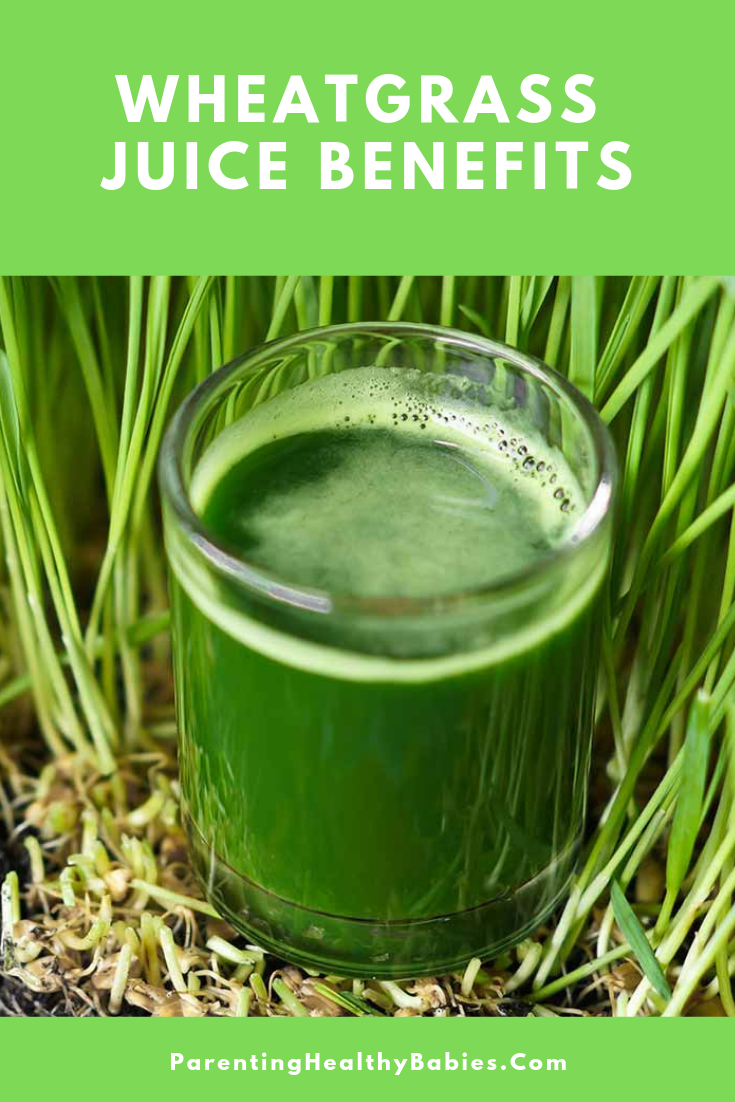
Before we dive into the benefits of wheatgrass for the skin, let’s first understand what it is. Wheatgrass refers to young grass from the common wheat plant (Triticum aestivum). It can be consumed either as juice or in powdered form.
Wheatgrass is rich in various vitamins, minerals, enzymes, amino acids, chlorophyll, and antioxidants. These components contribute to its potential therapeutic properties for overall health and wellbeing.
Antioxidant Powerhouse
One key reason why wheatgrass may benefit skin health is its impressive antioxidant content. Antioxidants help combat oxidative stress caused by free radicals in the body. When left unchecked, oxidative stress can contribute to premature aging and damage to the skin cells.
Dr. Sarah Thompson explains: “The antioxidants found in wheatgrass may play a role in protecting against UV-induced damage by neutralizing harmful free radicals.” This suggests that including wheatgrass in your diet might provide an extra layer of defense against sun damage.
Promoting Skin Healing
Another way that wheatgrass may positively affect the skin is through its potential wound-healing properties. Some studies have demonstrated that topical application of certain compounds found in wheatgrass can enhance wound healing by stimulating collagen synthesis and promoting tissue repair.
Lisa Johnson emphasizes: “While more research is needed to fully understand how these compounds work synergistically with other factors involved in wound healing processes within our bodies’ intricate systems—it certainly appears that wheatgrass may have potential as a natural aid in skin repair and regeneration.”
Reducing Inflammation
Inflammation is a common underlying cause of various skin issues, such as acne, eczema, and psoriasis. The anti-inflammatory properties of wheatgrass have been studied extensively.
Mark Roberts explains: “Wheatgrass contains chlorophyll, which has been shown to possess anti-inflammatory effects.” By reducing inflammation within the body, wheatgrass might help alleviate some symptoms associated with inflammatory skin conditions.
Detoxification and Skin Cleansing
Our skin is constantly exposed to environmental toxins and pollutants that can accumulate over time. Detoxification plays a crucial role in maintaining healthy-looking skin. Wheatgrass is known for its detoxifying properties due to its high chlorophyll content.
Dr. Sarah Thompson states: “Chlorophyll acts as a natural cleanser by aiding liver function and eliminating toxins from the body.” By supporting the body’s detoxification process, wheatgrass could potentially contribute to clearer and more radiant-looking skin.
Hydration Boost
Proper hydration is essential for maintaining healthy skin. Dehydrated or dry skin can appear dull, flaky, or even lead to premature aging. Wheatgrass juice contains high water content along with other beneficial nutrients that may help hydrate the body from within.
Lisa Johnson highlights: “By including wheatgrass juice in your diet regularly, you are providing your body with an additional source of hydration—keeping your skin plump and moisturized.”
Potential Side Effects
While incorporating wheatgrass into our diets may offer potential benefits for our overall health and skincare routine, it’s important to consider any potential side effects or precautions.
Some individuals may experience nausea or stomach discomfort when consuming wheatgrass juice on an empty stomach due to its potent detoxifying effects. It’s advisable to start with small amounts initially if you’re new to consuming wheatgrass.
Additionally, those who are allergic to wheat or gluten should exercise caution, as wheatgrass is derived from the wheat plant and may contain traces of gluten. It’s always best to consult with a healthcare professional before making any significant dietary changes.
Conclusion
In conclusion, wheatgrass appears to offer several potential benefits for skin health due to its antioxidant properties, wound-healing potential, anti-inflammatory effects, detoxification support, and hydration boost. However, it’s important to remember that individual results may vary.
As with any dietary change or skincare regimen adjustment, consistency and patience are key. If you’re considering incorporating wheatgrass into your routine for improved skin health, it’s advisable to start gradually and monitor how your body responds.
Remember that maintaining a balanced diet rich in whole foods along with proper skincare practices will contribute significantly to overall skin health. Consultation with healthcare professionals such as dermatologists or nutritionists can provide personalized guidance based on individual needs and concerns.
We hope this panel discussion has shed light on the potential benefits of wheatgrass for skin health. As always, we encourage you to gather more information and make informed decisions about what works best for you and your unique circumstances.

Leave a Reply