Gluten-Free Meal Planning on a Budget: Eating Healthy Without Breaking the Bank
Eating gluten-free is not just a dietary trend; for many people, it is a necessity due to celiac disease or gluten sensitivity. However, following a gluten-free diet can sometimes come with the misconception that it is expensive and unattainable on a budget. The truth is, with some careful planning and smart shopping strategies, you can enjoy delicious gluten-free meals without breaking the bank. In this article, we will explore some practical tips for gluten-free meal planning on a budget.
1. Embrace Whole Foods
One of the first steps to eating gluten-free on a budget is to focus on whole foods. Fresh fruits and vegetables, lean proteins such as chicken or fish, legumes, nuts, and seeds are all naturally gluten-free options that are often more affordable than processed or packaged foods specifically labeled as “gluten-free.” By building your meals around these wholesome ingredients, you’ll save money while nourishing your body.
2. Cook from Scratch
Preparing meals from scratch not only gives you control over what goes into your food but also helps you save money. Gluten-free convenience products like breads or pastas tend to be pricier compared to their traditional counterparts because of the additional processing involved in removing gluten. Instead of relying heavily on pre-packaged items, try making your own bread using alternative flours like rice flour or almond flour—there are plenty of simple recipes available online! Additionally, cooking at home allows you to batch cook and freeze leftovers for future fuss-free meals.
3. Plan Your Meals Ahead
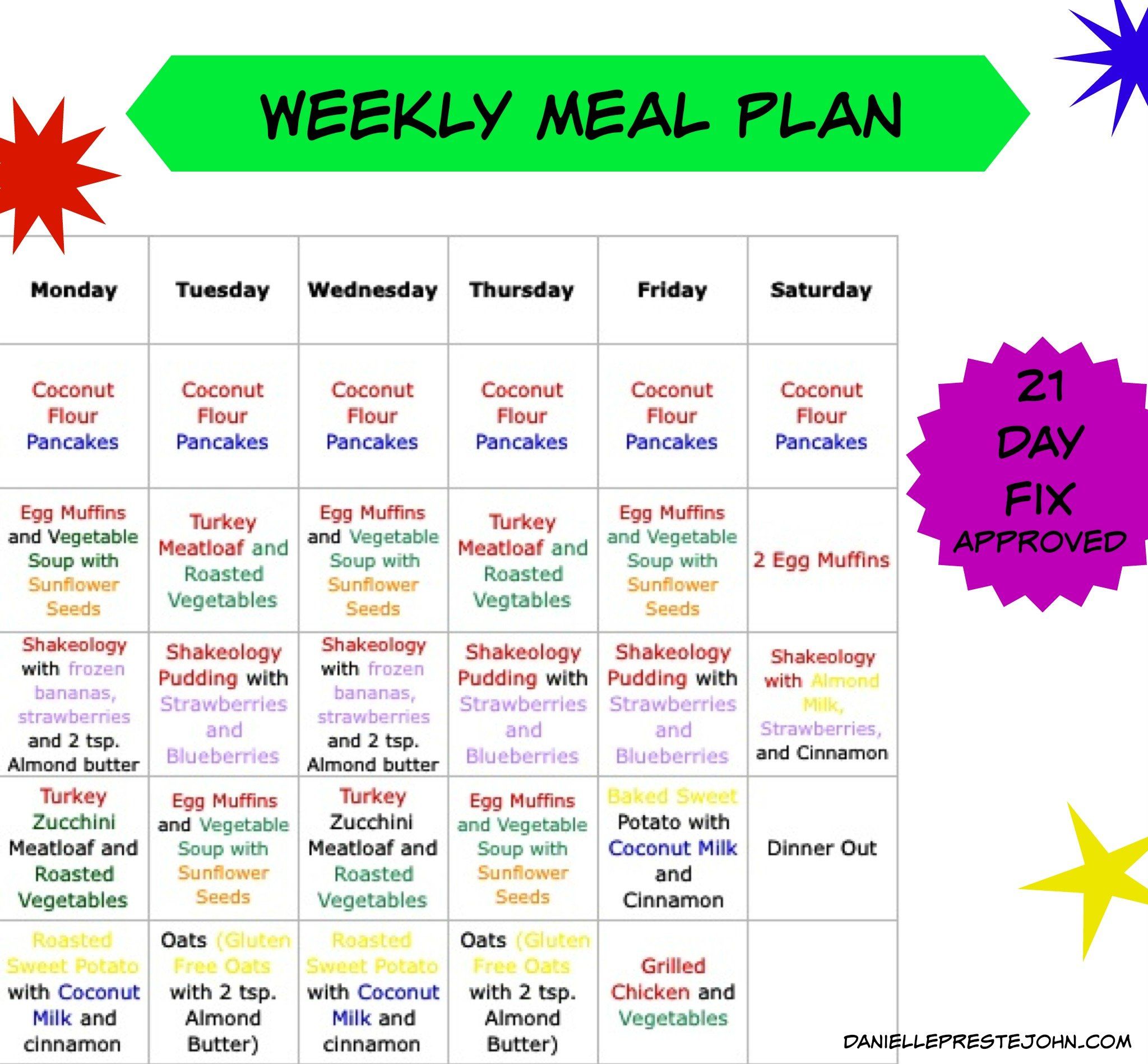
Meal planning plays an essential role in saving both time and money when following any type of diet—and going gluten-free is no exception! Taking some time each week to plan out your meals will help prevent impulse purchases and minimize wastage. Start by creating a weekly menu incorporating ingredients that are already in your pantry or freezer. Next, make a grocery list based on your menu and stick to it while shopping. By having a plan in place, you avoid buying unnecessary items and reduce the risk of impulse purchases that can quickly inflate your grocery bill.
4. Shop Sales and Discounts
Being mindful of sales and discounts is crucial when trying to eat gluten-free on a budget. Keep an eye out for promotions at your local grocery stores or sign up for loyalty programs to receive exclusive deals. Additionally, consider purchasing non-perishable gluten-free staples in bulk from warehouse clubs or online retailers offering discounted prices. Items like rice, quinoa, oats (labeled gluten-free), and dried beans are great options to stock up on when they are on sale.
5. Explore Alternative Grains
Gluten-free grains like rice, cornmeal, quinoa, millet, buckwheat, sorghum, and amaranth are not only nutritious but also tend to be more affordable than specialty gluten-free products made with alternative flours. These grains can be used as versatile substitutes for wheat-based ingredients in various recipes such as casseroles or stir-fries. Experimenting with different flavors and textures will not only diversify your diet but also keep things interesting without breaking the bank.
6. Utilize Frozen Produce
While fresh produce is undoubtedly fantastic, it’s no secret that it can sometimes be costly—especially if certain fruits or vegetables are out of season. In these situations, frozen produce becomes an excellent alternative that maintains both taste and nutritional value while being more budget-friendly. Stocking up on frozen fruits and vegetables allows you to have a variety of options readily available whenever you need them without worrying about spoilage.
7. Join Community Supported Agriculture (CSA) Programs
If you enjoy incorporating seasonal produce into your meals but find farmers’ markets too expensive or inaccessible due to distance restrictions, consider joining a Community Supported Agriculture (CSA) program. CSA programs offer weekly or monthly deliveries of fresh, locally grown produce at a reasonable price. Not only will you receive a variety of in-season fruits and vegetables, but you’ll also support local farmers while eating healthy on a budget.
8. Don’t Neglect Leftovers
Leftovers are often overlooked, but they can be an excellent resource for creating new meals without spending extra money. Get creative by repurposing yesterday’s chicken into a flavorful salad or using leftover cooked rice as the base for a stir-fry dish. Transforming leftovers not only saves time but also helps minimize food waste—a win-win situation for both your wallet and the environment.
Eating gluten-free on a budget is entirely possible with some planning and smart choices. By focusing on whole foods, cooking from scratch, meal planning ahead, shopping strategically, exploring alternative grains, utilizing frozen produce when needed, joining CSA programs if available, and making the most of leftovers—you can enjoy delicious gluten-free meals without straining your finances. Remember that with creativity and determination, eating well doesn’t have to break the bank!

Leave a Reply