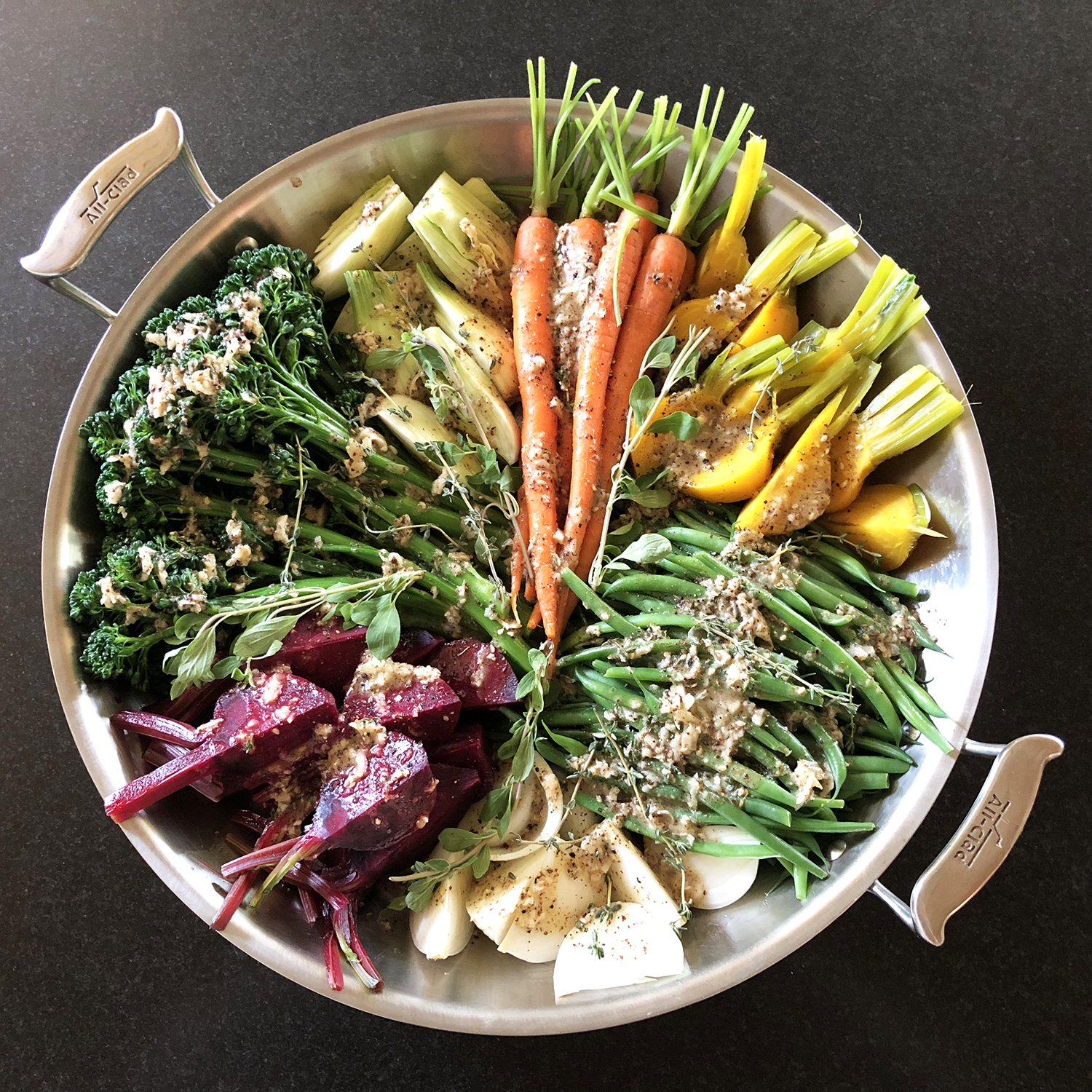
As the seasons change, so do our cravings for different types of food. One way to embrace the flavors and nutrients of each season is by incorporating seasonal vegetables into our meals. Not only are these vegetables more abundant and fresher during their respective seasons, but they also provide a variety of health benefits. In this article, we will explore some delicious and nutritious seasonal vegetables that you can enjoy throughout the year.
1. Spring Vegetables:
Spring brings a burst of fresh produce after a long winter. Asparagus is one such vegetable that shines during this time. Packed with fiber, folate, vitamins A, C, E, and K, asparagus offers numerous health benefits like improved digestion and reduced inflammation.
Another spring favorite is artichokes. These unique veggies contain antioxidants that help protect against heart disease and cancer while promoting healthy digestion. Plus, they are low in calories making them an excellent addition to any weight management plan.
2. Summer Vegetables:
Summer is synonymous with vibrant colors and bountiful harvests. Tomatoes steal the show during this season with their juicy texture and bright flavor profiles. Rich in lycopene—a powerful antioxidant—tomatoes have been linked to reducing the risk of chronic diseases like cancer and heart disease.
Zucchini is another summer gem that deserves attention on your plate. Low in calories but high in essential nutrients like vitamin C and potassium, zucchini promotes healthy digestion while supporting weight loss efforts due to its high water content.
3. Fall Vegetables:
With autumn comes a whole new array of hearty vegetables perfect for comforting meals as the weather cools down. Butternut squash takes center stage during fall due to its sweet taste and versatility in cooking methods—from soups to roasted side dishes or even desserts! It’s rich in beta-carotene which supports eye health while providing immune-boosting properties.
Brussels sprouts are another fall favorite known for their unique flavor profile. High in fiber and vitamin C, they offer a host of health benefits including improved digestion, reduced inflammation, and strengthened immune function.
4. Winter Vegetables:
Winter calls for vegetables that can withstand the cold temperatures while still providing essential nutrients. Root vegetables like carrots are a perfect fit for this season. Packed with beta-carotene, carrots support healthy vision and promote glowing skin.
Kale is another winter superhero that deserves a spot on your plate throughout the colder months. This leafy green powerhouse is loaded with vitamins A, C, and K as well as minerals like calcium and iron. It supports heart health, boosts immunity, and may even have anti-cancer properties.
5. All-Year-Round Vegetables:
Some vegetables are available year-round but still deserve recognition for their nutritional value and versatility in cooking. Spinach is one such vegetable that can be enjoyed in salads or cooked dishes all year long. It’s rich in iron which promotes healthy blood circulation while also providing other essential vitamins and minerals.
Another vegetable worth mentioning is bell peppers due to their vibrant colors and crunchy texture. They are packed with antioxidants like vitamin C which helps strengthen the immune system while also promoting collagen production for healthy skin.
Incorporating seasonal vegetables into your diet not only ensures you’re consuming fresh produce but also allows you to enjoy a wide range of flavors throughout the year. Whether it’s spring asparagus or winter kale, each season brings its unique offerings to enhance your meals’ taste and nutritional value.
To make the most out of these seasonal veggies:
1) Shop at local farmers markets or join community-supported agriculture (CSA) programs to get access to fresher produce.
2) Experiment with different cooking methods such as roasting, sautéing, steaming, or eating them raw in salads.
3) Consider preserving surplus seasonal produce through freezing or canning techniques so that you can enjoy them when they’re out of season.
Remember, a colorful plate filled with seasonal vegetables not only adds variety to your meals but also ensures you’re getting the necessary nutrients for optimal health. So, embrace the flavors of each season and embark on a journey through nature’s bounty!

Leave a Reply