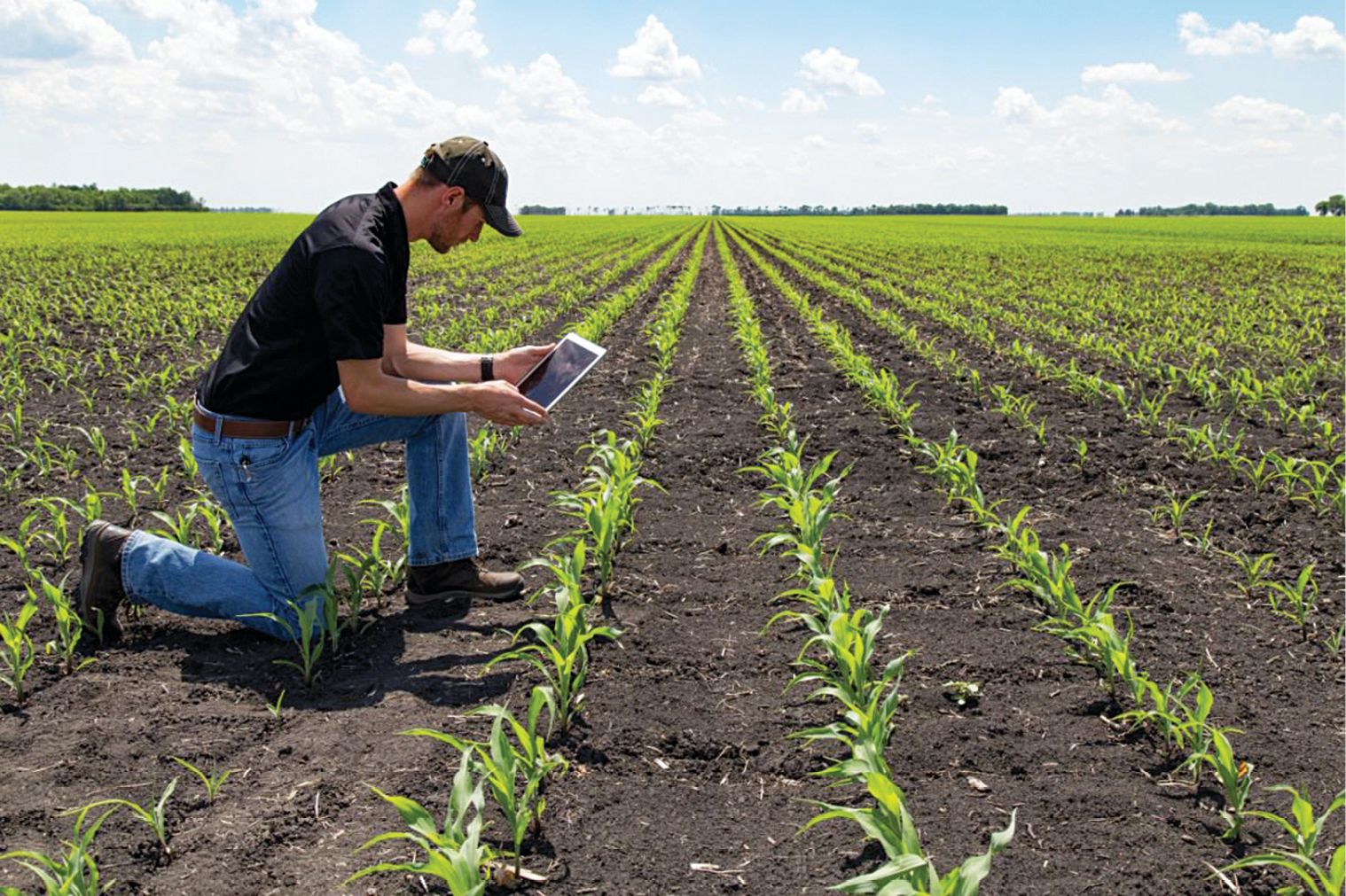
Sustainable farming practices have become increasingly important in recent years as we strive to protect our environment and promote healthier food choices. By implementing sustainable techniques, farmers can reduce their impact on the land, conserve resources, and create a more resilient agricultural system. In this post, we will explore some of the key sustainable farming practices that are gaining popularity worldwide.
1. Organic Farming:
Organic farming is perhaps one of the most well-known sustainable practices. It involves growing crops without synthetic fertilizers or pesticides and raising livestock without antibiotics or growth hormones. Organic farmers focus on soil health through the use of compost, cover crops, and crop rotation to maintain fertility naturally. This method not only protects human health by reducing exposure to harmful chemicals but also promotes biodiversity by supporting beneficial insects, birds, and other wildlife.
2. Conservation Tillage:
Traditional tillage methods involve turning over the soil multiple times using heavy machinery before planting crops. However, conservation tillage minimizes soil disturbance by leaving crop residues on the surface or tilling them into the top layer rather than plowing them under completely. This practice helps prevent erosion and retains moisture in the soil while increasing organic matter content. Conservation tillage reduces fuel consumption and greenhouse gas emissions associated with conventional plowing methods.
3. Agroforestry:
Agroforestry combines agriculture with forestry principles to create integrated systems that benefit both humans and nature. Farmers plant trees alongside traditional crops or raise animals within forests to maximize available resources sustainably. Trees provide shade for livestock, improve soil structure through their root systems, offer windbreaks that prevent erosion, sequester carbon dioxide from the atmosphere, and produce fruits or nuts for additional income streams.
4. Permaculture:
Permaculture is an approach based on designing agricultural systems that mimic natural ecosystems’ interconnections and resilience while optimizing resource utilization efficiently. It integrates various techniques such as companion planting (where different plants support each other’s growth), water harvesting, composting, and using beneficial insects to control pests. Permaculture systems aim to create closed-loop cycles that minimize waste and maximize productivity in a sustainable manner.
5. Precision Farming:
Precision farming utilizes modern technology such as GPS navigation systems, sensors, and data analytics to optimize resource use on farms. By precisely mapping fields’ characteristics like soil fertility or moisture levels, farmers can apply fertilizers or water only where needed, minimizing waste and reducing environmental impact. Additionally, monitoring tools help identify disease outbreaks early on so that targeted interventions can be implemented instead of blanket treatments.
6. Aquaponics:
Aquaponics is an innovative farming technique that combines aquaculture (fish farming) with hydroponics (growing plants in water without soil). In this system, fish are raised in tanks while their nutrient-rich wastewater is used as fertilizer for growing plants in a separate hydroponic bed. The plants then filter the water before it returns to the fish tank. This symbiotic relationship reduces the need for synthetic fertilizers and conserves water compared to traditional agriculture methods.
7. Crop Diversification:
Crop diversification involves growing a variety of crops rather than relying heavily on a single type. This practice helps break pest cycles by reducing the concentration of hosts for specific pests or diseases while also improving soil health through diverse root structures and nutrient requirements. Growing different crops also ensures farmers have multiple income streams while promoting biodiversity within farmland.
8. Integrated Pest Management (IPM):
Integrated Pest Management is an approach focused on minimizing pesticide use by integrating various pest control techniques effectively. IPM includes practices like crop rotation, biological control (using natural enemies of pests), trapping pests with pheromones or sticky traps, and monitoring systems to detect pest populations early on before they reach damaging levels.
9.Sustainable Livestock Practices:
Sustainable livestock practices include providing animals with ample space for movement and access to pasture, reducing the use of antibiotics, and implementing rotational grazing methods. These practices promote animal welfare while also minimizing environmental impacts such as soil erosion and water pollution.
10. Cover Cropping:
Cover cropping involves planting specific crops during fallow periods or alongside cash crops to cover the soil surface. These cover crops help prevent soil erosion, improve moisture retention, suppress weed growth, and provide organic matter when incorporated into the soil. Different cover crop species can be selected based on their specific benefits to address farm-specific challenges.
In conclusion, sustainable farming practices offer a way forward in creating a more environmentally friendly and resilient agricultural system. With increased awareness about the importance of protecting our planet’s resources and promoting healthy eating habits, these practices are gaining popularity worldwide among farmers and consumers alike. By adopting techniques such as organic farming, conservation tillage, agroforestry, permaculture, precision farming, aquaponics, crop diversification, integrated pest management (IPM), sustainable livestock practices like rotational grazing or providing ample space for animals to move freely along with using cover cropping methods; we can contribute towards building a more sustainable future for generations to come.
Remember that supporting local farmers who employ these sustainable techniques is an excellent way to make a positive impact on both your health and the environment!

Leave a Reply