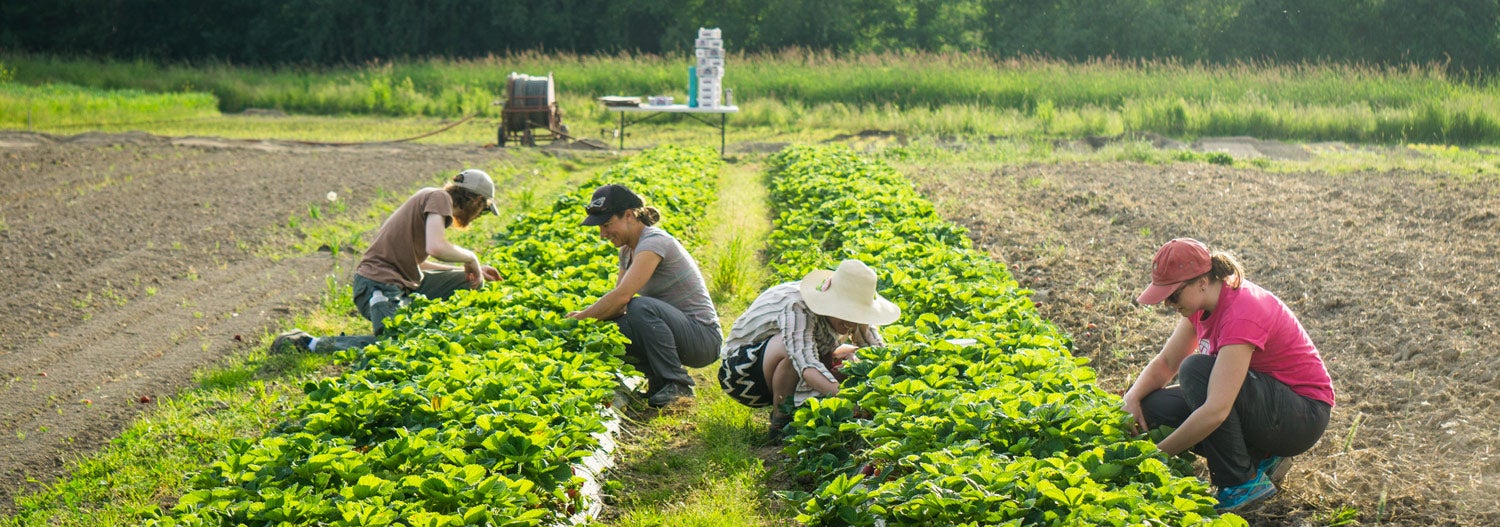
Sustainable farming practices play a crucial role in promoting a healthy and balanced ecosystem while supporting the production of nutritious food. These practices aim to minimize negative environmental impacts, conserve resources, and prioritize the well-being of animals and plants. By adopting sustainable farming techniques, we can ensure that future generations will have access to safe and nutrient-dense food.
One important aspect of sustainable farming is soil management. Healthy soils are essential for plant growth and productivity. Farmers can enhance soil fertility by practicing techniques like crop rotation, cover cropping, and composting. Crop rotation involves systematically alternating crops on a field over time to break pest cycles and improve soil health. Cover cropping involves planting specific crops during non-growing seasons to protect the soil from erosion, increase organic matter content, and suppress weeds. Composting allows farmers to recycle organic waste into nutrient-rich humus that replenishes the soil with essential nutrients.
Another vital practice is water conservation. Irrigation systems that use water efficiently help reduce waste while ensuring optimal plant growth. Techniques such as drip irrigation or precision sprinklers deliver water directly to the roots of plants instead of spraying it across large areas unnecessarily. Moreover, capturing rainwater through rain barrels or utilizing natural catchment areas helps supplement irrigation needs without relying solely on freshwater sources.
Furthermore, sustainable farmers aim to minimize synthetic inputs like pesticides and fertilizers by employing integrated pest management strategies (IPM). IPM involves combining various methods such as biological control (using beneficial insects), cultural practices (managing crop rotations), and mechanical controls (using physical barriers) to manage pests effectively while minimizing chemical use. Similarly, organic fertilizers such as compost or manure can replace synthetic fertilizers, reducing pollution risks associated with nitrogen runoff into water bodies.
Livestock management also plays a significant role in sustainable farming practices. Raising animals in confined spaces has adverse effects on their welfare and contributes significantly to greenhouse gas emissions through methane production. Sustainable livestock management promotes free-range or pasture-based systems that allow animals to graze and forage naturally. This approach not only improves animal welfare but also minimizes environmental impacts.
Lastly, sustainable farming practices prioritize biodiversity conservation. Preserving natural habitats within or nearby farms helps support pollinators like bees and butterflies, which are crucial for crop production. Implementing agroforestry techniques by integrating trees with crops can provide shade, improve soil quality, and create habitats for beneficial insects and birds.
In conclusion, sustainable farming practices focus on holistic approaches that balance environmental health, economic viability, and social well-being. By adopting these practices, farmers can promote healthy ecosystems while ensuring a steady supply of safe and nutritious food. Consumers also play an essential role by supporting local farmers who embrace sustainability as a core principle in their operations. Together, we can contribute to a healthier planet and a more sustainable future for generations to come.

Leave a Reply