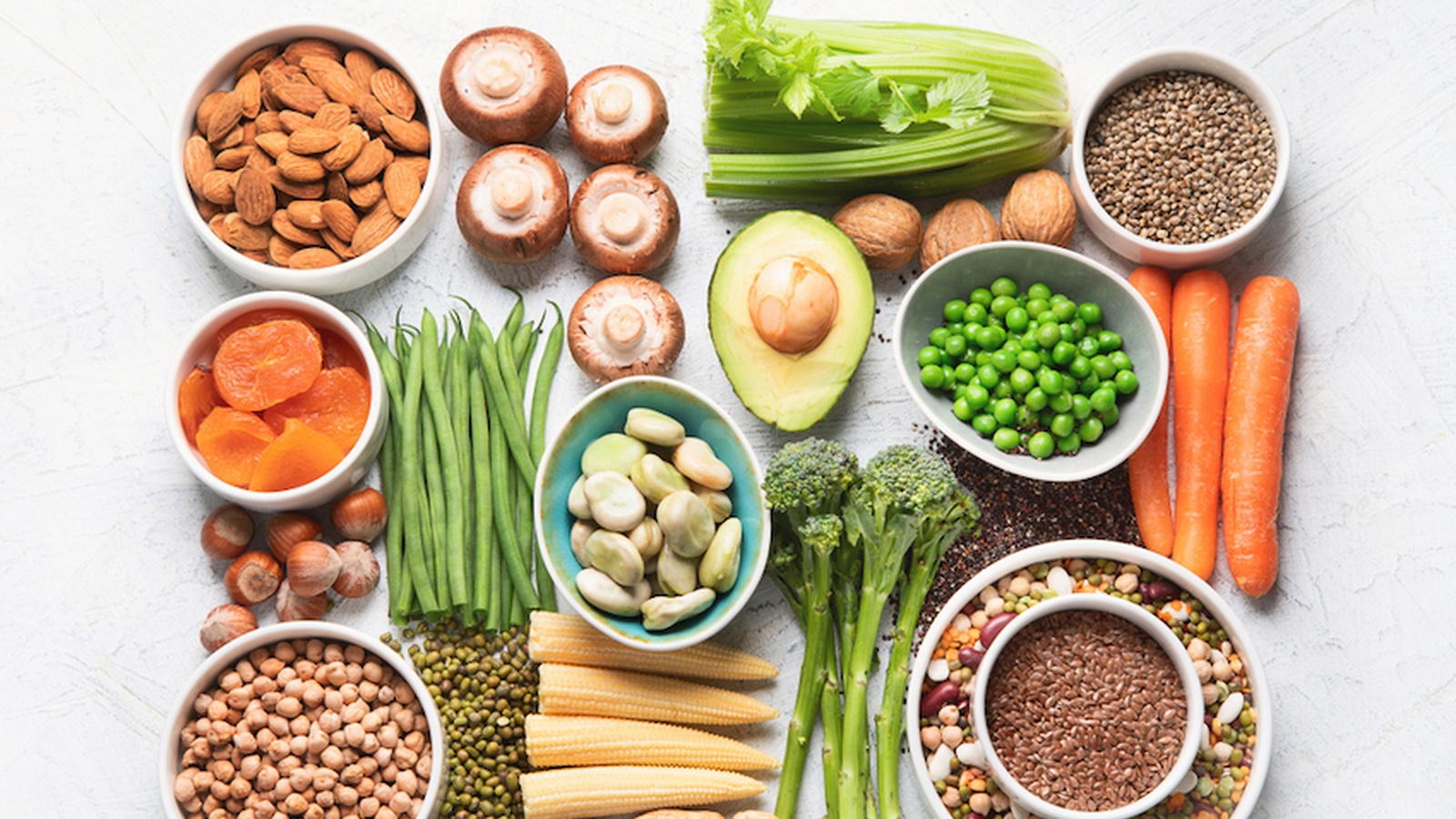
Protein is an essential nutrient for our bodies as it plays a crucial role in building and repairing tissues, producing enzymes and hormones, and supporting overall growth and development. However, many high-quality protein sources can be quite expensive, making it challenging for individuals on a budget to meet their protein needs. Fortunately, there are several affordable alternatives to expensive proteins that can provide the necessary nutrients without breaking the bank. In this article, we will explore some of these options.
1. Beans and Legumes:
Beans and legumes are not only inexpensive but also packed with protein. They are an excellent source of plant-based protein that is low in fat and cholesterol-free. Some popular options include black beans, lentils, chickpeas (garbanzo beans), kidney beans, and pinto beans.
For example, one cup of cooked black beans contains about 15 grams of protein – nearly equal to the amount found in three ounces of chicken breast! Additionally, legumes provide dietary fiber which aids digestion and helps you feel fuller for longer periods.
2. Eggs:
Eggs have long been hailed as a complete protein source due to their amino acid profile containing all nine essential amino acids required by the body. Not only are eggs a versatile ingredient that can be used in various dishes from breakfast scrambles to omelets or even baking recipes like cakes or muffins but they are also incredibly affordable.
To put things into perspective; six large eggs typically cost less than buying an equivalent amount of chicken breasts or beef steak while providing around 42 grams of high-quality protein!
3. Greek Yogurt:
Greek yogurt is renowned for its creamy texture and tangy flavor while being rich in protein content compared to regular yogurt varieties available in stores.
A single serving (6 ounces) typically provides anywhere between 15-20 grams of quality protein depending on the brand you choose – making it a great snack option or base for smoothies without draining your wallet.
4. Cottage Cheese:
Cottage cheese is another dairy-based protein source that offers a bang for your buck. It’s high in casein protein, which is slowly digested by the body and helps promote muscle growth and repair.
A half-cup serving of cottage cheese contains around 14 grams of protein while being low in calories and carbohydrates, making it an excellent choice for those watching their waistline as well.
5. Canned Tuna or Salmon:
Canned tuna or salmon are affordable options that provide ample amounts of protein along with heart-healthy omega-3 fatty acids. These pantry staples can be used to make sandwiches, salads, or even pasta dishes.
Three ounces of canned tuna typically contain around 20 grams of protein while canned salmon provides approximately 17 grams. Opting for water-packed varieties rather than oil-packed ones ensures you get more nutrients without unnecessary added fats.
6. Quinoa:
Quinoa has gained popularity over recent years due to its versatility and exceptional nutritional profile. While often classified as a grain, quinoa is technically a seed that boasts all nine essential amino acids – making it a complete plant-based protein source!
Pound-for-pound comparison against meat products may make quinoa appear expensive at first glance; however, considering its higher nutrient density per serving size (protein, fiber, vitamins), it becomes an economical choice overall.
7. Seitan:
Seitan is derived from wheat gluten and has been used for centuries in various Asian cuisines as a meat substitute due to its chewy texture and ability to mimic the taste and appearance of meat when cooked properly.
While seitan might not be ideal for individuals with celiac disease or gluten intolerance, it serves as an affordable plant-based alternative providing roughly 25 grams of protein per three-ounce serving – comparable to chicken breast but at a fraction of the cost!
8. Peanut Butter:
Peanut butter is not only delicious but also a budget-friendly protein option. It contains roughly 8 grams of protein per two tablespoons, making it a convenient and affordable snack.
Pair peanut butter with whole-grain bread or add it to smoothies for an extra protein boost without spending too much money.
9. Hemp Seeds:
Hemp seeds are tiny powerhouses packed with nutrients, including all essential amino acids. They offer approximately 10 grams of protein per three-tablespoon serving size while providing beneficial omega-3 fatty acids and fiber.
Sprinkle hemp seeds onto salads, yogurt bowls, or blend them into smoothies to increase your daily protein intake without breaking the bank.
10. Lentils:
Lentils are not only versatile but also incredibly affordable. They come in various colors (green, brown, red) and can be used in soups, stews, curries, or even as a meat substitute in burgers or tacos.
A cup of cooked lentils provides around 18 grams of protein along with dietary fiber – making them an excellent choice for individuals seeking both affordability and nutritional value.
In conclusion, meeting your protein requirements doesn’t have to drain your wallet. By incorporating these affordable alternatives into your diet such as beans and legumes, eggs, Greek yogurt, cottage cheese, canned tuna or salmon, quinoa seitan peanut butter hemp seeds lentils you can enjoy the benefits of high-quality proteins while being mindful of your budget. Remember that variety is key when it comes to nutrition; therefore aim to incorporate different sources throughout the week for optimal health benefits at an affordable price point!

Leave a Reply