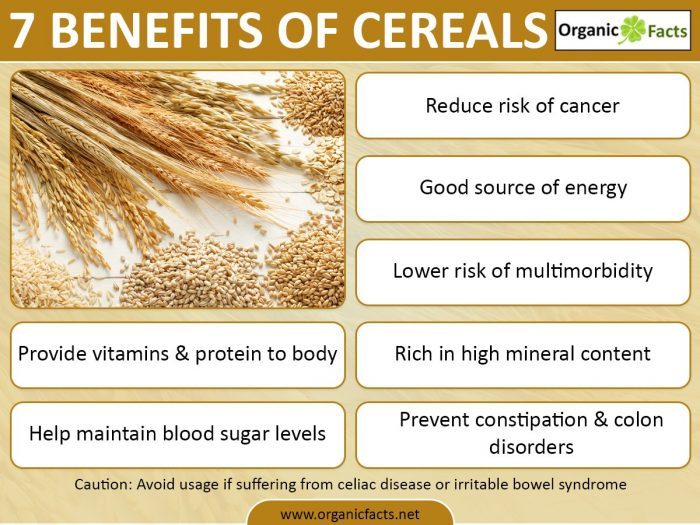
Bran cereals have gained popularity in recent years due to their numerous health benefits. Made from the outer layer of cereal grains, bran is packed with essential nutrients and dietary fiber that can support a healthy digestive system, aid in weight management, and contribute to overall well-being. In this Q&A style post, we will explore some common questions about bran cereals and why they are considered a great addition to a balanced diet.
Q: What exactly is bran?
A: Bran is the hard outer layer of cereal grains such as wheat, oats, rice, and corn. It contains high levels of dietary fiber along with vitamins, minerals, antioxidants, and phytochemicals.
Q: Why should I include bran cereals in my diet?
A: Bran cereals offer several health benefits. Firstly, they are an excellent source of dietary fiber which aids digestion by promoting regular bowel movements. Consuming enough fiber can help prevent constipation and promote a healthy gut microbiome.
Secondly, bran cereals can assist with weight management. The high fiber content makes you feel full for longer periods while also reducing calorie intake by displacing higher-calorie foods from your diet. Additionally, soluble fibers found in bran may help regulate blood sugar levels by slowing down the absorption of glucose into the bloodstream.
Moreover, bran cereals are often fortified with essential vitamins and minerals like iron and B vitamins that contribute to maintaining optimal bodily functions.
Q: Are all types of bran equally nutritious?
A: While all types of bran contain significant amounts of insoluble fiber (which adds bulk to the stool), different grains have varying nutrient profiles. Wheat bran is particularly rich in insoluble fiber but also provides important minerals like magnesium and zinc. Oat bran contains more soluble fiber than other brans along with beta-glucan—a type of soluble fiber known for its heart-healthy properties.
Ultimately it’s beneficial to incorporate a variety of brans into your diet to reap the full range of nutrients they offer. You can try bran cereals made from different grains or even mix different types together for added nutritional diversity.
Q: How should I include bran cereals in my daily meals?
A: There are several ways to incorporate bran cereals into your diet. The simplest method is to enjoy them as a breakfast cereal with milk or yogurt. You can also sprinkle them over oatmeal, smoothies, or use them as an ingredient in baking recipes such as muffins, bread, or granola bars.
Q: Are there any potential downsides to consuming bran cereals?
A: While bran cereals have numerous health benefits, it’s important to note that consuming excessive amounts of fiber without adequate hydration may cause digestive discomfort such as bloating and gas. It’s recommended to gradually increase your fiber intake while ensuring you drink enough water throughout the day.
Additionally, some individuals may have food sensitivities or allergies to specific grain brans. If you experience any adverse reactions after consuming a particular type of bran cereal, it’s best to consult with a healthcare professional.
In conclusion, incorporating bran cereals into your diet is an excellent way to boost your intake of dietary fiber and essential nutrients. They promote healthy digestion and weight management while providing additional vitamins and minerals. Remember to choose a variety of brans for optimal nutrition and be mindful of proper hydration when increasing your fiber intake. Enjoy experimenting with different ways to include these nutritious grains into your daily meals!

Leave a Reply