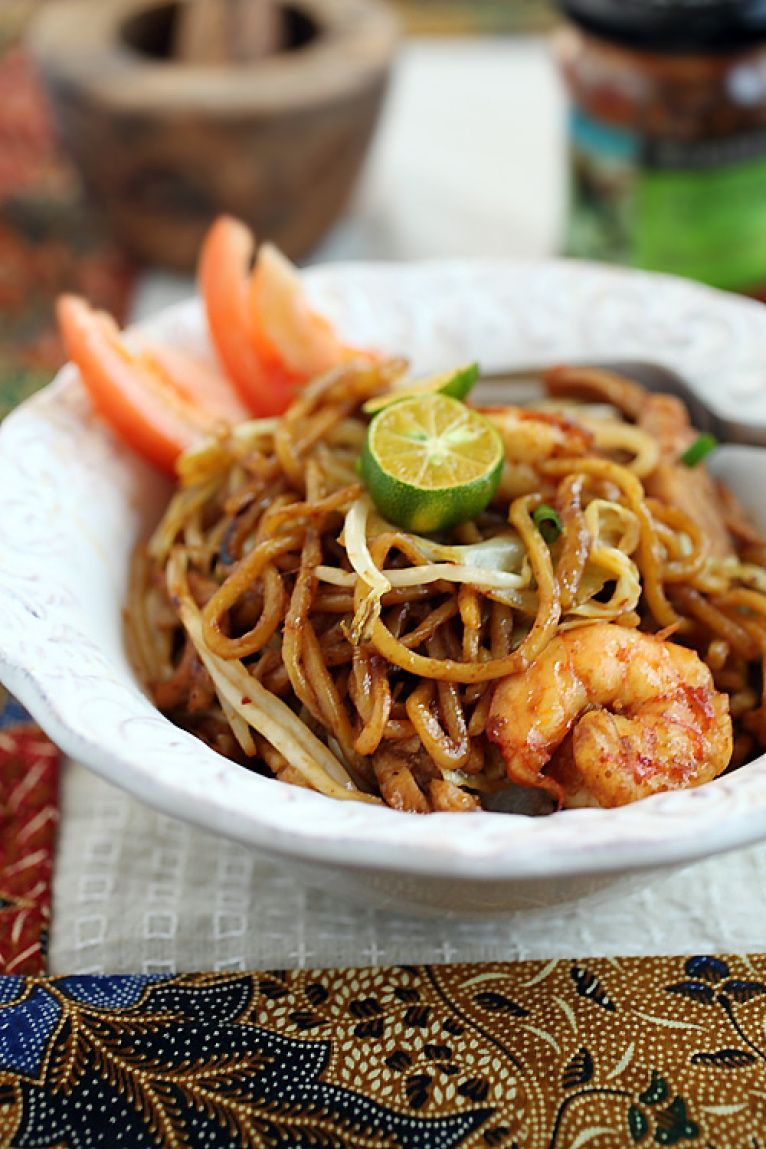
Welcome to our panel discussion about Mie, a traditional Japanese noodle dish that is not only delicious but also offers several health benefits. Today, we have gathered experts in the field of nutrition and Japanese cuisine to discuss the various aspects of Mie and how it can contribute to a healthy eating lifestyle. Let’s dive right into it!
Firstly, let’s talk about the main ingredient in Mie: noodles made from wheat flour or buckwheat flour. These noodles are low in fat and contain essential nutrients like fiber, protein, iron, and B vitamins. They provide sustained energy release and help maintain stable blood sugar levels.
Dr. Kimiko Tanaka, a nutritionist specializing in Japanese cuisine, explains that Mie offers a balanced combination of carbohydrates from the noodles with proteins from toppings such as tofu, chicken, fish or tempura. This makes it an excellent option for individuals looking to fuel their bodies before or after physical activities.
Another important aspect of Mie is its versatility when it comes to ingredients. It can be customized according to personal preferences and dietary needs. Vegetarians can opt for vegetable-based broths or soy-based proteins like tofu as a topping. Seafood lovers may choose sushi-grade fish or seafood-based broth for added omega-3 fatty acids.
Mie is typically served with broth that is rich in umami flavors derived from dashi stock – a blend of dried bonito flakes (fish) and kelp seaweed simmered together – which enhances taste without adding excessive calories or sodium content.
Speaking of sodium content, Chef Hiroshi Nakamura advocates for using reduced-sodium soy sauce options when preparing Mie at home since traditional soy sauce tends to be high in salt content. Additionally, he suggests incorporating more vegetables into the dish like thinly sliced carrots, mushrooms or bok choy for added nutritional value.
Lastly but importantly, portion control plays a key role when enjoying any meal including Mie. Registered Dietitian, Emily Suzuki, notes that it is essential to be mindful of portion sizes and avoid overeating, as Mie can be quite filling due to its high fiber content.
In conclusion, Mie is a healthy and satisfying dish that offers numerous benefits for those seeking a well-rounded meal option. With its balanced combination of nutrients and customizable ingredients, it can easily fit into various dietary preferences or restrictions. So why not give Mie a try? Incorporate this Japanese favorite into your weekly meal plan for a delicious and nutritious experience!

Leave a Reply