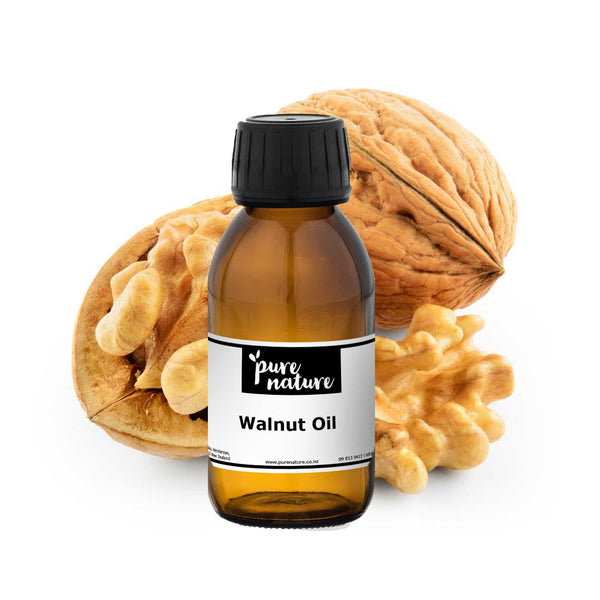
Walnut oil has a rich and nutty flavor that makes it a popular choice in both culinary and medicinal applications. This oil is extracted from the nuts of the walnut tree, which has been cultivated for thousands of years. It was first used by ancient Greeks and Romans for its nutritional benefits.
In terms of health benefits, walnut oil is known to be high in omega-3 fatty acids, which are essential for heart health. It also contains antioxidants such as vitamin E and polyphenols, which help protect cells from damage caused by free radicals. Additionally, walnut oil has anti-inflammatory properties that can promote healthy digestion and reduce the risk of chronic diseases.
When it comes to cooking, walnut oil is prized for its delicate flavor and low smoking point. It can be used in salad dressings, marinades, or drizzled over roasted vegetables to add a unique nuttiness to dishes.
Avocado oil is another healthy option that has gained popularity in recent years. Extracted from the flesh of ripe avocados, this oil is known for its high monounsaturated fat content – particularly oleic acid – which can help lower bad cholesterol levels and reduce inflammation in the body.
Rich in vitamins A, D, E, and K as well as potassium and antioxidants like lutein and zeaxanthin, avocado oil offers numerous health benefits beyond just lowering cholesterol levels. These nutrients support eye health, boost immune function, improve skin quality by promoting collagen production, aid nutrient absorption from other foods when consumed together with them (e.g., salads), among others.
In cooking applications where heat stability matters – such as frying or sautéing – avocado oil shines due to its high smoke point compared to many other oils. Its mild flavor allows it to be used interchangeably with other neutral-tasting oils without overpowering dishes’ natural flavors.
Moving on to pumpkin seed oil – this dark greenish-brown colored liquid is extracted from roasted pumpkin seeds and has a rich, nutty flavor. It is a favorite in Central European cuisine, particularly Austria, Hungary, and Slovenia.
Pumpkin seed oil is an excellent source of essential fatty acids, including omega-3 and omega-6. These healthy fats contribute to heart health, brain function, and inflammation reduction. Additionally, it contains high levels of antioxidants like vitamin E and carotenoids that support immune system function.
While its low smoke point limits its use for frying or sautéing at high temperatures, pumpkin seed oil shines as a finishing oil drizzled over soups or salads. Its unique flavor enhances the taste of dishes while adding a touch of elegance.
Safflower oil comes from the seeds of the safflower plant (Carthamus tinctorius) and has been used for centuries in traditional medicine practices due to its various health benefits. It is known for its high concentration of linoleic acid – an essential omega-6 fatty acid that supports heart health by reducing LDL cholesterol levels.
In addition to being heart-friendly, safflower oil also boasts anti-inflammatory properties that may help reduce symptoms associated with conditions like arthritis or asthma. Furthermore, it contains vitamin E – a powerful antioxidant that protects cells from oxidative stress caused by free radicals.
When it comes to cooking applications, safflower oil’s neutral flavor makes it incredibly versatile for both savory and sweet dishes alike. It can be used in baking recipes as a substitute for butter or other oils or employed in stir-fries due to its high smoke point.
Hazelnut oil is derived from pressed hazelnuts and offers a distinct nutty aroma with hints of sweetness. Historically popular in Mediterranean cuisine – especially Italian dishes – hazelnut oil has gained recognition worldwide not only for its culinary uses but also because of its potential health benefits.
This golden-hued liquid contains monounsaturated fats such as oleic acid and linoleic acid, which are beneficial for heart health. Furthermore, hazelnut oil is a good source of vitamin E – an antioxidant that supports skin health and protects the body from oxidative stress.
In cooking, hazelnut oil adds depth to dishes with its rich flavor profile. It pairs exceptionally well with chocolate desserts or can be used as a finishing touch on salads or roasted vegetables to elevate their taste.
Grape seed oil is extracted from the seeds of grapes – primarily those used in winemaking. This oil has gained popularity in recent years due to its light flavor, versatility, and potential health benefits.
One of the key advantages of grape seed oil lies in its high smoke point, making it suitable for high-heat cooking methods like frying or sautéing. Its mild taste allows it to blend seamlessly into various recipes without overpowering other flavors present.
From a nutritional standpoint, grape seed oil contains polyphenols – powerful antioxidants that help protect cells against damage caused by free radicals. Additionally, it is rich in vitamin E and omega-6 fatty acids that support cardiovascular health and promote healthy skin.
Flaxseed oil is derived from flaxseeds (Linum usitatissimum) through cold pressing techniques. This golden-colored liquid has been utilized for centuries due to its numerous medicinal properties attributed to its omega-3 fatty acid content (specifically alpha-linolenic acid).
Omega-3 fatty acids are renowned for their anti-inflammatory effects on the body while supporting brain function. Flaxseed oil also contains lignans – plant compounds known for their potential cancer-fighting properties.
While flaxseed oil should not be heated due to its low smoke point, it can be added as a topping or ingredient after cooking is complete. Its nutty flavor makes it an ideal complement to smoothies or salad dressings.
Hemp seed oil comes from the seeds of the Cannabis sativa plant, often confused with marijuana due to its association with the same species. However, hemp seed oil contains only trace amounts of THC (tetrahydrocannabinol) – the psychoactive compound found in marijuana.
This oil is known for its nutty flavor and green tint. It is rich in essential fatty acids, including omega-3 and omega-6, which are vital for brain health and reducing inflammation in the body. Hemp seed oil also provides an optimal ratio of omega-6 to omega-3 fatty acids.
Due to its low smoke point, it’s best to use hemp seed oil as a finishing touch on dishes or as a base for salad dressings or dips. Its distinct flavor can enhance the taste of foods while providing numerous nutritional benefits.
Macadamia nut oil is derived from macadamia nuts – native to Australia but now cultivated globally due to their popularity. This creamy golden liquid offers a mild buttery flavor that makes it highly sought after for culinary purposes.
Macadamia nut oil is rich in monounsaturated fats – particularly oleic acid – which support heart health by lowering bad cholesterol levels. It also contains vitamin E and antioxidants that protect cells against damage caused by free radicals.
With a high smoke point, macadamia nut oil can be used for various cooking methods such as frying or sautéing without compromising its nutritional properties or altering flavors significantly. Its smooth texture adds richness to baked goods or roasted vegetables when utilized appropriately.
Sesame oil has been used since ancient times across many cultures worldwide and holds great significance in Asian cuisine due to its distinctive aroma and flavor profile. Derived from sesame seeds (Sesamum indicum), this amber-colored liquid boasts several health benefits alongside its culinary applications.
Sesame oil contains healthy unsaturated fats like mono- and polyunsaturated fatty acids that promote heart health by reducing LDL cholesterol levels while increasing HDL cholesterol levels in the body. Additionally, it is rich in antioxidants, such as sesamol and sesaminol, which help combat oxidative stress.
In cooking, sesame oil is mainly used as a flavor enhancer due to its intense nutty taste. It adds depth to stir-fried dishes or can be drizzled over noodles or salads for an extra burst of flavor.
Pistachio oil is extracted from the nuts of Pistacia vera trees. Often overlooked compared to other nut oils, pistachio oil offers a distinctive and flavorful option that can enhance various culinary creations.
This vibrant green-hued liquid contains monounsaturated fats – particularly oleic acid – known for their potential benefits in reducing bad cholesterol levels and supporting heart health. Furthermore, pistachio oil provides essential vitamins like vitamin E and antioxidants that protect cells from damage caused by free radicals.
Due to its robust flavor profile reminiscent of roasted pistachios, this oil works best when added as a finishing touch on salads or desserts rather than being used for high-heat cooking methods.
Almond oil is derived from almonds (Prunus dulcis) through mechanical pressing techniques. This pale golden liquid has been utilized in both culinary and medicinal practices for centuries due to its unique properties.
When it comes to nutrition, almond oil contains monounsaturated fatty acids that can help reduce bad cholesterol levels while promoting cardiovascular health. It also boasts significant amounts of vitamin E – an antioxidant that supports skin health and boosts immune function.
In terms of culinary applications, almond oil’s delicate yet slightly sweet flavor makes it versatile in both savory and sweet recipes alike. From salad dressings to baking goods like cakes or cookies – almond oil adds richness without overpowering other ingredients’ flavors.
Rice bran oil is extracted from the outer layer of rice grains – specifically the husk known as bran. While commonly used in Asian cuisine for its mild taste, this versatile cooking medium offers numerous nutritional advantages too.
Rice bran oil contains a good balance of saturated, monounsaturated, and polyunsaturated fats that support heart health. Additionally, it is rich in vitamin E and antioxidants such as gamma-oryzanol – compounds known for their potential anti-inflammatory properties.
Its high smoke point allows rice bran oil to be used for various cooking methods like frying or stir-frying without significant nutrient loss or flavor alteration. It can also be employed as a substitute for other oils when baking.
Camelina oil, also known as wild flax or gold-of-pleasure, has been cultivated since ancient times due to its versatile applications in both culinary and medicinal practices. Extracted from seeds of the Camelina sativa plant, this golden-hued liquid offers unique nutritional benefits.
Rich in omega-3 fatty acids – specifically alpha-linolenic acid – camelina oil supports heart health by reducing bad cholesterol levels while promoting brain function and reducing inflammation within the body. Furthermore, it contains antioxidants like vitamin E that protect cells from oxidative stress.
In terms of cooking applications, camelina oil’s nutty flavor works well with roasted vegetables or drizzled over salads. Its low smoke point makes it less suitable for high-heat cooking methods but ideal as a finishing touch on various dishes.
Mustard seed oil comes from mustard seeds (Brassica juncea) through mechanical pressing techniques. This amber-colored liquid offers an intense flavor profile alongside numerous potential health benefits attributed to its unique composition.
Mustard seed oil contains allyl isothiocyanate – a compound responsible for its pungent taste and potential antimicrobial properties. Additionally, it provides essential fatty acids like oleic acid that promote heart health while having anti-inflammatory effects on the body.
However, it’s important to note that some countries restrict mustard seed oil consumption due to potentially harmful erucic acid levels present in certain varieties. Therefore, it is advisable to choose cold-pressed or refined versions of the oil that comply with local regulations.
Black cumin seed oil, also known as black seed oil or Nigella sativa oil, has been used for centuries in traditional medicine practices due to its potential health benefits. Extracted from seeds of the Nigella sativa plant, this amber-hued liquid offers a distinctive flavor alongside unique properties.
Black cumin seed oil contains thymoquinone – a compound with potential antioxidant and anti-inflammatory effects on the body. It also provides essential fatty acids like linoleic acid that support heart health and brain function.
In culinary applications, black cumin seed oil’s strong aroma and taste can be an acquired preference. However, it is often utilized in Middle Eastern cuisine as a finishing touch on dishes or drizzled over bread before baking.
Pomegranate seed oil is derived from the seeds of pomegranates (Punica granatum) through mechanical pressing techniques. This vibrant red-colored liquid boasts numerous potential health benefits attributed to its unique composition.
Rich in antioxidants such as punicalagins and ellagic acid, pomegranate seed oil helps protect cells against damage caused by free radicals while contributing to heart health through cholesterol reduction. Additionally, it contains omega-5 fatty acids that have shown promising results in reducing inflammation within the body.
Due to its intense fruity flavor profile, pomegranate seed oil works well as a finishing touch on salads or desserts. Its low smoke point limits its use for high-heat cooking methods but allows it to shine when used appropriately to enhance flavors.
Chia seed oil comes from chia seeds (Salvia hispanica) – small edible seeds native to Central America but now cultivated globally due to their nutritional value. This golden-hued liquid offers various potential health benefits alongside culinary uses.
Rich in omega-3 fatty acids – particularly alpha-linolenic acid – chia seed oil supports heart health while promoting brain function and reducing inflammation within the body. It also provides antioxidants like vitamin E that protect cells against oxidative stress.
In terms of cooking applications, chia seed oil works well as a finishing touch on salads or drizzled over grains due to its mild taste. Its low smoke point limits its use for high-heat cooking methods but allows it to shine when used appropriately in recipes.
Evening primrose oil is derived from the seeds of evening primrose (Oenothera biennis) – a flowering plant native to North America. This pale yellow liquid has been utilized for centuries due to its potential medicinal properties and unique composition.
Evening primrose oil contains gamma-linolenic acid (GLA) – an omega-6 fatty acid known for its anti-inflammatory effects on the body. Additionally, it provides essential nutrients like vitamin E that support skin health and hormonal balance.
While often taken as a supplement rather than used in culinary applications, evening primrose oil can be added to salad dressings or smoothies for additional nutritional benefits. However, it’s important to consult with a healthcare professional before incorporating it into your diet.
Borage seed oil comes from the seeds of borage plants (Borago officinalis) – an herbaceous flowering plant native to Europe but now cultivated worldwide. This golden-hued liquid offers various potential health benefits alongside culinary uses.
Rich in gamma-linolenic acid (GLA), borage seed oil supports heart health by reducing inflammation within the body while promoting healthy skin and hormone regulation. Furthermore, it contains vitamins such as vitamin C and minerals like calcium that contribute to overall well-being.
From a culinary standpoint, borage seed oil’s cucumber-like flavor makes it suitable for adding depth to salads or drizzling over grilled vegetables. Its low smoke point limits its use for high-heat cooking methods but allows it to shine when used appropriately.
In conclusion, the wide range of oils mentioned above offer unique flavors and potential health benefits that can enhance various culinary creations. From walnut oil’s nuttiness to avocado oil’s creaminess, each oil has its own distinct characteristics and uses. Whether you’re looking to support heart health, reduce inflammation, or add a touch of flavor to your dishes, these oils provide a nutritious and delicious option for healthy eating.

Leave a Reply