Antioxidants: Exploring the Health Benefits and Sources
In the realm of healthy eating, one term that often pops up is “antioxidants.” We hear about them in advertisements, see them listed on food labels, and are told they are essential for our well-being. But what exactly are antioxidants, and why are they so important? In this article, we will take a deep dive into antioxidants to understand their health benefits and explore various sources to incorporate into our diets.
👉 Check it out: Shop Organic Supplements on Amazon
To grasp the concept of antioxidants, we must first delve into oxidation. Our bodies naturally produce molecules called free radicals during normal metabolic processes. Free radicals can be beneficial at low levels as they help fight off pathogens. However, excessive production or exposure to external factors like pollution, smoking, or processed foods can lead to an imbalance between free radicals and antioxidants.
👉 Check it out: Shop Vitamin D3 on Amazon
This imbalance causes oxidative stress—an overabundance of free radicals that can damage cells and contribute to chronic diseases such as cancer, heart disease, diabetes, Alzheimer’s disease, and more. Here is where antioxidants shine; they neutralize these harmful free radicals by giving up electrons without becoming unstable themselves.
Research suggests that incorporating antioxidant-rich foods into our diet may offer numerous health benefits. Let’s explore some of these potential advantages:
1. Reduced risk of chronic diseases: Studies have shown that a diet high in antioxidants can lower the risk of developing conditions like heart disease by reducing inflammation and improving overall cardiovascular health.
2. Anti-aging properties: Oxidative stress plays a significant role in aging. Antioxidants help combat this process by protecting cells from damage caused by free radicals.
3. Protection against certain cancers: Some studies indicate that consuming foods rich in antioxidants might reduce the risk of certain types of cancer due to their ability to neutralize damaging compounds known as carcinogens.
4. Enhanced brain function: Oxidative stress has been linked to cognitive decline and neurodegenerative disorders like Alzheimer’s disease. Antioxidants may help protect the brain from such conditions and improve memory and cognitive function.
Now that we understand the potential benefits, let’s explore some common antioxidants and their food sources:
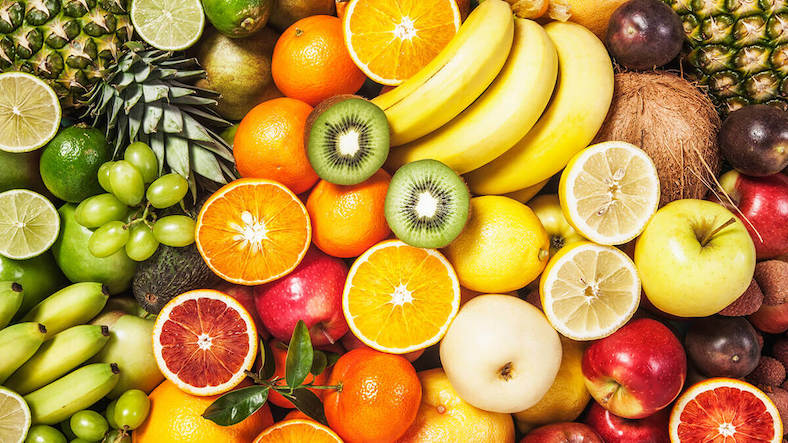
1. Vitamin C: Known for its immune-boosting properties, vitamin C is a potent antioxidant found in citrus fruits (oranges, lemons), berries (strawberries, blueberries), kiwi, bell peppers, and leafy greens like spinach.
2. Vitamin E: This fat-soluble antioxidant is abundant in nuts (almonds, hazelnuts), seeds (sunflower seeds), vegetable oils (sunflower oil), avocados, and spinach.
3. Beta-carotene: A precursor to vitamin A, beta-carotene gives bright orange or red hues to fruits and vegetables like carrots, sweet potatoes, mangoes, apricots, pumpkin, red bell peppers.
4. Selenium: Found in Brazil nuts—just two nuts can provide your daily requirement—selenium also exists in whole grains (brown rice), legumes (lentils), fish (tuna) poultry (chicken breast), and eggs.
5. Flavonoids: These plant compounds are prevalent in colorful fruits such as berries (blueberries raspberries), cherries grapes; vegetables like broccoli onions; tea (green tea); dark chocolate; and red wine.
It’s important to note that while consuming foods rich in antioxidants is beneficial for overall health maintenance and chronic disease prevention when obtained through a balanced diet of nutrient-dense foods rather than supplements alone.
Incorporating antioxidants into our daily meals need not be daunting either! Here are a few tips to get started:
1. Aim for variety: Include a diverse range of colorful fruits and vegetables to ensure you receive an array of different antioxidants.
2. Cook with herbs and spices: Many herbs like oregano or spices like cinnamon have potent antioxidant properties, so don’t be afraid to experiment and add them to your dishes.
3. Snack smartly: Instead of reaching for processed snacks, opt for a handful of nuts or fresh berries as a nutritious antioxidant-rich snack.
4. Enjoy a cup of tea: Green tea and herbal teas like chamomile or hibiscus are not only hydrating but also provide antioxidants.
In conclusion, antioxidants play a pivotal role in maintaining our overall health and well-being by neutralizing free radicals that can cause cellular damage. A diet rich in colorful fruits, vegetables, nuts, seeds, legumes, whole grains, and lean proteins ensures an adequate intake of these beneficial compounds. So let’s make an effort to incorporate more antioxidant-rich foods into our daily routines for long-term health benefits.
🛒 Recommended Products
As an Amazon Associate, we earn from qualifying purchases.
Disclosure: This post contains Amazon affiliate links. As an Amazon Associate, we earn from qualifying purchases at no additional cost to you.

Leave a Reply