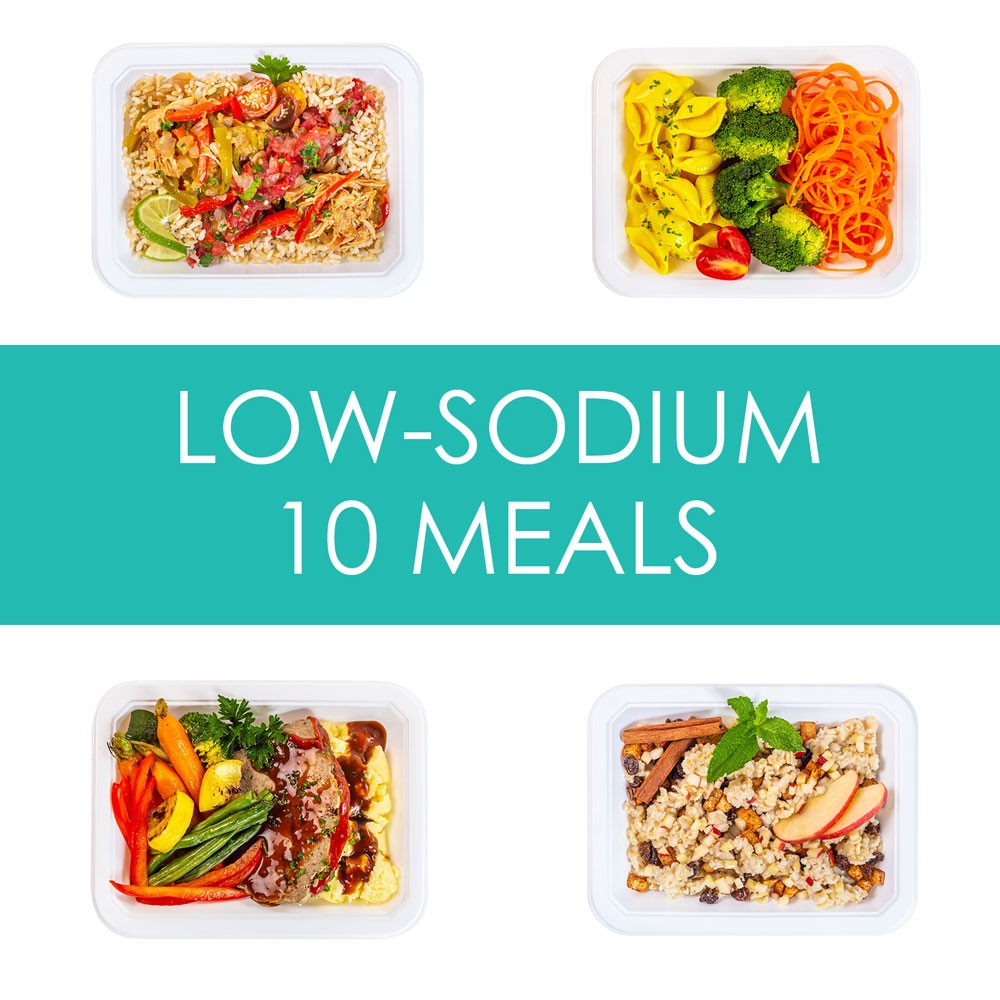
Are you looking for low-sodium meal prep ideas that are not only healthy but also delicious? Look no further! In this article, we will explore a variety of options to help you create flavorful meals while keeping your sodium intake in check. Whether you are trying to lower your blood pressure or simply improve your overall health, these ideas will provide you with the inspiration you need.
1. Flavorful Herbs and Spices:
One of the easiest ways to reduce sodium in your meals is by using herbs and spices instead. Fresh or dried herbs like basil, thyme, rosemary, and oregano can add a burst of flavor to any dish without adding extra salt. Additionally, spices such as turmeric, cumin, paprika, and garlic powder can enhance the taste profile of your meals while providing numerous health benefits.
2. Citrus Infusion:
Citrus fruits like lemon, lime, and orange can be excellent allies in creating low-sodium dishes bursting with zesty flavors. Squeeze some fresh citrus juice over steamed vegetables or grilled fish for an instant flavor boost. You can also use citrus zest as a seasoning for salads or marinades. The acidity from these fruits helps balance out other flavors without relying on excessive salt.
3. Homemade Stocks:
Store-bought stocks often contain high levels of sodium which can significantly impact the overall salt content of your recipes when used liberally. Instead, consider making homemade stocks using low-sodium ingredients such as fresh vegetables and lean cuts of meat or poultry. This way, you have control over the amount of added salt in your dishes while still enjoying flavorful soups and stews.
4. Roasting for Intense Flavors:
Roasting vegetables is an excellent technique that brings out their natural sweetness while adding depth to their taste profile – all without relying on heavy seasoning with salt-based ingredients. Simply toss your favorite veggies like sweet potatoes, Brussels sprouts, or bell peppers with a drizzle of olive oil, sprinkle some herbs and spices, then roast them in the oven until they caramelize. The result is a delicious side dish or main course that is both low-sodium and full of flavor.
5. Experimenting with Low-Sodium Ingredients:
When it comes to low-sodium meal prep, there are numerous ingredients you can explore to create tasty dishes. For example, swapping regular soy sauce with reduced-sodium soy sauce or even coconut aminos can significantly reduce sodium levels without compromising taste. You can also try using alternative seasonings like nutritional yeast or seaweed flakes for an umami kick. Additionally, incorporating more fresh fruits and vegetables into your meals not only adds nutritional value but also enhances natural flavors.
In conclusion, cooking low-sodium meals doesn’t mean sacrificing taste. By incorporating flavorful herbs and spices, utilizing citrus fruits for tangy notes, making homemade stocks, roasting vegetables for intense flavors, and experimenting with low-sodium ingredients; you can create nutritious and satisfying meals that won’t leave you missing the salt shaker. So get creative in the kitchen and enjoy the journey towards healthier eating!

Leave a Reply