Avocado Oil:
Q: What is avocado oil and what are its health benefits?
A: Avocado oil is derived from the fruit of the avocado tree. It is known for its high content of monounsaturated fats, specifically oleic acid. This type of fat has been associated with various health benefits, including reducing inflammation, improving heart health, and aiding in weight management.
Q: How can avocado oil be used in cooking?
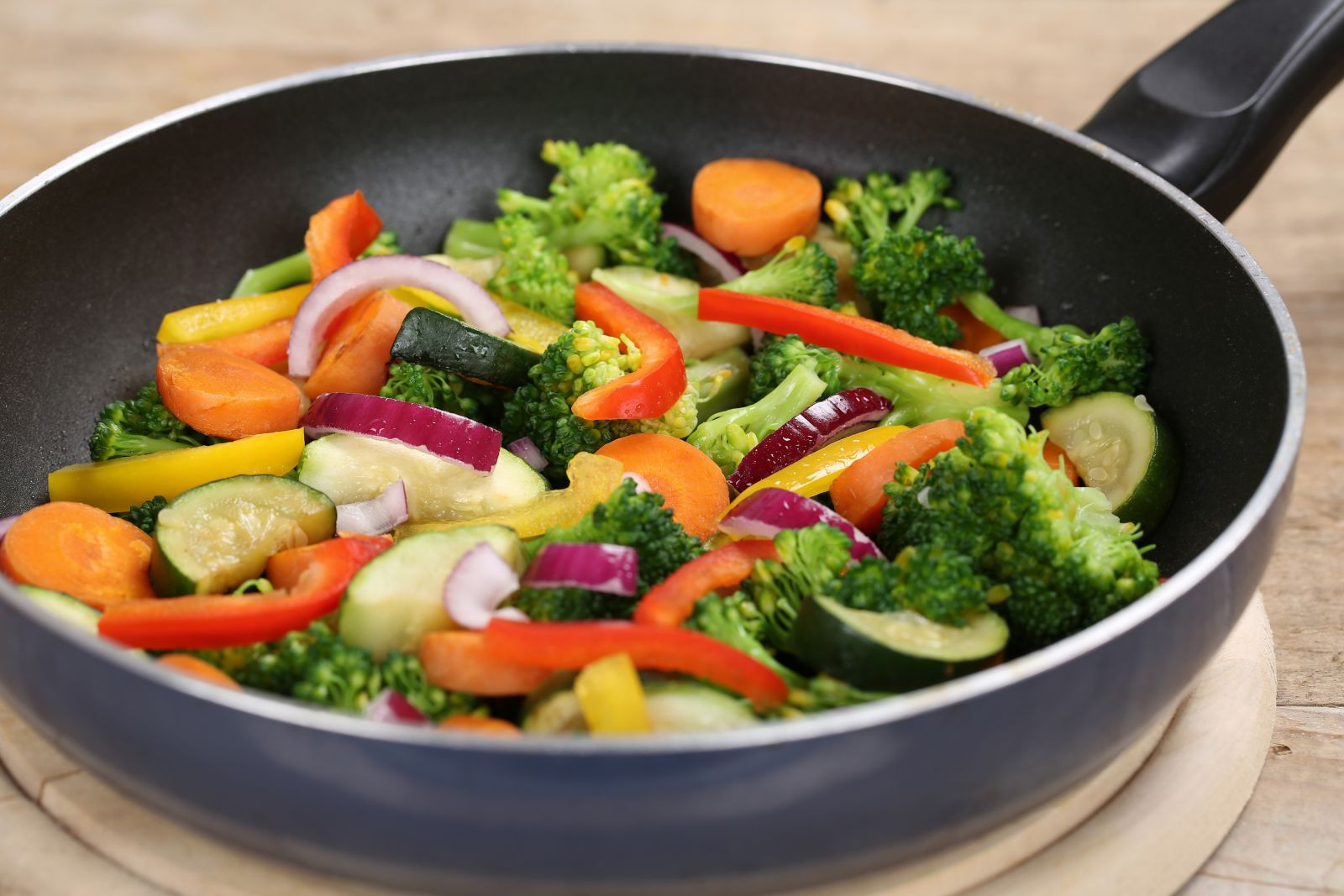
A: Avocado oil has a mild flavor and a high smoke point, making it suitable for various cooking methods. It can be used for sautéing vegetables, grilling meat or fish, baking, or even as a base for salad dressings.
Q: Are there any potential downsides to using avocado oil?
A: While avocado oil offers numerous health benefits, it is important to note that it is still calorie-dense like any other fat source. Therefore, moderation should be exercised when incorporating it into your diet.
Ghee:
Q: What exactly is ghee and how does it differ from regular butter?
A: Ghee is clarified butter that has had all the milk solids and water removed through heating. This process gives ghee a higher smoke point compared to regular butter and makes it suitable for high-temperature cooking without burning.
Q: Is ghee lactose-free? Can individuals with lactose intolerance consume ghee?
A: Yes! The clarification process removes most of the lactose and casein present in butter. As a result, individuals with lactose intolerance might find that they can tolerate ghee without experiencing any adverse effects.
Q: Besides being used in cooking, are there any other uses for ghee?
A: Ghee not only adds flavor to dishes but also boasts several potential health benefits. Some people use it topically as a moisturizer or lip balm due to its nourishing properties.
Macadamia Nut Oil:
Q: Why is macadamia nut oil considered a healthy cooking oil?
A: Macadamia nut oil has a favorable ratio of monounsaturated fats to saturated fats, similar to that of olive oil. It also contains antioxidants and other beneficial compounds that may help reduce inflammation and improve heart health.
Q: Can macadamia nut oil be used for frying or high-heat cooking?
A: Yes! Macadamia nut oil has a high smoke point, making it suitable for frying, sautéing, and baking at higher temperatures without oxidizing or breaking down.
Q: Are there any potential drawbacks to using macadamia nut oil?
A: Macadamia nut oil is relatively expensive compared to other cooking oils. However, its unique flavor profile and health benefits might make it worth the investment for some individuals.
Walnut Oil:
Q: What are the nutritional benefits of walnut oil?
A: Walnut oil provides a good source of omega-3 fatty acids, which are essential for brain health. It also contains polyphenols and antioxidants that contribute to its anti-inflammatory properties.
Q: Can walnut oil be heated? How should it be used in cooking?
A: Due to its delicate composition, walnut oil should not be used for high-heat cooking or frying. Instead, it is best enjoyed drizzled over salads, roasted vegetables, pasta dishes, or even as an ingredient in homemade salad dressings.
Q: Is there anything else important to know about walnut oil?
A: Walnut oils have a shorter shelf life compared to other oils due to their higher unsaturated fat content. To maintain freshness and quality, it’s recommended to store them in the refrigerator after opening.
Flaxseed Oil:
Q: What makes flaxseed oil popular among health enthusiasts?
A: Flaxseed oil is rich in alpha-linolenic acid (ALA), an essential omega-3 fatty acid known for its anti-inflammatory properties. It is also a good source of lignans, which have antioxidant and potential cancer-fighting effects.
Q: Can flaxseed oil be used for cooking?
A: Flaxseed oil has a low smoke point and should not be used for cooking at high temperatures. Instead, it can be drizzled over dishes like salads, steamed vegetables, or added to smoothies for an extra nutritional boost.
Q: Are there any precautions to take when consuming flaxseed oil?
A: Flaxseed oil is highly perishable and sensitive to light and heat. To preserve its quality, it should be stored in the refrigerator and consumed within a short period after opening.
Hemp Seed Oil:
Q: What are the benefits of using hemp seed oil in cooking?
A: Hemp seed oil contains a favorable balance of omega-6 to omega-3 fatty acids, making it beneficial for heart health. It also provides essential fatty acids that support brain function and may help reduce inflammation.
Q: Can hemp seed oil withstand high heat during cooking?
A: Similar to flaxseed oil, hemp seed oil has a low smoke point and should not be used for frying or high-heat cooking. It is best enjoyed in recipes where heating is minimal or as an ingredient in dressings or dips.
Q: Is there anything important about hemp seed oil that consumers should know?
A: While hemp seeds are derived from the same plant species as marijuana, they do not contain THC (the psychoactive compound). Therefore, consuming hemp seed oil will not result in any psychoactive effects.
Chia Seeds:
Q: Why have chia seeds gained popularity as a superfood?
A: Chia seeds are nutrient-dense powerhouses packed with fiber, protein, omega-3 fatty acids, antioxidants, vitamins, and minerals. They offer numerous potential health benefits ranging from improved digestion to increased energy levels.
Q: How can chia seeds be incorporated into a healthy diet?
A: Chia seeds are incredibly versatile and can be added to smoothies, yogurt, oatmeal, baked goods, or used as an egg substitute in vegan recipes. They also form a gel-like consistency when soaked in liquid, making them suitable for puddings or as a thickening agent.
Q: Are there any potential side effects of consuming chia seeds?
A: Some individuals may experience digestive discomfort if they consume large quantities of dry chia seeds without adequate hydration. It is recommended to soak them before consumption and drink plenty of water throughout the day.
Sardines:
Q: What makes sardines a nutritious addition to one’s diet?
A: Sardines are rich in omega-3 fatty acids EPA and DHA, which support heart health and brain function. They are also an excellent source of protein, calcium, vitamin D, selenium, and other essential nutrients.
Q: How can sardines be prepared and enjoyed?
A: Sardines can be consumed fresh or canned in various forms such as fillets packed in olive oil or tomato sauce. They can be eaten on their own or used as ingredients in salads, sandwiches, pasta dishes, pizzas, or even blended into spreads like pâté.
Q: Is there anything important to consider when purchasing sardines?
A: When selecting canned sardines, opt for those that are sustainably sourced and packed with little added sodium or preservatives. It is also advisable to choose wild-caught varieties over farmed ones whenever possible.
Anchovies:
Q: What nutritional value do anchovies offer?
A: Anchovies provide high amounts of omega-3 fatty acids EPA and DHA along with protein and minerals like calcium and iron. These nutrients contribute to overall heart health while supporting bone strength.
Q: How can anchovies be included in meals?
A: Anchovies often come in tinned or jarred form and can be added to dishes for an umami flavor boost. They are commonly used as a pizza topping, incorporated into pasta sauces, salad dressings, or even mashed into a paste for spreads like bagna cauda.
Q: Are there any potential drawbacks to consuming anchovies?
A: Anchovies are naturally high in sodium due to their preservation methods. Individuals on low-sodium diets should be mindful of their intake and consider rinsing them before use to reduce the salt content.
Mackerel:
Q: What makes mackerel a healthy fish option?
A: Mackerel is an oily fish rich in omega-3 fatty acids, particularly EPA and DHA. Regular consumption of mackerel has been associated with various health benefits such as reducing inflammation, improving heart health, and supporting brain function.
Q: How can mackerel be cooked and enjoyed?
A: Mackerel can be grilled, baked, pan-fried, or smoked. It pairs well with various flavors and spices like lemon juice, garlic, herbs, or even Asian-inspired marinades. It can also be used as an ingredient in fish cakes or pâtés.
Q: Is there anything important to know about purchasing mackerel?
A: When buying mackerel (especially fresh), look for firm flesh with clear eyes and a fresh scent. If opting for canned varieties, choose those packed in water or olive oil rather than heavy sauces containing excess salt or additives.
Herring:
Q: What nutritional benefits does herring offer?
A: Herring is another oily fish that provides omega-3 fatty acids along with protein, vitamins B12 and D3, selenium, phosphorus,
and other essential nutrients necessary for overall health.
Q: How can herring be prepared and enjoyed?
A: Herring can be eaten fresh by grilling it whole or filleting it before baking, frying, or smoking. It is also commonly found in pickled or marinated forms and used in dishes like herring salad, rollmops, or as an ingredient in Scandinavian cuisine.
Q: Are there any precautions to consider when consuming herring?
A: Some individuals may have allergies or sensitivities to fish. Additionally, pregnant women should be cautious about the potential mercury content in certain types of fish and consult with their healthcare provider.
Duck Fat:
Q: Why is duck fat gaining popularity among chefs and home cooks?
A: Duck fat has a rich flavor profile and a high smoke point, making it ideal for cooking methods like roasting vegetables or frying foods. It adds a unique taste and texture to dishes while enhancing flavors.
Q: Can duck fat be used by individuals following a specific diet?
A: Duck fat is suitable for various diets such as paleo or keto due to its high-fat content. However, moderation should be practiced since it is calorie-dense like any other fat source.
Q: Is there anything important about storing duck fat?
A: Duck fat can be stored in an airtight container in the refrigerator for several months without losing its quality. The rendered fat can solidify but will liquefy again when heated gently before use.
Tallow (Beef Fat):
Q: What are some benefits of using tallow for cooking purposes?
A: Tallow contains healthy saturated fats along with vitamins A, D, E, K2, and conjugated linoleic acid (CLA). These components contribute to overall health while providing excellent heat stability during cooking.
Q: How can tallow be incorporated into recipes?
A: Tallow has a high smoke point that makes it suitable for frying food at higher temperatures. It can also add flavor when used as an alternative to butter in baking recipes or when sautéing vegetables.
Q: Is there anything important regarding sourcing tallow?
A: When purchasing tallow, opt for high-quality grass-fed or organic sources to ensure the absence of added hormones, antibiotics, or pesticides. Rendered tallow can be stored in the refrigerator for several months.
Lard (Pork Fat):
Q: Why is lard making a comeback as a cooking fat?
A: Lard has a rich flavor and provides excellent texture to various dishes. It is also versatile and suitable for frying, baking, sautéing vegetables, or even used as an ingredient in pastry crusts.
Q: Can individuals with dietary restrictions consume lard?
A: While lard is primarily made from pork fat, it does not contain carbohydrates or gluten. However, individuals following specific diets such as vegetarianism or those avoiding pork products may choose alternatives like vegetable shortening instead.
Q: Is there anything important about storing and handling lard?
A: Lard should be stored in an airtight container in the refrigerator to maintain freshness. Additionally, it’s advisable to strain any leftover bits before storing to extend its shelf life.
Emu Oil:
Q: What health benefits are associated with emu oil?
A: Emu oil is rich in omega-3 fatty acids and contains compounds that have potential anti-inflammatory properties. Some people use it topically for skin conditions like eczema or as a moisturizer due to its hydrating effects.
Q: Can emu oil be consumed internally?
A: While some research suggests potential benefits of consuming emu oil orally, more studies are needed before definitive conclusions can be drawn. As of now, topical application remains the most common use of emu oil.
Q: Are there any precautions when using emu oil topically?
A: Individuals with known allergies to bird-related products should exercise caution when using emu oil topically and consider conducting a patch test beforehand.
Camelina Oil:
Q: What makes camelina oil a healthy choice for cooking?
A: Camelina oil is rich in omega-3 fatty acids, vitamin E, and antioxidants. It has a nutty flavor and offers numerous potential health benefits such as reducing inflammation, improving heart health, and supporting brain function.
Q: Can camelina oil withstand high heat during cooking?
A: Camelina oil has a relatively high smoke point compared to other oils like flaxseed or walnut. It can be used for various cooking methods such as sautéing, roasting vegetables, or even drizzled over finished dishes.
Q: Is there anything else important about camelina oil that consumers should know?
A: Like any other fat source, camelina oil is calorie-dense. Therefore, moderation should be practiced when incorporating it into one’s diet to maintain caloric balance.
Pecans:
Q: What nutritional value do pecans offer?
A: Pecans are packed with healthy fats like monounsaturated fats and contain fiber, protein, vitamins (such as vitamin E), minerals (such as magnesium), and antioxidants. These components contribute to heart health and overall well-being.
Q: How can pecans be included in meals or snacks?
A: Pecans make a delicious addition to both sweet and savory dishes. They can be eaten on their own as a snack, sprinkled over salads or oatmeal, incorporated into baked goods like cookies or pie crusts, or even used as a coating for proteins like chicken or fish.
Q: Are there any precautions regarding the consumption of pecans?
A: While pecans offer numerous health benefits when consumed in moderation due to their nutrient density; they are also calorie-dense. Overconsumption may lead to weight gain if not balanced within an overall healthy diet plan.
Brazil Nuts:
Q: Why are Brazil nuts considered beneficial for health?
A: Brazil nuts are highly nutritious and provide essential nutrients such as selenium, magnesium, zinc, vitamin E, and healthy fats. Selenium is especially abundant in Brazil nuts and plays a crucial role in antioxidant defense and thyroid function.
Q: How should Brazil nuts be consumed to maximize their benefits?
A: Due to their richness in nutrients, it’s recommended to consume Brazil nuts in moderation. Just a few nuts per day can provide the necessary selenium intake for most individuals. They can be eaten as a snack or incorporated into various recipes like granola or nut butter.
Q: Is there anything important about sourcing Brazil nuts?
A: When purchasing Brazil nuts, choose organic or sustainably sourced varieties to ensure quality and minimize exposure to pesticides or harmful environmental practices.
Pistachios:
Q: What nutritional value do pistachios offer?
A: Pistachios are packed with protein, fiber, healthy fats (including monounsaturated fats), vitamins (such as vitamin B6), minerals (such as potassium), antioxidants, and phytochemicals. These components contribute to heart health and may help manage weight.
Q: How can pistachios be enjoyed beyond snacking?
A: Pistachios make an excellent addition to salads, pilafs, baked goods like muffins or biscotti; they also work well when sprinkled over yogurt or blended into homemade pesto sauces.
Q: Are there any precautions regarding the consumption of pistachios?
A: While pistachios offer numerous health benefits when consumed moderately within an overall balanced diet; they are calorie-dense due to their fat content. It’s important not to exceed portion sizes if weight management is a concern.
Hazelnuts:
Q: Why are hazelnuts considered beneficial for health?
A: Hazelnuts are rich in monounsaturated fats along with fiber, vitamins (such as vitamin E), minerals (such as copper), antioxidants,
and other beneficial compounds that support heart health and overall well-being.
Q: How can hazelnuts be enjoyed beyond snacking?
A: Hazelnuts are versatile and can be used in a variety of sweet and savory dishes. They can be incorporated into baked goods like cakes or cookies, sprinkled over salads or roasted vegetables, transformed into nut butter, or even added to homemade granola.
Q: Are there any precautions regarding the consumption of hazelnuts?
A: While hazelnuts offer numerous health benefits when consumed moderately within an overall balanced diet; they are calorie-dense due to their fat content. It’s important not to exceed portion sizes if weight management is a concern.
Almond Butter:
Q: What makes almond butter a healthy alternative to traditional peanut butter?
A: Almond butter is made from almonds that provide monounsaturated fats, fiber, protein, vitamins (such as vitamin E), minerals (such as magnesium), antioxidants, and other beneficial compounds. These components contribute to heart health and overall well-being.
Q: How can almond butter be included in meals or snacks?
A: Almond butter is incredibly versatile and can be spread on toast or rice cakes for breakfast or snacks. It also works well when combined with smoothies, oatmeal, yogurt parfaits,
or used as an ingredient in baking recipes like energy bars or cookies.
Q: Are there any potential drawbacks to consuming almond butter?
A: While almond butter offers numerous health benefits when consumed in moderation within an overall balanced diet; it is also calorie-dense due to its high-fat content. Portion control should be practiced if weight management is a concern.
Cashew Butter:
Q: Why is cashew butter gaining popularity among nut butters?
A: Cashew butter provides a creamy texture along with monounsaturated fats, fiber,
protein, vitamins (such as vitamin K), minerals (such as copper),
and antioxidants that support heart health and overall well-being.
Q: How can cashew butter be incorporated into meals or snacks?
A: Cashew butter can be spread on toast, rice cakes,

Leave a Reply