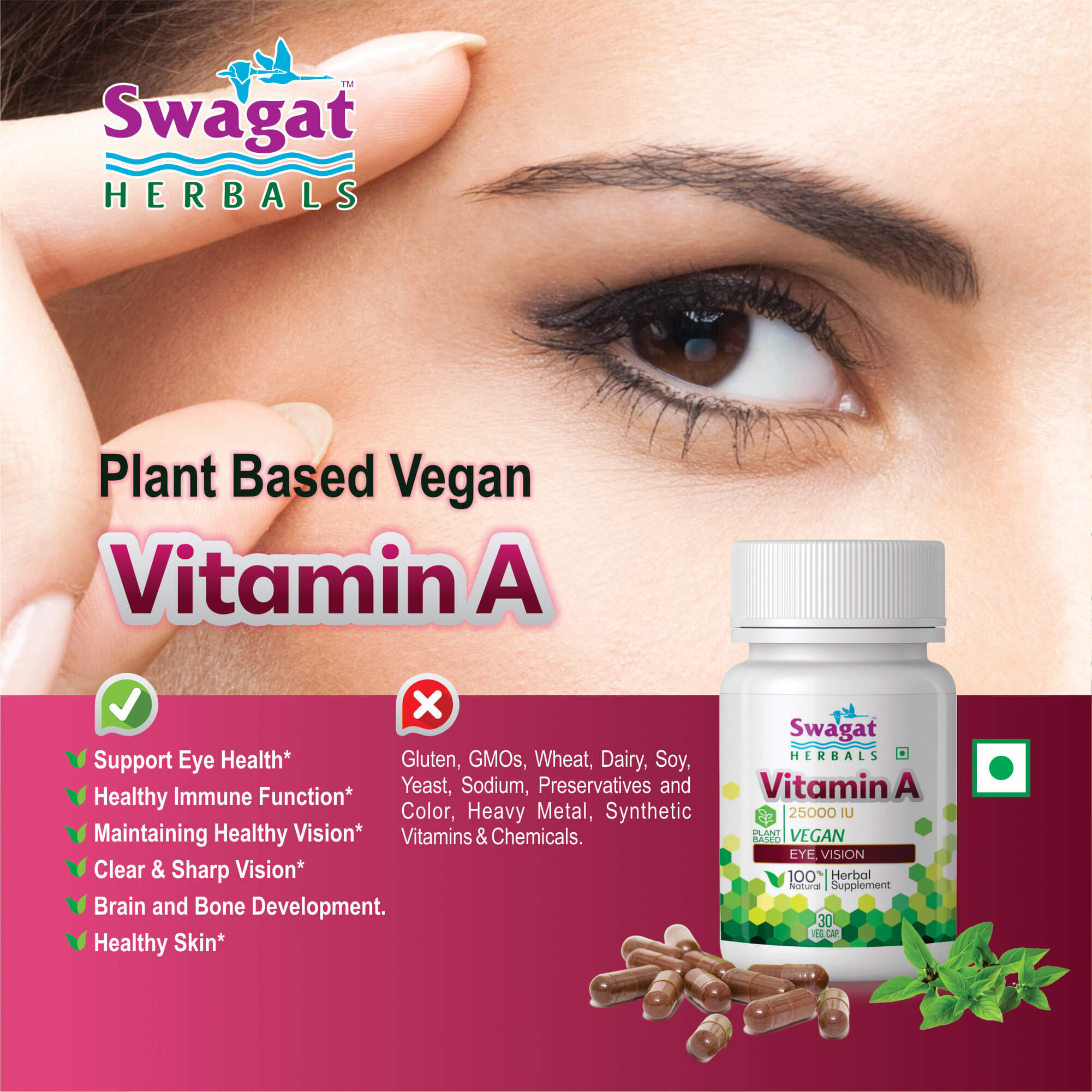
Vitamin A: Nourishing Your Vision for a Brighter Future
Our eyes are the windows to our souls, allowing us to experience the beauty and wonders of the world around us. Yet, in today’s fast-paced lifestyle, it is easy to overlook the importance of caring for our vision health. Fortunately, nature has provided us with a powerful ally – Vitamin A.
Vitamin A plays a crucial role in maintaining optimal eye health. It helps preserve vision by ensuring that our eyes function at their best and can adapt to changes in light. Additionally, this essential nutrient supports the development and maintenance of healthy cells within the eyes.
One way Vitamin A benefits our vision is through its contribution to clear and sharp vision during low-light conditions. It aids in the production of rhodopsin, a pigment found in the retina that enables us to see well even in dim lighting. By increasing rhodopsin levels, Vitamin A enhances night vision and reduces the risk of night blindness.
Moreover, this mighty vitamin helps prevent dryness and promotes proper lubrication within our eyes. The tear film on our cornea acts as a protective layer against foreign particles while also keeping our eyes moist and comfortable. Without sufficient Vitamin A intake, we may experience dry eye syndrome or other discomforting symptoms such as itching or burning sensations.
Furthermore, Vitamin A contributes significantly to maintaining healthy corneas—the transparent front part of your eye responsible for focusing light onto your retina—by supporting cell growth and regeneration. This ensures that your cornea remains clear and allows light to pass through without obstruction or distortion.
In addition to its direct impact on visual acuity, Vitamin A also plays an essential role in preventing age-related macular degeneration (AMD). AMD is one of the leading causes of severe visual impairment among older adults worldwide. This condition affects central vision by gradually damaging the macula—a small portion located at the center of your retina responsible for detailed tasks like reading or recognizing faces. By incorporating Vitamin A-rich foods into your diet, you can reduce the risk of developing AMD and preserve your precious sight.
Now that we understand the significance of Vitamin A for our vision health let’s explore some excellent sources to ensure an adequate intake of this vital nutrient.
One of the richest sources of readily available Vitamin A is found in animal products. Foods such as liver, fish oil, eggs, and dairy products like milk and cheese are packed with preformed Vitamin A called retinol. These food items provide a direct source of this essential vitamin that can be readily absorbed by our bodies.
For those following a vegetarian or vegan lifestyle, fret not! Nature has provided plenty of plant-based options to fulfill your recommended daily intake requirements for Vitamin A. Many fruits and vegetables contain carotenoids—a group of pigments responsible for their vibrant colors—that our bodies convert into usable forms of Vitamin A.
Carrots are perhaps the most well-known vegetable associated with eye health due to their high beta-carotene content—an important precursor to Vitamin A conversion within our bodies. Other orange-colored vegetables such as sweet potatoes, butternut squash, and pumpkins also offer generous amounts of beta-carotene.
Leafy green vegetables like spinach, kale, and collard greens are another excellent source of carotenoids. They not only provide ample amounts of beta-carotene but also contain other beneficial compounds like lutein and zeaxanthin that protect against harmful blue light from digital screens or sunlight exposure.
Incorporating these colorful fruits and veggies into your meals can significantly contribute to maintaining optimal vision health while providing numerous other health benefits too!
To maximize the absorption rates from these plant-based sources, it is crucial to consume them alongside healthy fats since they are fat-soluble vitamins. Pairing your salads with avocado slices or drizzling olive oil over roasted vegetables will help ensure efficient absorption while enhancing the flavors of your dishes.
Supplementation is another option to consider if you struggle to meet your daily Vitamin A needs through diet alone. However, it is important to consult with a healthcare professional before starting any supplements, as excessive intake of Vitamin A can have adverse effects on your health.
In conclusion, our eyes deserve the utmost care and attention. By incorporating Vitamin A into our diets through natural food sources or supplementation under professional guidance, we can nourish our vision for a brighter future. Let’s embrace this powerful nutrient and make it an integral part of our healthy eating habits, allowing us to continue appreciating the beauty that surrounds us every day!

Leave a Reply