Iodine is an essential mineral that plays a crucial role in maintaining the overall health of our body. It is especially important for the proper functioning of the thyroid gland, which regulates metabolism and supports growth and development. Since our bodies cannot produce iodine on their own, it is important to ensure we are getting enough iodine through our diet. In this article, we will explore different sources of iodine and how to incorporate them into a healthy eating plan.
Seafood:
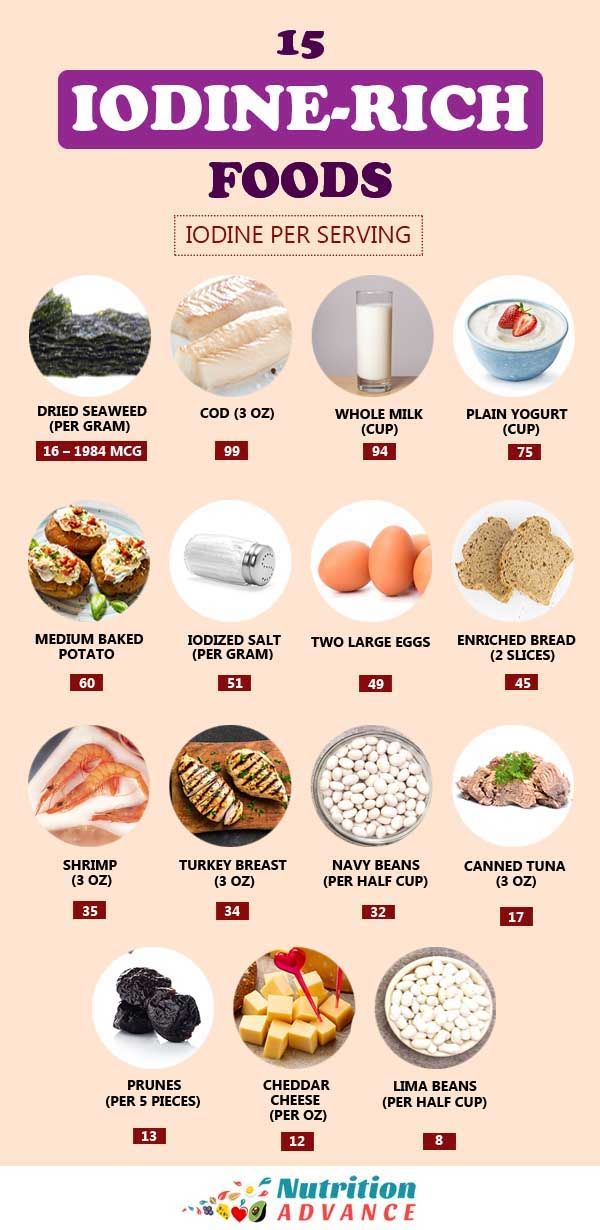
One of the richest sources of dietary iodine is seafood. Fish like cod, tuna, and shrimp are excellent choices as they contain high levels of iodine. For instance, 3 ounces (85 grams) of cooked cod can provide up to 66% of your daily recommended intake (DRI) of iodine. Similarly, a 3-ounce serving (85 grams) of canned tuna contains about 17% DRI.
Seaweed:
Seaweed is another fantastic source of natural iodine. Various types such as kelp, nori, wakame, and kombu are commonly used in Asian cuisine. One sheet of dried seaweed can provide around 11-1,989% DRI depending on the type and brand. Incorporating seaweed into your diet by using it as a wrap or adding it to salads or soups can significantly boost your iodine intake.
Dairy Products:
Milk and dairy products also contribute to our daily intake of iodine. Dairy cows consume feed that has been fortified with minerals including iodine, thus making their milk an excellent source for us too. One cup (237 ml) of cow’s milk typically contains around 56 micrograms (mcg), accounting for about one-third (~32%) DRI for adults.
Yogurt is another option worth considering when looking for dietary sources rich in both probiotics and iodine content. A single serving (~170g) of yogurt can provide around 50-150 mcg (33-100% DRI) of iodine, depending on the brand and type.
Eggs:
Eggs are a versatile and nutrient-rich food that also contains iodine. One large egg provides approximately 24 mcg (16% DRI). Including eggs in your diet not only contributes to your iodine intake but also offers other essential nutrients like protein, vitamins, and minerals.
Iodized Salt:
One of the most common sources of dietary iodine is table salt fortified with iodine. Iodized salt was introduced as a public health initiative to combat iodine deficiency disorders. Just one teaspoon (6 grams) of iodized salt typically contains about 400 micrograms (267% DRI) of iodine. However, it is important to note that excessive consumption of salt may have negative health impacts, so moderation is key.
Fruits and Vegetables:
While fruits and vegetables generally contain lower levels of iodine compared to seafood or dairy products, they still contribute to our overall intake. Some examples include strawberries, cranberries, potatoes (with skin), prunes, lima beans, green peas, and spinach. While the amounts may be smaller than other sources mentioned earlier, incorporating a variety of these foods into your diet can help ensure you receive adequate levels over time.
Supplements:
In certain cases where individuals are unable to meet their daily recommended intake through dietary sources alone or for those living in areas with low soil iodine content, supplements may be necessary. It is important to consult with a healthcare professional before starting any supplementation regimen.
Conclusion:
Ensuring an adequate supply of dietary iodine is essential for maintaining optimal health. By including seafood like fish and shrimp in your diet along with seaweed options such as kelp or nori sheets while incorporating dairy products such as milk or yogurt into meals/snacks; consuming eggs; using iodized salt in moderation; and consuming a variety of fruits and vegetables, you can meet your daily recommended iodine intake. As always, it is essential to maintain a balanced diet that includes all the necessary nutrients for overall health and well-being.

Leave a Reply