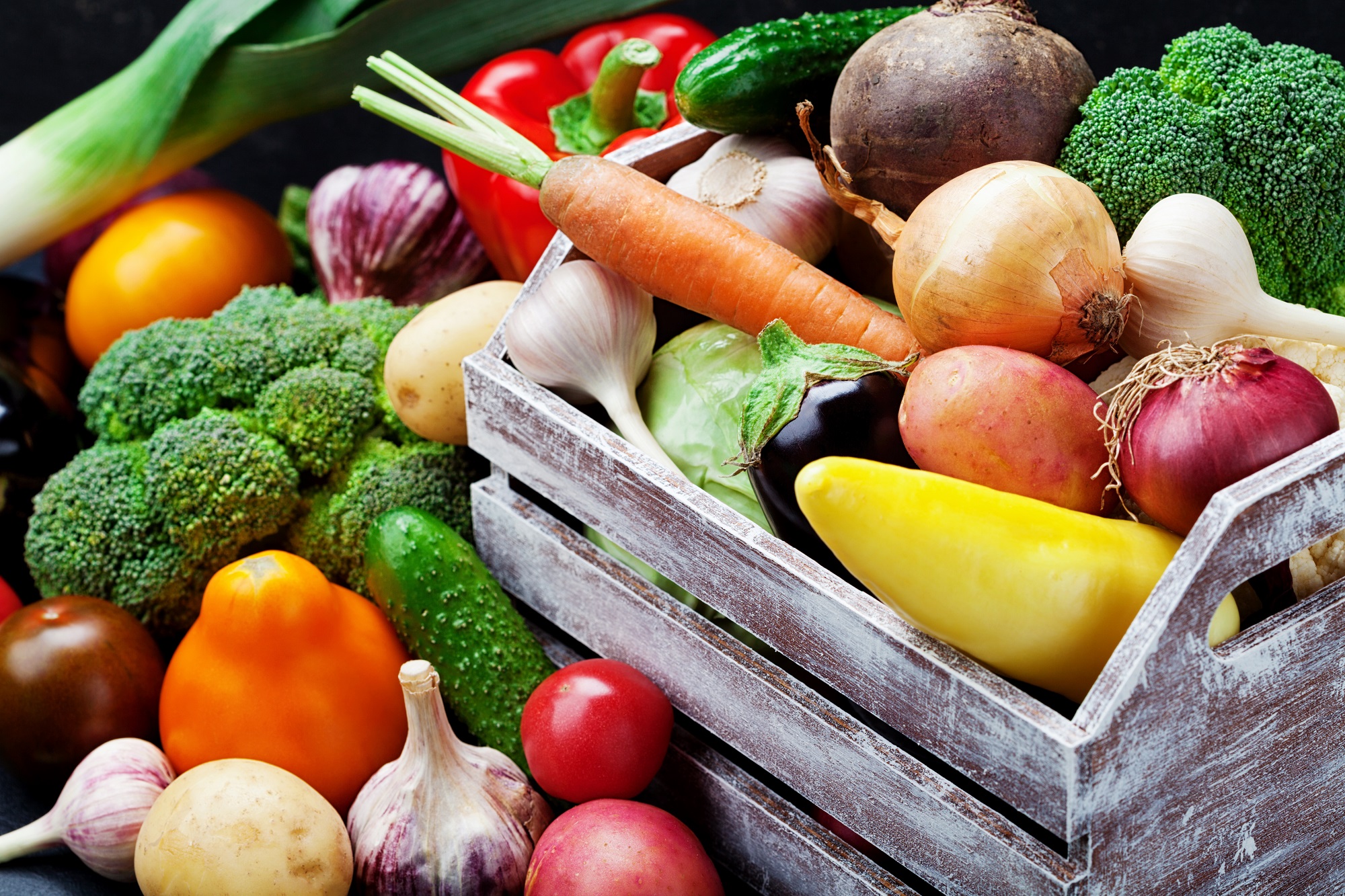
Seasonal Eating: Connecting with Nature and Nourishing Your Body
In our modern society, where we can have access to any type of food at any time of the year, it’s easy to forget the importance of eating seasonally. However, there is much wisdom in aligning our diets with the natural cycles of the Earth. Seasonal eating not only benefits our health but also supports local farmers and reduces environmental impact. In this article, we will explore the advantages of seasonal eating and provide practical tips on how to incorporate it into your lifestyle.
What is Seasonal Eating?
Seasonal eating refers to consuming foods that are naturally grown and harvested during specific times of the year. It involves selecting produce that is in abundance during a particular season rather than relying on imported or out-of-season options available year-round.
The Advantages of Seasonal Eating
1. Nutritional Benefits: When you eat seasonally, you consume fruits and vegetables at their peak ripeness. This means they contain higher levels of vitamins, minerals, antioxidants, and phytochemicals compared to their off-season counterparts. For instance, strawberries picked at their ripest in summer offer more flavor and nutritional value than those grown in a greenhouse during winter.
2. Environmental Sustainability: Buying locally sourced seasonal produce reduces carbon emissions associated with long-distance transportation commonly used for out-of-season foods. It also promotes biodiversity by supporting small-scale farmers who prioritize sustainable farming practices over monoculture farming methods often seen in large-scale industrial agriculture.
3. Cost-Effective: Seasonal produce tends to be less expensive as it doesn’t require additional resources like artificial heating or lighting needed for growing out-of-season crops. By buying what’s currently abundant, you can save money while enjoying fresh ingredients.
4. Enhanced Flavor: Have you ever noticed how tomatoes taste watery when bought off-season? That’s because they are typically harvested unripened for long-distance travel before being artificially ripened. On the other hand, tomatoes grown locally and consumed during their natural season are bursting with flavor, making your meals more enjoyable.
5. Connection to Nature: Eating seasonally allows us to reconnect with the natural rhythms of the Earth. It reminds us that each season brings its own unique offerings and encourages us to appreciate the cyclical changes in our environment.
Incorporating Seasonal Eating into Your Lifestyle
1. Get to Know Your Local Seasons: Familiarize yourself with what’s available in your region during different times of the year. Visit local farmers’ markets or join community-supported agriculture (CSA) programs that provide fresh produce directly from nearby farms.
2. Plan Ahead: Create a seasonal meal plan by researching recipes that highlight ingredients available during specific times of the year. Look for cookbooks or online resources focused on seasonal cooking to inspire your culinary adventures.
3. Preserve and Store: Take advantage of abundant produce by preserving them through canning, drying, fermenting, or freezing techniques. This way, you can enjoy seasonal flavors even when they’re no longer readily available.
4. Experiment with New Foods: Embrace variety by trying fruits and vegetables you may not be familiar with or haven’t cooked before. Seasonal eating opens up opportunities for discovering new tastes and expanding your culinary horizons.
5. Support Local Farmers: When shopping for groceries, prioritize buying from local farmers who follow sustainable practices and embrace organic farming methods whenever possible. By supporting these small-scale producers, you contribute to building a resilient food system while enjoying high-quality ingredients.
6. Be Flexible: While it’s ideal to eat strictly within each season’s offerings, it’s important to acknowledge that some foods have longer harvesting periods or can be stored for extended periods without losing their nutritional value (e.g., apples). Find a balance between strict seasonal eating and allowing yourself occasional indulgences outside of peak seasons.
7. Grow Your Own Food: If space permits, consider planting a small garden or even just some potted herbs and vegetables. Nothing beats the taste of homegrown produce straight from your backyard.
8. Educate Others: Share your knowledge about seasonal eating with friends, family, and colleagues. Encourage them to join you in embracing this sustainable and health-conscious approach to food consumption.
Remember, seasonal eating is not only about what’s on your plate; it’s also about connecting with nature, supporting local communities, and making conscious choices that benefit both our bodies and the environment. By incorporating seasonal foods into our diets, we can nourish ourselves while nurturing the planet we call home.

Leave a Reply