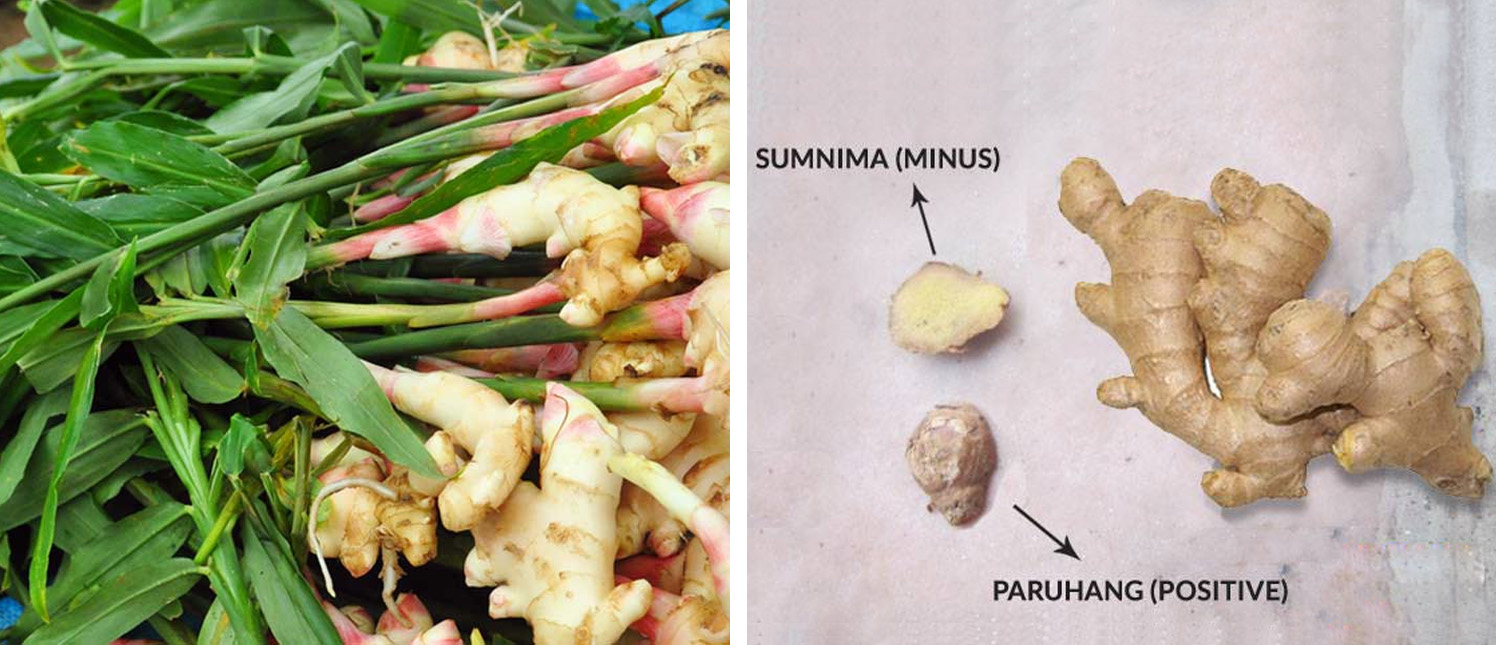
Ginger, with its unique flavor and medicinal properties, has been used for centuries in traditional medicine and cuisine across various cultures. This versatile root is not only known for adding a punch of flavor to dishes but also boasts numerous health benefits. In this article, we will delve into the traditional uses of ginger in different cultures and explore how it has been incorporated into their culinary practices.
1. Traditional Uses of Ginger in Asian Cultures:
Ginger has long been an essential ingredient in Asian cuisines such as Chinese, Japanese, Thai, and Indian. In Chinese medicine, ginger is believed to have warming properties that help improve circulation and digestion. It is commonly used as a remedy for ailments like nausea, colds, coughs, and menstrual cramps.
In Japan, pickled ginger (gari) is often served alongside sushi to cleanse the palate between bites. Additionally, ginger tea (shoga-yu) is popular during colder months as a soothing beverage that aids digestion.
Thai cuisine utilizes ginger extensively in savory dishes like stir-fries and curries. The combination of garlic, chili peppers, lemongrass, and ginger creates a harmonious blend of flavors that are characteristic of Thai cooking.
2. Traditional Uses of Ginger in Indian Ayurveda:
Ayurveda is an ancient holistic healing system from India that places great emphasis on balancing mind-body-spirit connections through diet and lifestyle choices. Ginger plays a vital role in Ayurvedic medicine due to its pungent taste (rasa), heating energy (virya), digestive properties (agni), post-digestive effect (vipaka), and ability to balance doshas (body constitutions).
In Ayurveda, fresh or dried ginger can be consumed directly or added to teas to alleviate digestive issues such as bloating or indigestion. It is also used as an expectorant for respiratory problems by mixing it with honey or boiling it with milk.
3. Traditional Uses of Ginger in Middle Eastern and Mediterranean Cultures:
In Middle Eastern and Mediterranean cuisines, ginger is often used as a spice in both sweet and savory dishes. It adds a warm, aromatic flavor to recipes such as Moroccan tagines, Turkish desserts, and Lebanese stews.
Ginger tea (shai adhrak) is particularly popular in these regions for its soothing properties. It is commonly consumed after meals to aid digestion or during winter months to provide warmth.
4. Traditional Uses of Ginger in Caribbean and African Cultures:
Ginger has deep roots in the culinary traditions of the Caribbean islands and Africa. In Jamaican cuisine, it is widely used in jerk seasoning blends that give meat a distinct spicy flavor. Additionally, ginger beer is a beloved Caribbean beverage made by fermenting ginger with sugar, water, and sometimes yeast.
In West African cultures, ginger holds medicinal value as well. It is often used to treat stomachaches, colds, sore throats, and even malaria symptoms. Ginger-infused drinks are also prevalent across many African countries.
5. Traditional Uses of Ginger in South American Cultures:
South American cuisines have their own unique ways of incorporating ginger into traditional dishes. In Brazil’s vibrant culinary scene, it is commonly added to seafood stews like Moqueca for its zesty kick.
Peruvian cuisine showcases the use of ginger through its famous drink called chicha de jengibre or ginger beer/ale. This refreshing beverage combines grated ginger with lime juice and spices like cinnamon or cloves for an invigorating taste experience.
As we can see from these examples across various cultures around the world, ginger has been valued not only for its culinary contributions but also for its potential health benefits. Incorporating this versatile root into your diet can be a delicious way to improve digestion, soothe ailments like nausea or respiratory problems while adding complexity to your dishes.
However you choose to enjoy ginger, whether it’s in a steaming cup of tea, a spicy stir-fry, or a comforting bowl of soup, embrace the rich traditions and flavors that this incredible root has to offer.

Leave a Reply