Reading Food Labels for Sodium Content: A Guide to Making Healthy Choices
Introduction:
In today’s fast-paced world, it can be challenging to maintain a healthy diet. However, making informed choices about the food we consume is crucial for our well-being. One essential aspect of healthy eating is managing our sodium intake. Excessive sodium consumption has been linked to various health issues, including high blood pressure and heart disease. By learning how to read food labels for sodium content, we can take control of our diet and make healthier choices.
Understanding Sodium:
Sodium plays an important role in maintaining the balance of fluids in our bodies and regulating nerve function. However, consuming too much sodium can lead to health problems. The American Heart Association recommends limiting daily sodium intake to no more than 2,300 milligrams (mg), equivalent to one teaspoon of salt.
The Importance of Reading Food Labels:
Food labels are packed with information about the nutritional content of packaged foods. They provide valuable insight into the ingredients used and help us make informed decisions about what we eat. When it comes to managing our sodium intake, reading food labels becomes even more critical.
Identifying Sodium on Food Labels:
To effectively manage your sodium consumption, you must know where it hides on food labels. Sodium may appear under different names such as monosodium glutamate (MSG), baking soda or powder, disodium phosphate, or any ingredient that contains “soda” or “salt.” Familiarizing yourself with these terms will enable you to identify hidden sources of sodium.
Interpreting Nutritional Information:
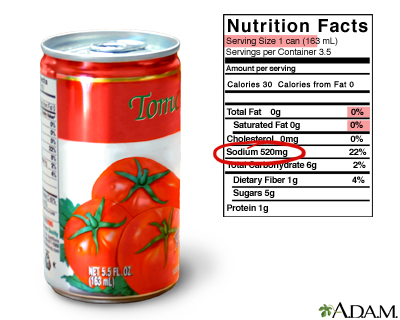
Most packaged foods display a Nutrition Facts label that provides detailed information about their contents per serving size. This label includes information on calories, total fat, cholesterol, carbohydrates – including dietary fiber and sugars – protein, vitamins (if applicable), minerals like calcium and iron (if applicable), as well as sodium content.
When analyzing the nutritional information panel for its sodium content:
1. Look for the serving size: This is crucial as all the information on the label refers to this specified portion.
2. Check the milligrams of sodium per serving: Pay attention to both the absolute amount and how it relates to your recommended daily intake (RDI).
3. Consider the % Daily Value (%DV): The %DV indicates how much of a specific nutrient, in this case, sodium, one serving contributes toward your RDI. Aim for foods that have lower percentages, ideally 5% DV or less for sodium.
Calculating Sodium Intake:
To effectively manage your dietary sodium intake, you need to be mindful of what you eat throughout the day. One high-sodium meal can quickly push you over your recommended limit if not balanced with low-sodium choices later.
Keep track of your total daily sodium intake by recording each food item consumed along with its corresponding sodium content per serving size. By tallying up these values throughout the day, you can assess whether you are approaching or exceeding your recommended limit.
Tips for Reducing Sodium Intake:
1. Cook at home: Preparing meals from scratch allows you to control every ingredient added and minimize hidden sources of sodium.
2. Choose fresh produce: Incorporate more fruits and vegetables into your diet as they are naturally low in sodium.
3. Opt for unsalted options: When buying canned goods like beans or vegetables, choose those labeled “no salt added” or “low sodium.”
4. Read labels carefully: Compare similar products and choose ones with lower amounts of sodium.
5. Rinse canned foods: If using canned goods that aren’t low in salt or no salt added, rinse them under water before cooking to reduce their sodium content.
6. Use herbs and spices instead of salt: Experiment with different flavors like garlic powder, onion flakes, lemon juice, or vinegar to enhance taste without relying on excessive salt.
Conclusion:
Being aware of our sodium intake is crucial to maintaining a healthy diet and preventing health issues. By learning how to read food labels for sodium content, we can make informed decisions about the products we consume. Understanding where sodium hides, interpreting nutritional information accurately, calculating daily intake, and implementing strategies to reduce sodium consumption are all important steps towards leading a healthier lifestyle. Remember, small changes in our eating habits can have a significant impact on our overall well-being.

Leave a Reply