Reading Food Labels for Low Fat Content
Maintaining a healthy and balanced diet is essential for overall well-being. One crucial aspect of healthy eating is monitoring our fat intake. While not all fats are bad, excessive consumption of saturated and trans fats can lead to various health issues, including heart disease and obesity. To make informed choices about the foods we consume, it’s important to know how to read food labels accurately, particularly when aiming for low-fat options.
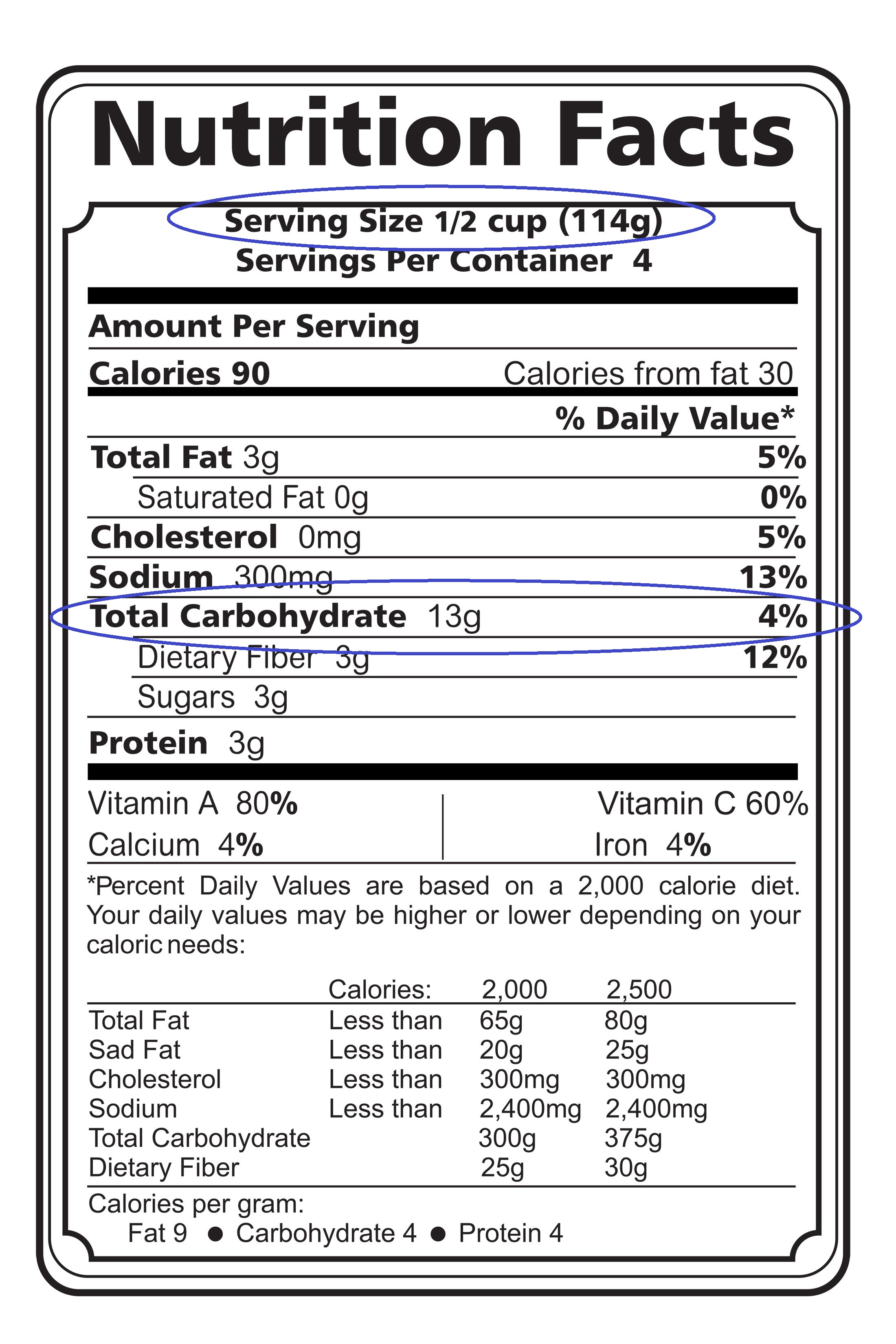
The first step in reading food labels is understanding how fat content is listed. On most food packages, you will find a section called “Nutrition Facts.” Here you will see information about serving size, calories per serving, and the amounts of different nutrients present in the product. The total fat content is usually displayed as grams (g). It’s helpful to remember that 1 gram of fat contains 9 calories.
Next, pay attention to the types of fats mentioned on the label: saturated fats and trans fats are the ones we need to limit in our diets. Saturated fats come mainly from animal sources like meat and dairy products but can also be found in some plant-based oils such as coconut oil or palm oil. Trans fats are often artificially created through a process called hydrogenation and can be found in processed snacks, baked goods, margarine spreads, etc.
When looking at the label’s total fat content per serving size, opt for products that have lower numbers here. Generally speaking, it’s recommended that adults aim for an average daily intake of no more than 70 grams of fat based on a 2,000 calorie diet plan. However, it’s always beneficial to consult with your healthcare provider or a registered dietitian who can personalize these recommendations according to your specific needs.
Besides examining the total fat content alone when trying to choose low-fat options wisely; consider other factors presented on nutrition labels too:
1. Percent Daily Value (% DV): This indicates how much of a particular nutrient is present in one serving compared to the recommended daily intake. For fat, 5% DV or less per serving is considered low and 20% DV or more is high.
2. Unsaturated Fats: These are healthier fats found in foods like avocados, nuts, and olive oil. They can help lower bad cholesterol levels and reduce the risk of heart disease when consumed in moderation. Opt for products that contain higher amounts of unsaturated fats while keeping total fat content low.
3. Cholesterol: High cholesterol levels can contribute to heart disease. Look for labels that indicate zero grams of cholesterol or as close to zero as possible.
4. Ingredients List: Even if a product claims to be “low-fat,” it’s essential to read the ingredients list carefully. Sometimes manufacturers add extra sugar or artificial additives to compensate for flavor when reducing fat content.
In conclusion, reading food labels accurately plays a vital role in making healthy choices and maintaining a low-fat diet plan effectively. By understanding how fats are listed on nutrition labels, paying attention to saturated and trans fats, considering % DV recommendations, focusing on unsaturated fats, watching out for cholesterol levels, and examining ingredients lists; you’ll be well-equipped to choose low-fat options that support your overall health goals with confidence.

Leave a Reply