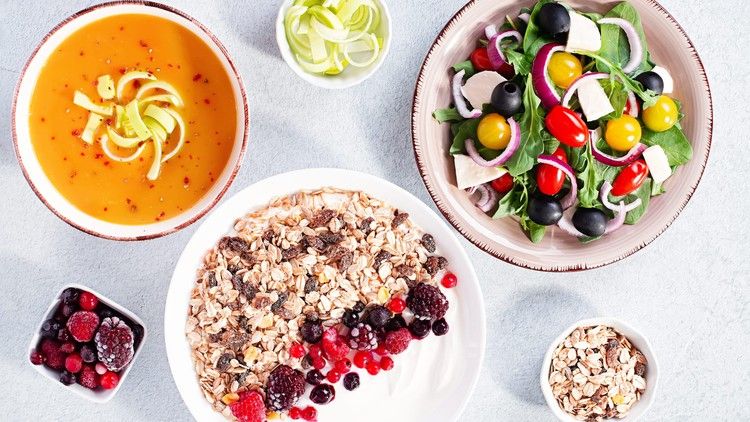
Flexitarianism is a dietary approach that aims to reduce meat consumption while still allowing for some flexibility in including animal products. This style of eating has gained popularity in recent years as people become more conscious about their health and the environmental impact of their food choices. By emphasizing plant-based foods while still enjoying meat and other animal products in moderation, flexitarianism offers a balanced way to support both personal health and sustainability.
If you’re looking to adopt a more flexitarian lifestyle, here are some cooking tips to help you make the transition smoothly:
1. **Embrace Plant-Based Proteins**: Legumes, such as lentils, chickpeas, beans, and tofu, can be excellent sources of protein in a flexitarian diet. Experiment with different ways of preparing these ingredients – from adding black beans to your salads to marinating tofu for stir-fries – to keep your meals exciting and satisfying.
2. **Focus on Whole Grains**: Incorporating whole grains like quinoa, brown rice, farro, and bulgur into your meals not only boosts their nutritional content but also helps you feel full and satisfied. These grains can serve as a hearty base for various dishes or complement your main protein source.
3. **Get Creative with Vegetables**: Make vegetables the star of your plate by exploring different cooking methods like roasting, grilling, sautéing, or steaming. Try incorporating a variety of colors and textures to ensure you’re getting diverse nutrients while keeping things visually appealing.
4. **Experiment with Meat Alternatives**: There are numerous plant-based meat alternatives available on the market today that mimic the taste and texture of traditional meats. Products like veggie burgers, plant-based sausages, and meatless crumbles can be used in place of meat in recipes like tacos, pasta sauces, or sandwiches.
5. **Stock Up on Herbs and Spices**: Enhance the flavors of your dishes without relying heavily on salt or fat by using herbs and spices liberally in your cooking. Fresh herbs like basil, cilantro, parsley along with spices such as cumin, paprika, turmeric can add depth and complexity to vegetarian meals.
6. **Meal Prep for Success**: Planning ahead is key when following any dietary regimen. Dedicate some time each week to meal prep by chopping vegetables, cooking grains/legumes ahead of time or preparing batches of soups/stews that can be easily reheated during busy weekdays.
7. **Educate Yourself on Nutrition**: Understanding how to balance nutrients without relying heavily on animal products is crucial for maintaining good health as a flexitarian eater. Consider consulting with a registered dietitian if needed to ensure you’re meeting all your nutrient requirements through food choices.
8-**Enjoy Treats Mindfully:** While focusing primarily on plant-based foods is beneficial for health reasons,maintaining flexibility means there’s room for occasional indulgences too! Whether it’s enjoying an ice cream cone or savoring a piece of cheese now then remember that moderation is key even within this balanced approach!
In conclusion,Flexitarianism offers individuals an opportunity maintain healthy balance between plant based foods along few animal derived ones.People following this eating pattern have found it sustainable,nutritious,and environmentally friendly.As long one makes conscious efforts include variety fruits ,vegetables ,whole grains ,legumes nuts seeds proteins body will thank them later!

Leave a Reply