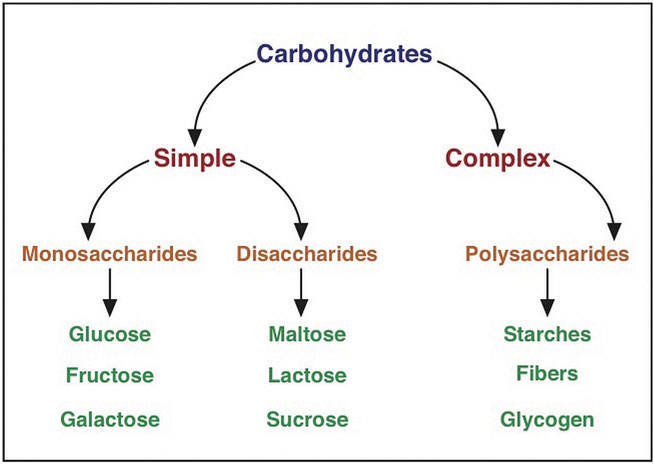
Complex carbohydrates are a crucial component of a balanced and nutritious diet. They provide sustained energy, support digestive health, and play a key role in weight management. In this article, we will delve into the various aspects of complex carbohydrates, from their impact on blood sugar control to their benefits for gut health and weight management.
One important concept related to complex carbohydrates is resistant starch. Resistant starch refers to a type of carbohydrate that resists digestion in the small intestine and reaches the large intestine intact. This unique property makes resistant starch beneficial for gut health as it serves as food for beneficial gut bacteria, promoting a healthy microbiome. Foods high in resistant starch include legumes, unripe bananas, oats, and cooked and cooled potatoes.
When discussing complex carbohydrates, it’s essential to consider the glycemic index (GI) of foods. The GI measures how quickly carbohydrates in food raise blood sugar levels. Complex carbohydrates generally have a lower GI compared to simple sugars, which means they cause a slower and more gradual increase in blood glucose levels. This steady release of energy can help stabilize blood sugar levels and prevent spikes that can lead to cravings and crashes.
Fiber-rich sources of complex carbohydrates are particularly valuable for overall health. Fiber not only aids digestion but also helps with satiety levels by keeping you feeling full longer after meals. Whole grains like quinoa, brown rice, barley, and whole wheat pasta are excellent sources of fiber-rich complex carbs that can promote digestive regularity and support weight management goals.
Athletes often rely on complex carbohydrates to fuel their performance due to their ability to provide lasting energy during physical activity. Carbohydrates stored in muscles as glycogen serve as an essential energy source during exercise. Consuming complex carbs before workouts can help replenish glycogen stores and optimize performance while supporting post-exercise recovery.
The impact of cooking methods on complex carbohydrates is worth noting when preparing meals. Overcooking certain starchy foods may break down their complex structure into simpler sugars or reduce their fiber content. To preserve the nutritional quality of complex carbs during cooking, opt for methods like steaming or baking instead of deep-frying or prolonged boiling.
Ancient grains like quinoa, amaranth, teff, farro, spelt, and kamut offer an array of nutrient-dense complex carbohydrates that have been consumed for centuries in various traditional cuisines around the world. These grains are rich in fiber, protein, vitamins, minerals like iron and magnesium – making them valuable additions to a balanced diet.
For individuals looking to manage their weight effectively,
incorporating ample amounts of whole grain breads,
pasta made from whole wheat flour,
brown rice,
and other whole grains into meals can aid
in creating feelings
of fullness thanks
to their high fiber content.
Additionally,
the slow release
of energy from these foods
can help regulate appetite
and prevent overeating throughout the day.
By choosing whole grain options over refined grains,
individuals can make more nutritious choices
that support overall well-being.
In gluten-free diets where traditional sources of gluten-containing grains such as wheat are avoided,
complex carbohydrate options like brown rice,
quinoa,
buckwheat,
and millet become vital staples.
These naturally gluten-free alternatives offer an array
of nutrients while providing sustained energy
throughout the day without causing spikes
in blood sugar levels.
Including these diverse options ensures individuals following gluten-free diets receive adequate nutrition
while enjoying tasty meal choices.
Gut health is closely linked with consumption
of fermentable fibers found within certain types
of complex carbohydrates.
These fibers serve as prebiotics – compounds that nourish beneficial bacteria within the gut microbiota.
By fostering the growth
of good bacteria such as Bifidobacteria
and Lactobacilli through prebiotic-rich foods like onions,
garlic,
leeks,and chicory root individuals
can enhance digestive function,reduc inflammation,and strengthen immunity.
Sprouted grains represent another beneficial form
of consuming complex carbs.Sprouting involves soaking grains until they germinate,resulting in increased enzymatic activity,nutrient availability,and digestibility.In addition,sprouted grains may contain higher levels o antioxidants,polyphenols,and amino acidscomparedtotheir non-sprouted counterparts.Optingfor sproutedgrainsorproductslike sproutedbread,cereal,mayenhance thenutritionalprofileoftyourcarbohydrateintake.
Incorporating ancient traditions into modern-day eating habits has numerous advantages from both nutritional cultural perspectives.The consumption offamiliar dishes rootedwithin historical practices not only provides sustenancebut alsoconnectsus tobthe richheritagethesefoods carry.Every bite becomesa journey through time,a waytounderstandour ancestors’ relationships withfood ,land,biodiversityas well asthewaystheynurturedtheir bodiesandsouls.
Polyphenols are plant-based compounds knownfortheir antioxidant properties.Theyarefoundinvariouscomplexcarbohydratefoods likewholegrains,fresh fruits vegetables,nutsseeds.Theseantioxidantsplayanimportantroleinfightingoxidativedamagecausedbyfree radicalsupportingskinhealthimmunefunction.Polyphenolrichfoodsaddnutritionalvalue toyourdietwhileprotectingcellsfrom environmentalstressors.
Certain typesoffiber-richcomplexcarbohydratesalsoserveasanexcellentsource o prebiotics.Prebioticsareindigestible substances that stimulategrowtho beneficia bacteriainthegutmicrobiotapromotingdigestivehealthimmunesupport.Byincludingfoodslikelegumes,onions,gartomatoes,yogurtpreparationscontainingliveculturesinto yourdietyoucanfosteragoodbalanceo bacteriainyourguttoreaptherwards o improveddigestionoverallwellbeing.
To summarize,the role o com plex carbohyrates extendsfar beyond simply beinga sourceoenergy.Complexcarbsplayavitalpart innourishingour bodiespromotingoptimalhealthwhetheritbeitby supportingbloodsugarcontrolenhancingguthealth aidingweightmanagementortailoringnutrition needsathletes.Throughunderstandingthediversebenefitsassociatedwithconsumingo comp lex carbohydratessuchaswholegrainslegumescertainfruitsvegetableswe cangraspthepowerfulimpactthesefoods hav eonour overallwellness.Through incorporatingthesehealthychoicesintoour dailydietswe cansustainourselvesensurealonglastingfoundationfo rgoodheal th.
In conclusion,it’s clearthatcomple x c ar bohydratesar eanessentialcomponentoa healt hydietprovid ingnumerousbenefitsfrommicrobialbalancetoweightmanagemen t.B ys electivelychoosingwholesomeoptionsrich infiberpolyphenolsprebioticpropertieswecane nhanceseveralaspectsofourhealthwhiledeliciouslyenjoyingvariedmeal srootedintraditionalfavoritesorinnovativeculinarycreations.Ultimately,makingc onsciousdecisionsaboutcomple x carbohydratess upportawell-rounde dn utritionplanthatcaterstoourov erallwell-beinginanarrayo fway s.

Leave a Reply