Collagen is a protein that plays a crucial role in various aspects of our health, particularly in maintaining the integrity and strength of our connective tissues. One important area where collagen has been gaining attention is its impact on gut health. Collagen contains specific amino acids like glycine, proline, and glutamine which are known for supporting gut lining integrity and digestion. This can help with issues such as leaky gut syndrome and gastrointestinal discomfort.
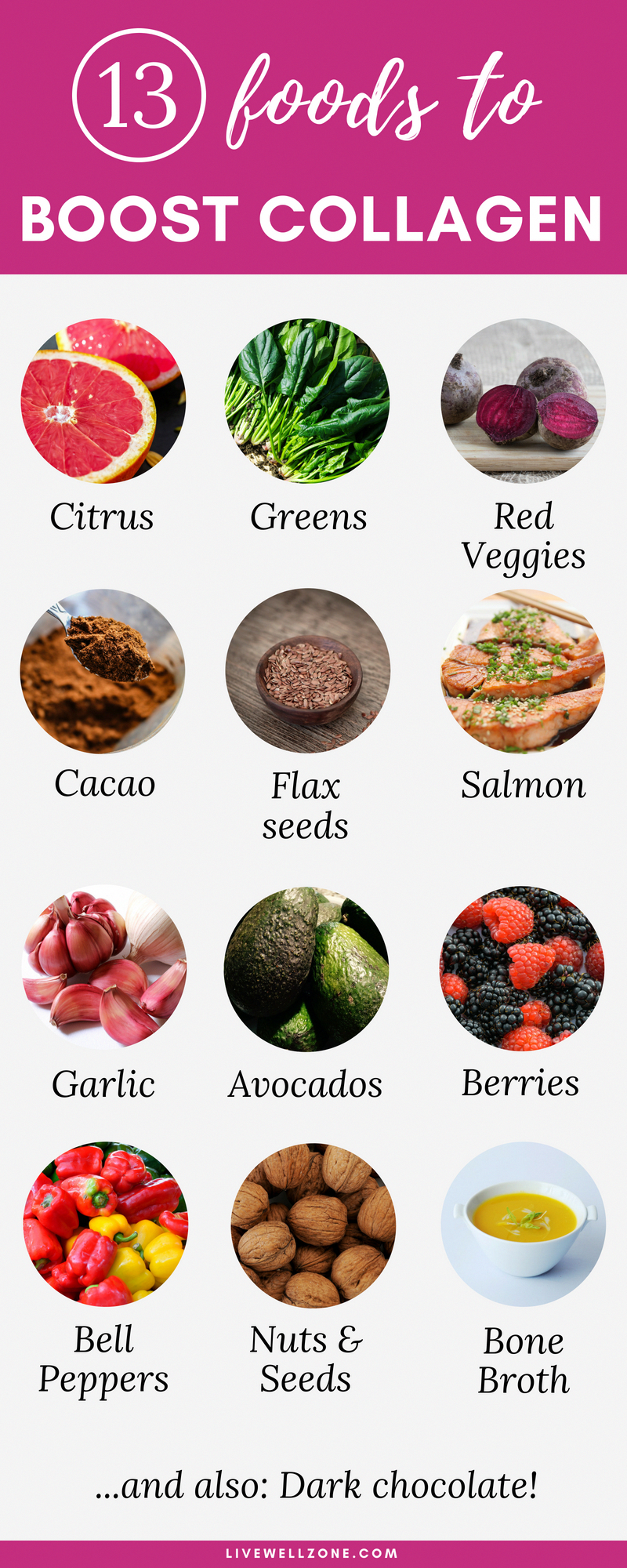
For those following plant-based diets, obtaining collagen directly from food sources may be challenging since it is primarily found in animal products like meat and bone broth. However, there are plant-based alternatives available such as consuming foods rich in vitamin C, which plays a key role in collagen synthesis within the body.
Collagen is also widely recognized for its benefits in joint pain relief due to its ability to help maintain cartilage health and reduce inflammation. Many studies have shown that collagen supplementation can improve joint function and alleviate symptoms of osteoarthritis.
When it comes to hair health, collagen helps strengthen hair follicles, improve hair growth, and prevent breakage. Similarly, collagen contributes to nail strength by promoting their growth and preventing brittleness.
In terms of weight management, collagen has been shown to promote feelings of fullness which can aid in reducing overall calorie intake. Additionally, collagen has a positive impact on skin elasticity by helping to maintain hydration levels and supporting the structure of the skin.
For bone health, collagen provides the framework for mineral deposition which strengthens bones. It also aids in muscle recovery post-exercise by supporting muscle repair processes.
Marine collagen offers unique benefits as it is easily absorbed due to its smaller particle size compared to bovine (cow) collagen. Marine collagen is sourced from fish scales or skin and is known for its bioavailability.
Collagen peptides are hydrolyzed forms of collagen that are broken down into smaller molecules making them easier for the body to absorb. This enhances their effectiveness when used as supplements or added into recipes.
Whether through supplements or incorporating natural sources like homemade bone broths or stews into traditional cuisines, there are multiple ways to include more collagen-rich foods into your diet.
Vegan sources of collage include soy products, legumes, nuts/seeds like almonds & chia seeds; fruits such as kiwi & oranges; vegetables like bell peppers & tomatoes; whole grains including oats & quinoa – all enriched with Vitamin C necessary for optimal production.

Leave a Reply