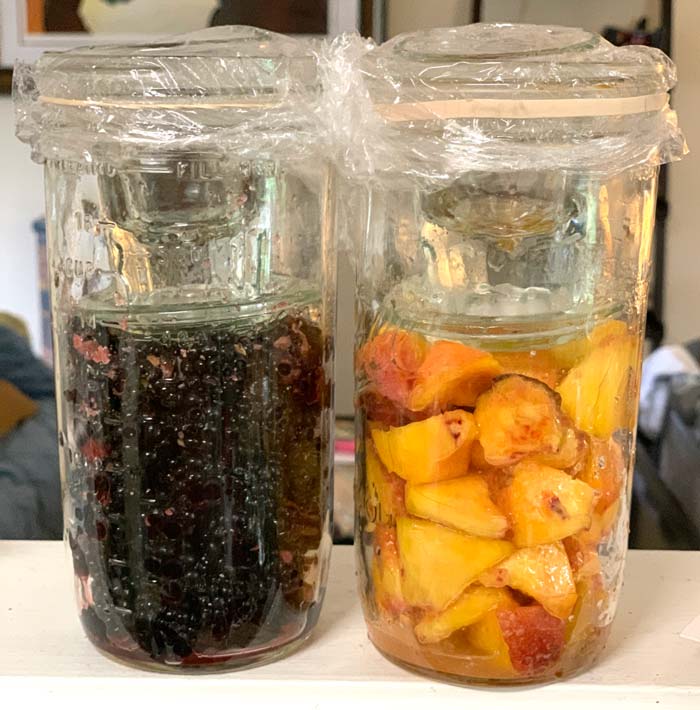
Lacto-fermented fruits are a delicious and nutritious way to add probiotics to your diet while enjoying the natural sweetness of fresh fruit. This traditional preservation method not only enhances the flavor of fruits but also increases their nutrient content.
To make lacto-fermented fruits, all you need are fresh fruits, water, salt, and a clean glass jar. Start by washing and chopping your favorite fruits into bite-sized pieces. Place the fruit in the jar, leaving some space at the top. In a separate container, mix water with salt to create a brine solution. Pour the brine over the fruit until it is completely submerged. Cover the jar loosely with a lid or cloth to allow gases to escape during fermentation.
The magic of lacto-fermentation happens when beneficial bacteria naturally present on the surface of fruits convert sugars into lactic acid through anaerobic fermentation. This process not only preserves the fruit but also creates a tangy flavor profile that pairs beautifully with its natural sweetness.
After about 3-7 days at room temperature, depending on your preference for taste and texture, your lacto-fermented fruits will be ready to eat. Enjoy them as a standalone snack, mix them into yogurt or salads, or use them as toppings for oatmeal or desserts.
In addition to being tasty and versatile, lacto-fermented fruits offer numerous health benefits. They are rich in probiotics that support gut health and boost immunity. The fermentation process also increases vitamin levels in fruits, making them even more nutrient-dense.
So next time you have an abundance of ripe fruit on hand, consider trying your hand at lacto-fermenting them for a flavorful and nutritious treat that your body will thank you for!

Leave a Reply