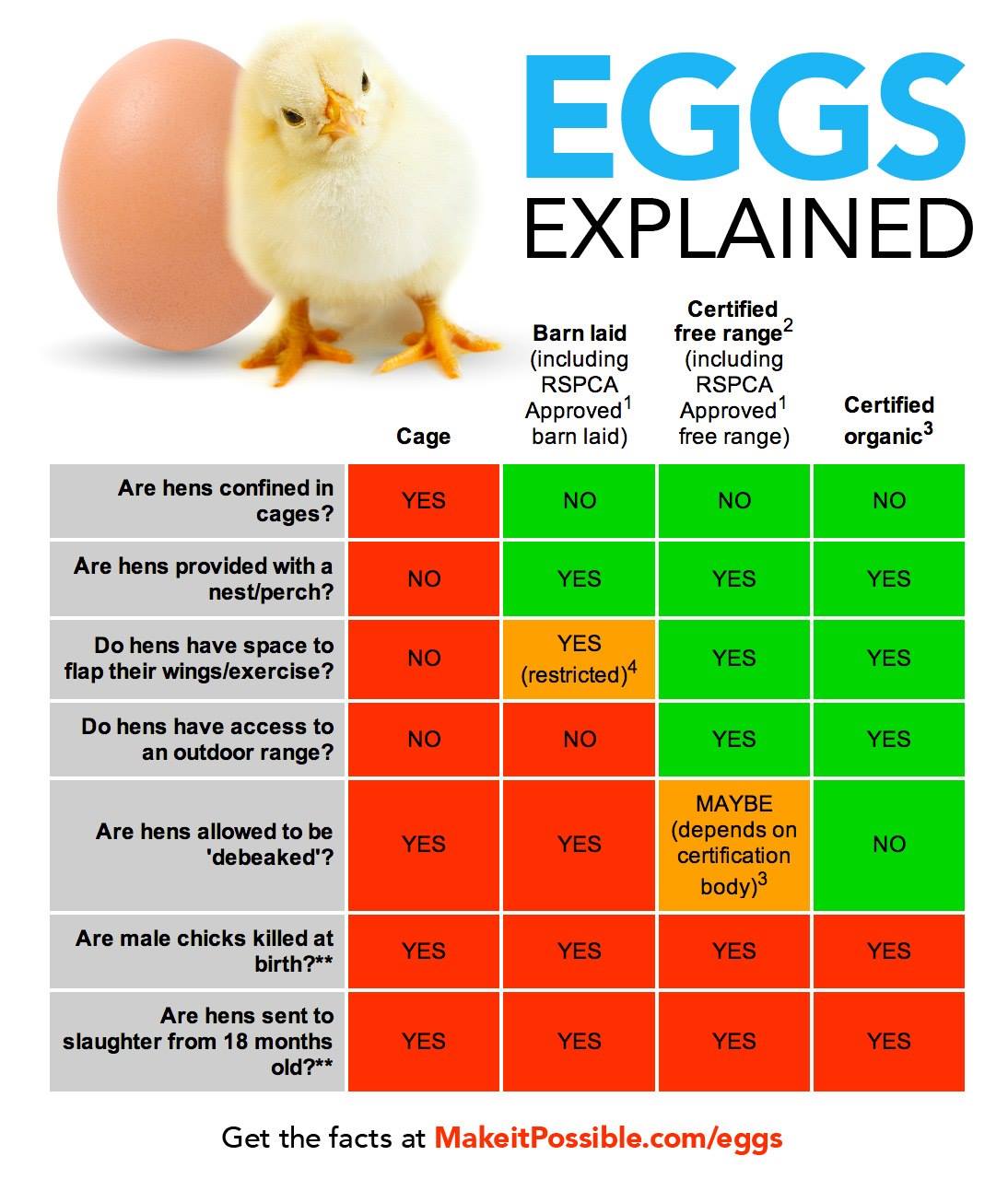
When it comes to eggs, not all are created equal. Free-range eggs have gained popularity in recent years due to their numerous benefits, both nutritionally and ethically. Unlike conventional eggs that come from chickens raised in crowded cages, free-range eggs are laid by hens that have access to the outdoors and are able to roam freely. This increased space and ability for the hens to exhibit natural behaviors lead to a healthier lifestyle for the chickens which ultimately translates into better quality eggs.
Nutritionally speaking, free-range eggs tend to have higher levels of certain nutrients compared to conventional eggs. Studies have shown that free-range eggs contain more vitamins A, E, and D as well as omega-3 fatty acids. Omega-3 fatty acids are essential for heart health and brain function, making free-range eggs a great addition to a balanced diet.
When choosing the best free-range eggs, it’s important to look for certifications such as “Certified Humane” or “Pasture-Raised” on the carton. These labels ensure that the hens were raised according to specific welfare standards. Additionally, purchasing from local sources like farmers markets or directly from farms can also guarantee fresher and higher quality eggs.
In terms of production methods, free-range egg farming focuses on providing a more natural environment for the hens. This includes giving them access to outdoor areas where they can graze on grass and insects along with their feed. Sustainable practices such as rotating pastures help maintain soil fertility and reduce environmental impact.
One common misconception is about eggshell color – it doesn’t affect nutritional value but rather indicates the breed of hen that laid the egg. Free-range hens can produce brown or white-shelled eggs depending on their genetics.
Cooking with free-range eggs opens up a world of possibilities due to their rich flavor profile and vibrant yolks. From classic dishes like omelets and quiches to baked goods such as cakes and cookies, using free-range eggs can elevate your culinary creations.
Storing free-range eggs properly is key in maintaining their freshness and taste. It’s recommended to keep them refrigerated at 45 degrees Fahrenheit or lower in their original carton with the pointed end facing down. Avoid storing them near strong-smelling foods as they can absorb odors easily.
In conclusion, incorporating free-range eggs into your diet not only benefits your health but also supports ethical animal farming practices. By being mindful of where you source your food from and understanding production methods, you can make informed choices that align with your values while enjoying delicious meals enriched by high-quality ingredients like free-range eggs.

Leave a Reply