Gluten-free baking has gained popularity in recent years as more people are becoming aware of gluten sensitivities or choosing to follow a gluten-free diet for health reasons. For those who need to avoid gluten, whether due to celiac disease, a wheat allergy, or non-celiac gluten sensitivity, finding delicious and satisfying baked goods can sometimes be a challenge. However, with the right ingredients and techniques, it is possible to create amazing gluten-free treats that everyone can enjoy.
One of the key challenges when it comes to gluten-free baking is achieving the right texture and structure in your baked goods. This can be particularly difficult without the presence of gluten, which provides elasticity and helps bind ingredients together. To overcome this hurdle, many alternative flours and binders are used in gluten-free recipes.
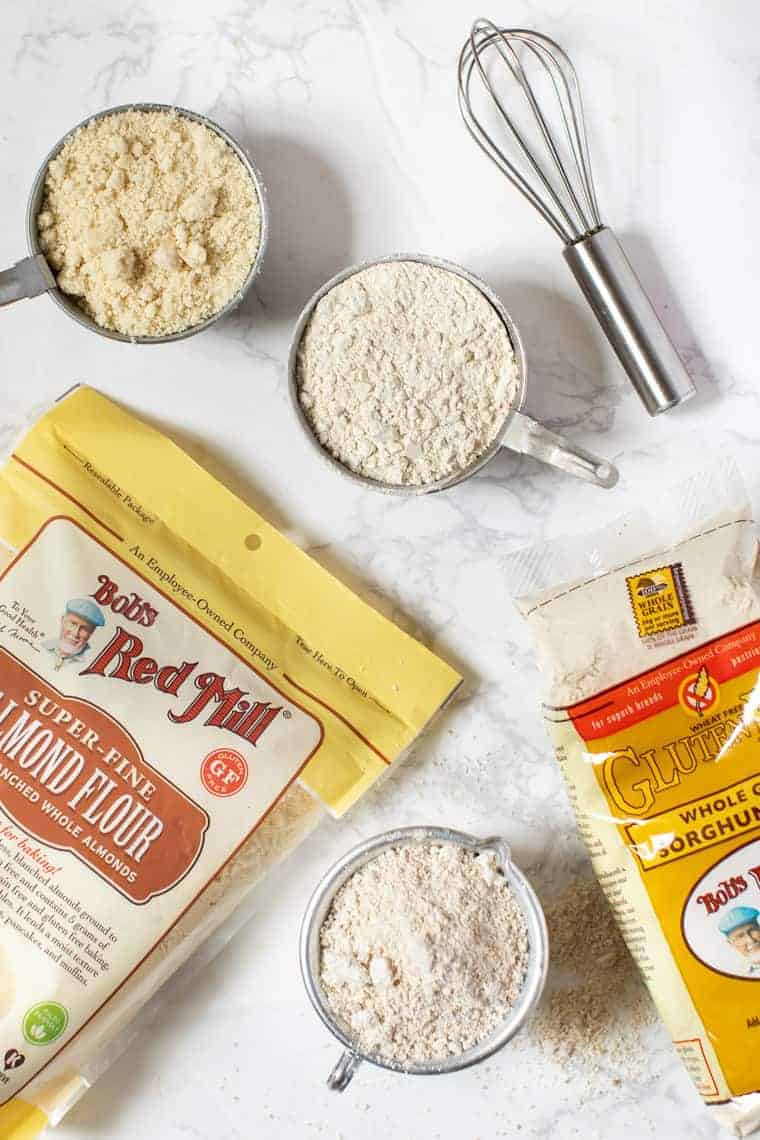
When it comes to flour alternatives for gluten-free baking, there are several options available. Some popular choices include almond flour, coconut flour, rice flour, tapioca flour/starch, sorghum flour, buckwheat flour (despite its name), millet flour, quinoa flour, and chickpea (garbanzo bean) flour. Each type of flour has its own unique flavor profile and characteristics that can work well in certain types of baked goods.
Almond flour is one of the most commonly used flours in gluten-free baking due to its mild flavor and ability to create moist and tender baked goods. Coconut flour is another popular choice that adds a subtle sweetness and light texture to recipes. Rice flour works well as a base for many recipes but may require additional binders like xanthan gum or guar gum to improve texture.
In addition to alternative flours, there are also various binding agents that can help hold your baked goods together in the absence of gluten. Xanthan gum is often used as a binder in gluten-free baking because it mimics some of the properties of gluten by adding elasticity and structure to doughs and batters. Guar gum is another common binder that helps improve texture by trapping air bubbles during mixing.
When it comes to creating successful gluten-free baked goods at home, it’s essential not only to choose the right ingredients but also to pay attention to technique. Mixing methods can vary depending on the recipe – some may require creaming butter with sugar for cookies while others might call for gently folding whipped egg whites into batter for cakes.
It’s also important not to overmix batters or doughs made with alternative flours since they lack the stretchiness provided by traditional wheat-based products – overmixing could result in a tough final product rather than a tender crumb.
Another tip for successful gluten-free baking is ensuring proper hydration levels in your recipes since different types of alternative flours absorb moisture differently compared with wheat-based flours. Adding extra liquid or using ingredients like applesauce or yogurt can help keep your baked goods from becoming too dry.
Experimentation is key when it comes to mastering gluten-free baking – don’t be afraid to try out different combinations of alternative flours or binding agents until you find what works best for you. With practice and patience, you’ll soon be able…

Leave a Reply