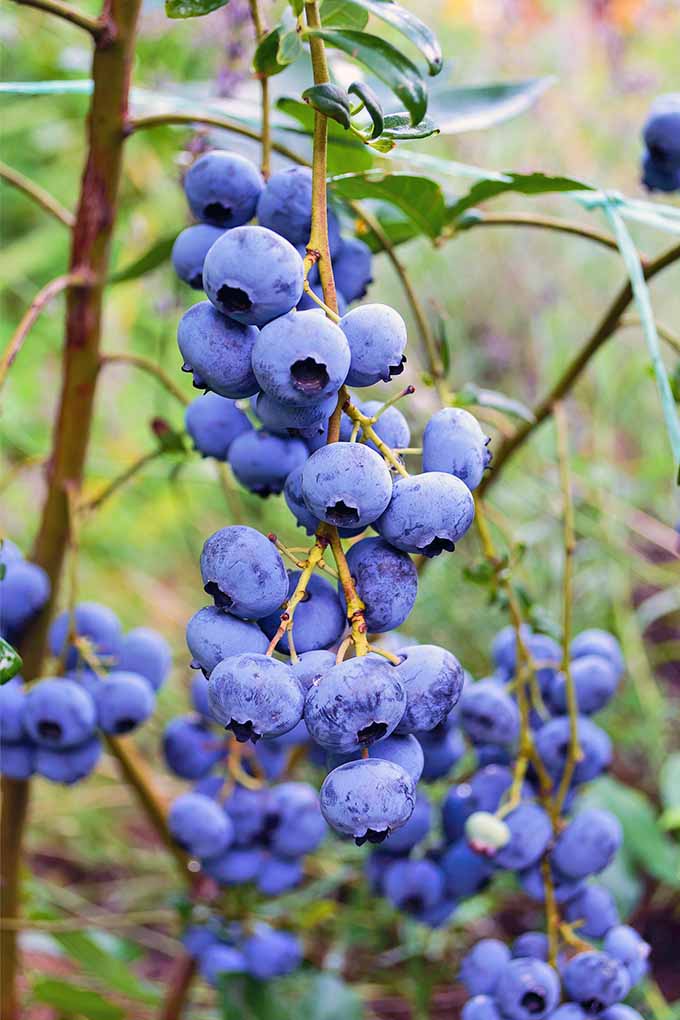
Blueberries are not only delicious but also packed with nutrients and health benefits. They come in different varieties, each offering a unique flavor profile. Some popular blueberry varieties include the highbush, lowbush (wild), and rabbiteye blueberries.
Blueberries are known for their sweet and slightly tangy flavor, making them a versatile ingredient in various dishes. When it comes to nutrition, blueberries are low in calories but high in fiber, vitamin C, vitamin K, and manganese. They are also rich in antioxidants like flavonoids, which have been linked to numerous health benefits.
Antioxidants play a crucial role in fighting oxidative stress and reducing inflammation in the body. Regular consumption of blueberries has been associated with improved brain function, heart health, and reduced risk of chronic diseases like cancer.
Incorporating blueberries into your diet can be both delicious and nutritious. For breakfast options, you can add fresh blueberries to yogurt or oatmeal for a boost of flavor and nutrients. Blueberry smoothies are another great way to start your day on a healthy note – simply blend fresh or frozen blueberries with your favorite fruits and liquids for a refreshing drink.
When it comes to desserts, you can enjoy the sweetness of blueberries without added sugars by making compotes or fruit salads with them. Blueberry skincare products have gained popularity due to the berry’s antioxidant properties that help protect the skin from damage caused by free radicals.
Blueberry tea is another delightful way to enjoy this fruit while reaping its benefits without added sugars commonly found in commercial beverages. Making homemade blueberry jam is a fun activity that allows you to preserve the fruit’s goodness for year-round enjoyment.
Whether fresh or frozen, both forms of blueberries offer similar nutritional benefits; however, freezing may slightly affect their texture when thawed. Growing your own blueberries at home ensures access to organic produce while enjoying the process of cultivating these plants.
For those following vegan diets, incorporating blueberries provides essential vitamins and minerals naturally found in plant-based foods while adding variety to meals. Dried blueberries make convenient snacks or toppings for salads and baked goods – they retain much of their nutritional value despite being shriveled up!
When choosing between organic or conventionally grown blueberries, consider factors like pesticide exposure as conventional farming methods may leave residues on fruits. Preserving surplus berries through freezing or drying enables you to enjoy them throughout the year even when they’re out of season locally.
The history of blueberries dates back centuries as Native Americans were known to use them for both food and medicinal purposes before European settlers discovered their culinary potential. Today’s innovative uses for this versatile fruit continue to showcase its adaptability beyond traditional applications.

Leave a Reply