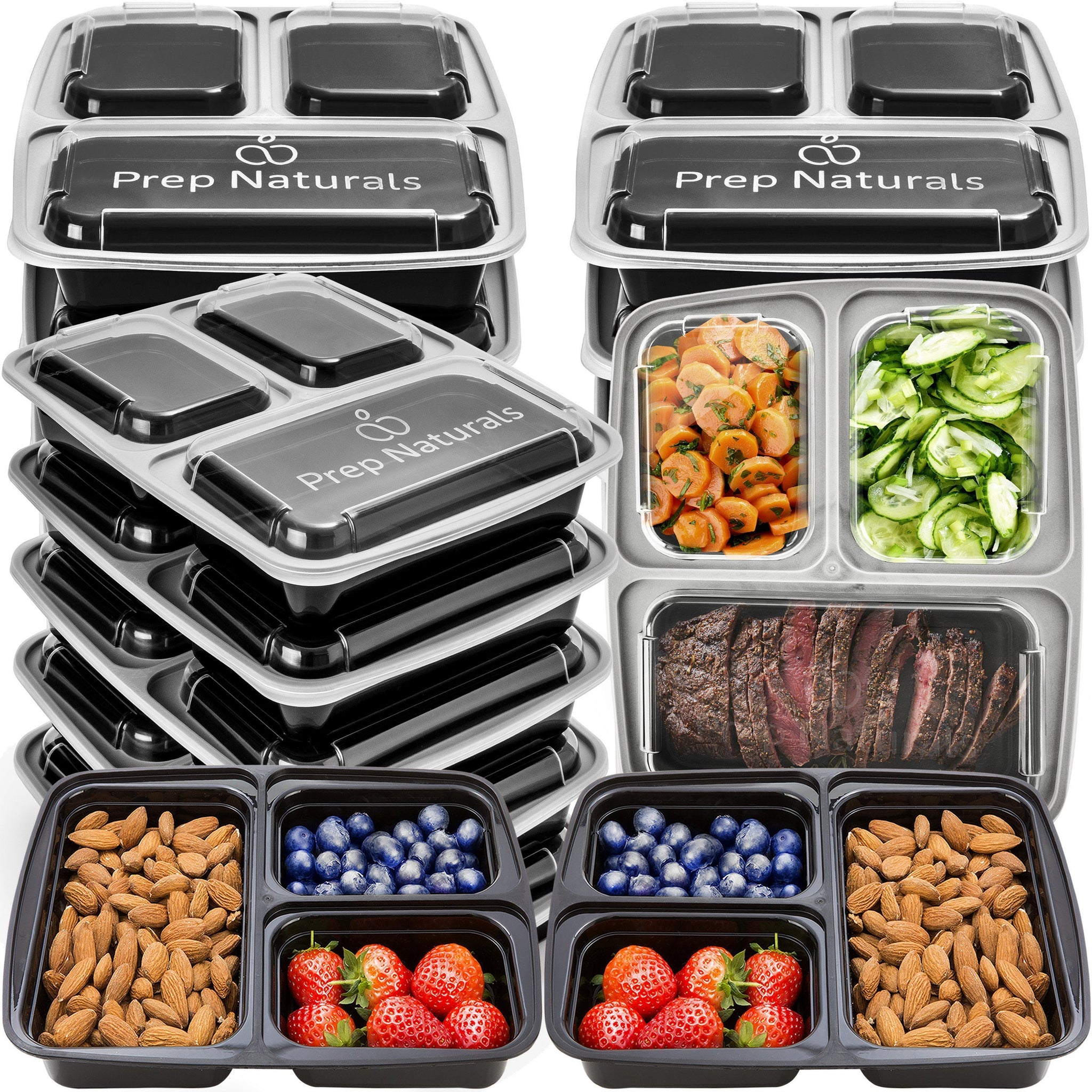
Meal prep has become a popular trend in recent years, and for good reason. Not only does it save time during the busy workweek, but it can also be a great way to save money on food expenses. By planning and preparing your meals ahead of time, you can avoid the temptation of eating out or ordering takeout, which can quickly add up in cost.
One of the main benefits of meal prepping for cost savings is that it allows you to buy ingredients in bulk, which is often cheaper than purchasing individual items. When you plan out your meals for the week and create a shopping list based on those recipes, you can buy larger quantities of items such as grains, proteins, and vegetables at lower prices. This not only reduces your overall grocery bill but also minimizes food waste since you are using up all the ingredients you purchased.
Another way meal prep helps save money is by reducing impulse purchases at the grocery store. When we shop hungry or without a plan, we tend to throw extra items into our carts that we may not actually need. By going to the store with a specific list of ingredients for your planned meals, you can stick to what you need and avoid unnecessary spending on snacks or convenience foods.
In addition to saving money on groceries, meal prepping can also help cut down on dining out expenses. When you have healthy and delicious meals already prepared at home, there is less incentive to order takeout or go out to eat. Bringing your own lunch to work instead of buying it every day can result in significant savings over time.
For those who are new to meal prep or unsure where to start, there are several tips that can help make the process easier and more cost-effective:
1. Plan Your Meals: Take some time each week to decide what recipes you want to make for breakfasts, lunches, dinners, and snacks. Look for recipes that use similar ingredients so that you can buy in bulk and reduce waste.
2. Make a Shopping List: Based on your meal plan, create a detailed shopping list with all the ingredients you will need for the week. Stick to this list when at the store to avoid overspending.
3. Cook in Bulk: Choose one day per week (such as Sunday) to dedicate several hours to cooking multiple servings of your chosen recipes. This will save time during busy weekdays and ensure that you always have something ready-to-eat.
4. Invest in Quality Containers: To keep your prepped meals fresh and organized throughout the week, invest in high-quality containers that are microwave-safe and stackable for easy storage.
5. Get Creative with Leftovers: Don’t be afraid to repurpose leftovers into new dishes or use them as components of future meals. For example, roasted vegetables from dinner could be added to salads or grain bowls for lunch.
Overall Meal Prep is an excellent strategy not only for saving time but also money when it comes
to eating healthy regularly while sticking within budget constraints!

Leave a Reply