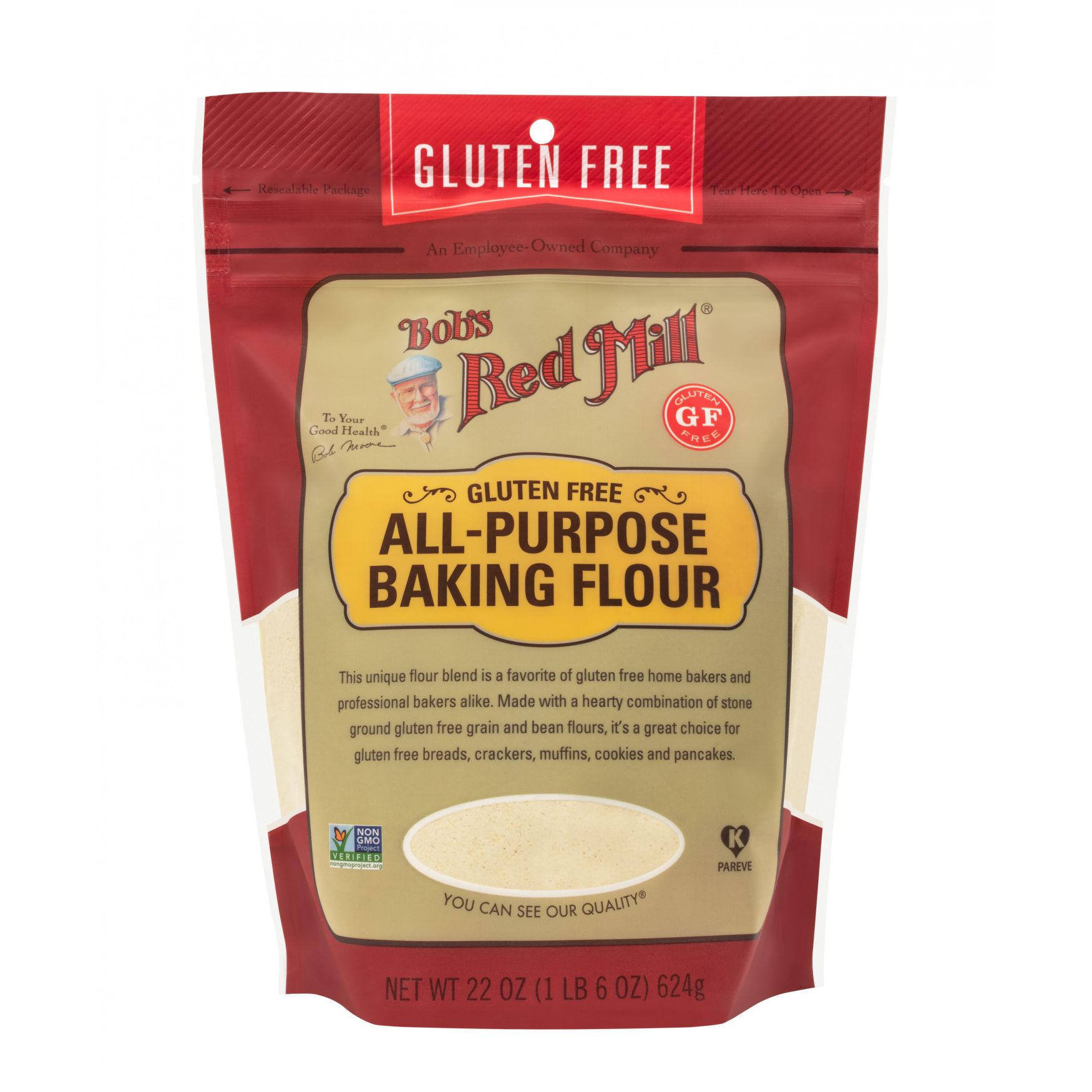
Gluten-free baking tips:
For those who are sensitive to gluten or have celiac disease, navigating the world of baking can be a bit challenging. However, with some helpful tips and tricks, you can still enjoy delicious baked goods without the gluten. Here are some gluten-free baking tips to help you create tasty treats in your own kitchen:
1. Use gluten-free flours: When it comes to gluten-free baking, using the right flour is key. There are many different types of gluten-free flours available, such as almond flour, coconut flour, rice flour, and tapioca flour. Experiment with different combinations to find the perfect texture and flavor for your baked goods.
2. Add xanthan gum or guar gum: Gluten is what gives baked goods their structure and elasticity. To mimic this effect in gluten-free baking, add xanthan gum or guar gum to your recipes. These ingredients help bind the ingredients together and prevent your baked goods from becoming crumbly.
3. Increase leavening agents: Since gluten helps baked goods rise and hold their shape, you may need to increase the amount of leavening agents in your recipes when baking gluten-free. Baking powder and baking soda can help give your treats that light and airy texture they might otherwise lack without gluten.
4. Substitute dairy milk with non-dairy alternatives: If you’re lactose intolerant or following a dairy-free diet along with being gluten-free, consider using non-dairy milks like almond milk, coconut milk, or oat milk in your recipes instead of regular cow’s milk.
5. Check labels carefully: When buying ingredients for your gluten-free baking adventures, always double-check labels to ensure that they are indeed free from any hidden sources of gluten.
6. Invest in separate utensils and equipment: To avoid cross-contamination while baking at home, it’s a good idea to have separate utensils (such as mixing bowls and measuring cups) that are designated specifically for your gluten-free creations.
7. Get creative with flavors: Being limited by certain dietary restrictions doesn’t mean you have to be limited in flavor! Experiment with different spices, extracts, fruits, nuts, and seeds to add depth and complexity to your baked goods.
8. Practice patience: Gluten-free baking often requires a bit more trial-and-error than traditional baking since there may be adjustments needed based on each recipe’s specific requirements – so don’t get discouraged if things don’t turn out perfectly on the first try!
By following these tips and experimenting with various techniques and ingredients in the kitchen, you can enjoy all the delights of homemade baked goods without worrying about any unwanted side effects from consuming gluten.

Leave a Reply