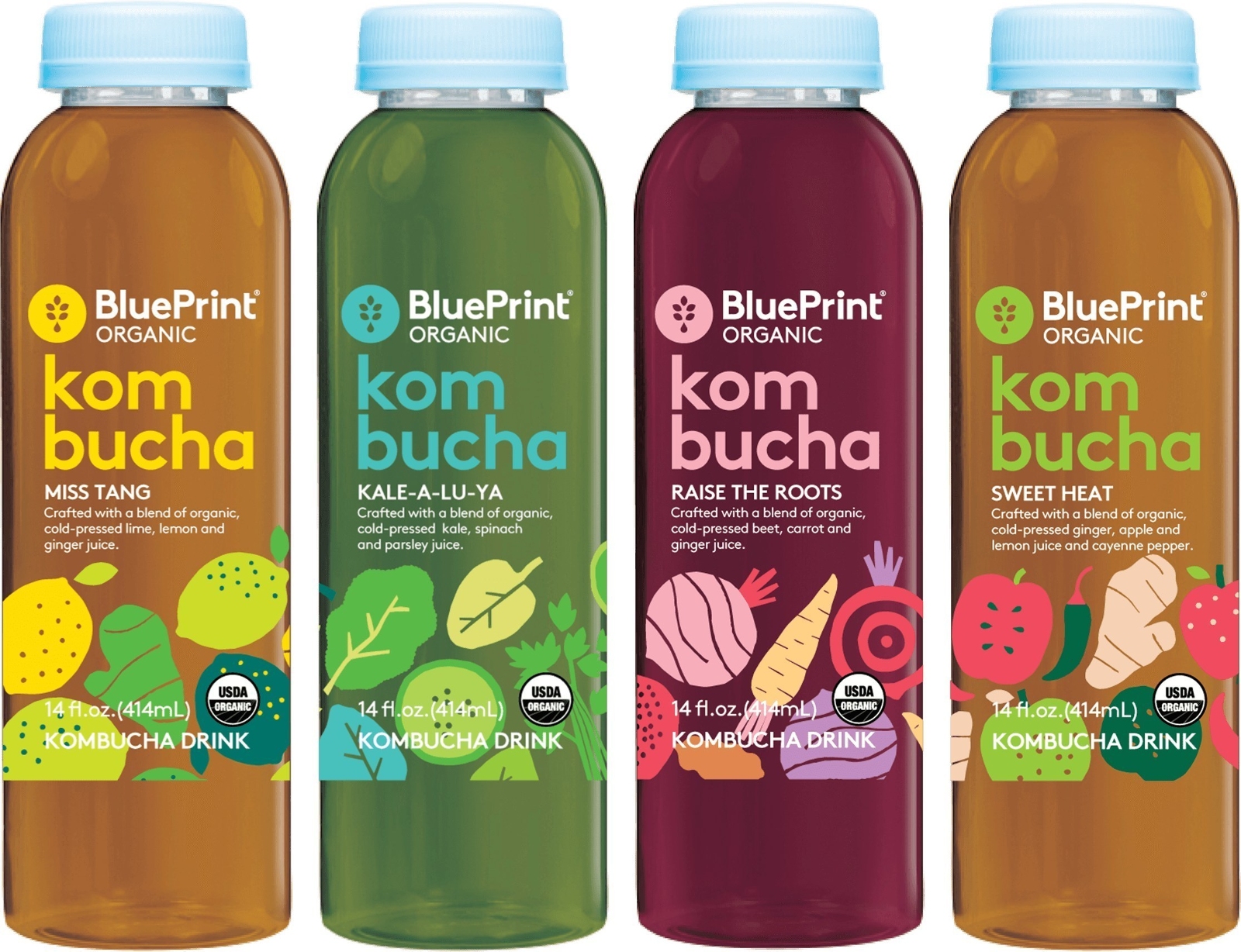
Kombucha, a fermented tea drink with ancient roots, has gained popularity worldwide for its potential health benefits and unique flavors. Let’s take a look at how this probiotic-rich beverage is enjoyed in different parts of the world.
Traditional Russian kombucha, known as “chaynyy grib” or tea mushroom, has been consumed for centuries. The culture involves fermenting black tea with sugar and a symbiotic culture of bacteria and yeast (SCOBY). Russians traditionally enjoy kombucha as a refreshing drink that may aid digestion and boost immunity.
In Japan, kombucha culture is deeply intertwined with the country’s reverence for nature and traditional healing practices. Japanese kombucha brewers often use high-quality green teas like sencha or matcha to create a delicate and slightly sweet brew. Kombucha is appreciated not only for its potential health benefits but also for its nuanced flavors.
South Korea offers a unique twist on kombucha with their version called “bokbunja.” This variation includes the addition of Korean black raspberries, which impart a deep red color and rich fruity flavor to the drink. Bokbunja kombucha is celebrated for its antioxidant properties and delightful taste profile.
China boasts diverse regional variations of kombucha, each reflecting local ingredients and culinary traditions. From Sichuan pepper-infused brews to jasmine flower-infused blends, Chinese kombuchas offer an array of aromatic profiles that appeal to different palates. In China, kombucha is enjoyed both for its potential health benefits and cultural significance in ceremonies.
European countries have embraced the global trend of brewing homemade kombucha using locally sourced ingredients. Variations like lavender-infused French kombuchas or German chamomile-infused blends showcase the continent’s commitment to artisanal craftsmanship and creative flavor combinations. European consumers appreciate kombucha not only as a wellness elixir but also as an expression of culinary artistry.
India has seen a resurgence in traditional fermentation practices with homemade “jal jeera” flavored kombuchas gaining popularity. These tangy concoctions blend spices like cumin, ginger, mint, and tamarind with black tea to create a refreshing probiotic drink that complements Indian cuisine perfectly. Kombucha brewing workshops are becoming increasingly popular across India as more people seek out gut-friendly beverages.
In Africa, inspired by indigenous ingredients like hibiscus flowers or baobab fruit pulp, artisanal kombuchas are emerging as flavorful alternatives to sugary sodas. These exotic flavors offer consumers a taste of African botanical richness while promoting gut health through natural fermentation processes.
Latin American countries infuse their vibrant cultural heritage into their approach to making kombuchas by incorporating tropical fruits like passionfruit or guava into their recipes. These fruity variations add zesty notes to the probiotic-rich base while celebrating Latin American gastronomy traditions.
Australia’s thriving wellness scene has embraced innovative techniques such as cold-pressed juice blends mixed with fermented teas to create uniquely flavored kombuchas infused with native botanicals like eucalyptus or lemon myrtle leaves…
The Middle East showcases its own take on fermented beverages through Persian-inspired rose water or saffron-infused komboochas that offer floral aromatics reminiscent of ancient spice routes…
North America leads the way in experimenting with unconventional ingredients such as turmeric-laced golden brews or maple syrup-kissed varieties that cater to diverse consumer preferences…
Scandinavian countries honor their Nordic roots by incorporating wild berries like lingonberries or sea buckthorn into their artisanal batches…

Leave a Reply