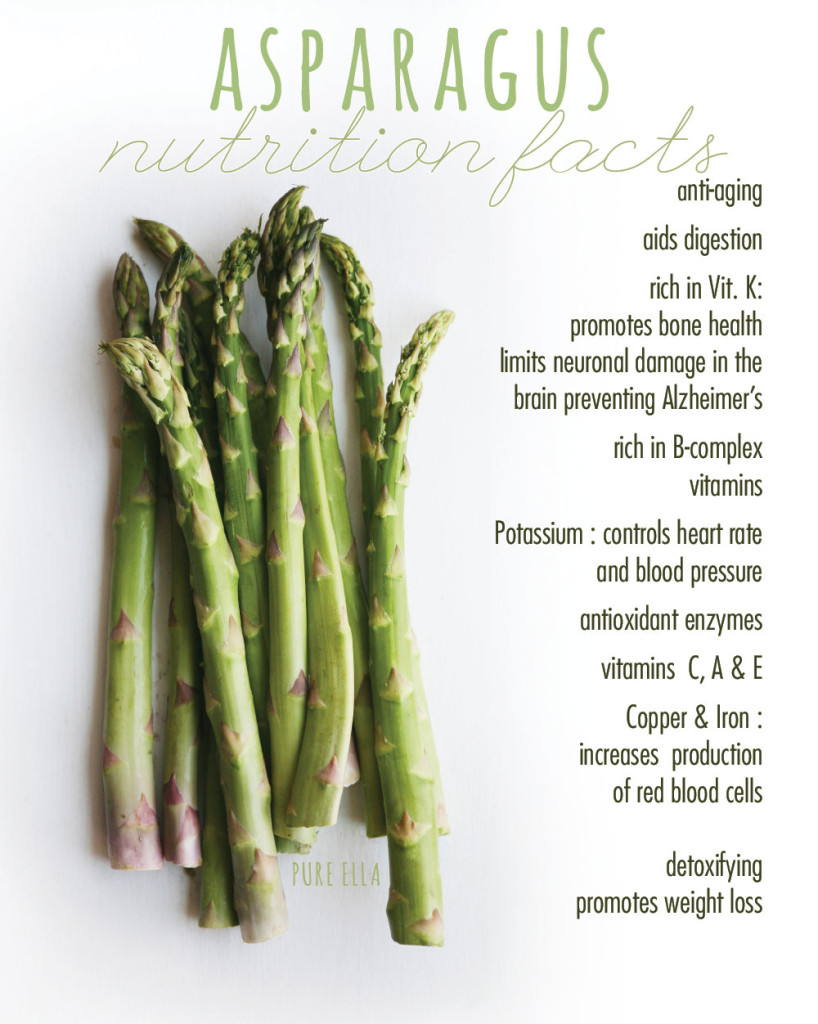
Asparagus is a popular vegetable known for its unique taste and numerous health benefits. This green, spear-shaped veggie is not only delicious but also packed with essential nutrients that can contribute to your overall well-being. Let’s take a closer look at the nutrition facts of asparagus:
1. Low in Calories: Asparagus is a low-calorie food, making it an excellent choice for those looking to manage their weight or maintain a healthy diet. One cup of cooked asparagus contains only about 40 calories, making it a great option for filling up on essential nutrients without worrying about excessive caloric intake.
2. Rich in Fiber: Asparagus is an excellent source of dietary fiber, which plays a crucial role in digestive health and helps promote feelings of fullness and satiety. Fiber can also aid in regulating blood sugar levels and cholesterol levels, making it an important component of a balanced diet.
3. Packed with Vitamins and Minerals: Asparagus is loaded with essential vitamins and minerals that are vital for various bodily functions. It is particularly high in vitamin K, which is necessary for proper blood clotting and bone health. Additionally, asparagus provides significant amounts of vitamins A, C, E, and B vitamins like folate (vitamin B9), all of which play key roles in supporting overall health.
4. Antioxidant Properties: Asparagus contains antioxidants such as vitamin E and glutathione that help protect cells from damage caused by free radicals. These antioxidants may help reduce the risk of chronic diseases such as heart disease, cancer, and inflammation.
5. Supports Digestive Health: The fiber content in asparagus supports digestive health by promoting regular bowel movements and preventing constipation. Additionally, asparagus contains prebiotics that serve as fuel for beneficial gut bacteria, further enhancing gut health.
6. Anti-Inflammatory Benefits: Asparagus contains phytonutrients such as saponins and flavonoids that possess anti-inflammatory properties. Consuming foods rich in these compounds may help reduce inflammation in the body and lower the risk of chronic diseases associated with inflammation.
7. Weight Management: Due to its low calorie content and high fiber density, incorporating asparagus into your meals can support weight management efforts by helping you feel full while consuming fewer calories.
Incorporating asparagus into your diet can be a simple way to boost your nutrient intake while enjoying its unique flavor profile. Whether steamed, roasted, grilled or added to salads or stir-fries – there are countless ways to enjoy this versatile vegetable while reaping its many nutritional benefits.

Leave a Reply