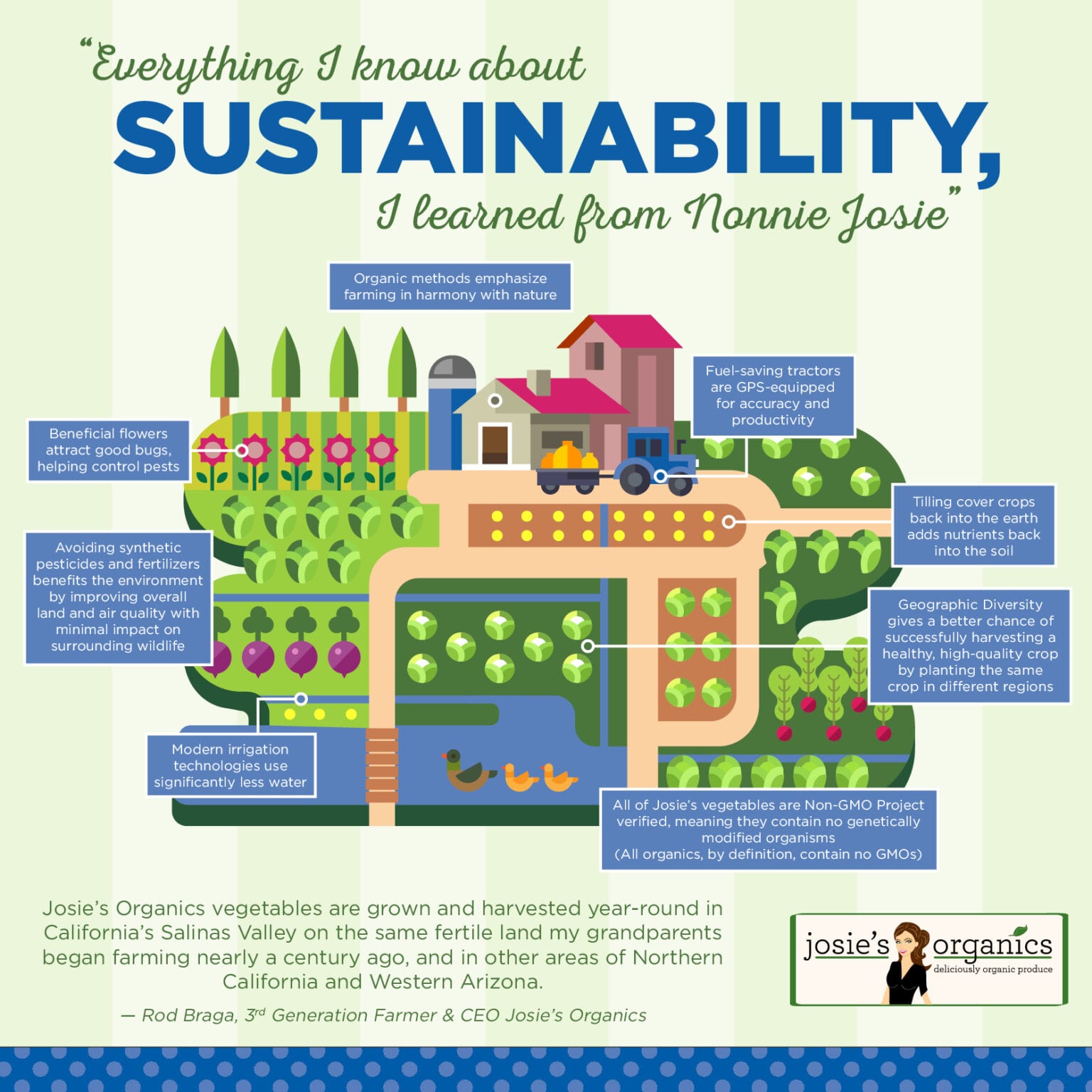
Sustainable farming practices have become increasingly popular in recent years as people become more conscious of the impact of food production on the environment. These methods focus on maintaining soil fertility, conserving water, reducing pollution, and promoting biodiversity. By implementing sustainable farming practices, farmers can not only protect the environment but also produce healthier crops and support local communities.
One key aspect of sustainable farming is crop rotation. Instead of planting the same crop year after year, farmers rotate different crops to prevent depletion of nutrients in the soil. This helps maintain soil fertility and reduces the need for synthetic fertilizers. Crop rotation also helps control pests and disease outbreaks by disrupting their life cycles.
Another important practice in sustainable farming is cover cropping. Cover crops are planted between main crops to protect and improve the soil. They help prevent erosion, suppress weeds, add organic matter to the soil, and enhance its structure. Popular cover crops include legumes like clover or vetch that fix nitrogen in the soil naturally.
No-till or reduced tillage is another sustainable farming technique that minimizes soil disturbance by avoiding plowing before planting. This helps preserve soil structure and moisture content while reducing erosion. No-till farming also sequesters carbon in the soil, helping mitigate climate change by reducing greenhouse gas emissions.
Integrating livestock into crop production is a common practice in sustainable agriculture known as agroecology. Livestock can provide natural fertilizer through their manure while grazing on cover crops or crop residues helps manage weeds and pests organically. This holistic approach mimics natural ecosystems where plants and animals coexist symbiotically.
Water conservation is crucial for sustainable farming practices, especially in regions facing water scarcity. Drip irrigation systems deliver water directly to plant roots, minimizing evaporation and runoff compared to traditional overhead sprinklers. Rainwater harvesting techniques like building swales or ponds can capture rainwater for irrigation during dry periods.
Agroforestry combines trees with agricultural crops or livestock to create diverse ecosystems that benefit both farmers and the environment. Trees provide shade for livestock, improve soil fertility through leaf litter decomposition, act as windbreaks to reduce erosion, and sequester carbon from the atmosphere.
Permaculture principles guide sustainable farming practices by designing agricultural systems based on natural patterns and relationships within ecosystems. By observing nature’s processes like nutrient cycling or succession over time, farmers can create self-sustaining food production systems that require minimal input while maximizing output.
Community-supported agriculture (CSA) models connect consumers directly with local farmers who grow their food using sustainable practices. By subscribing to a CSA program, individuals support small-scale farms while receiving fresh produce harvested at peak ripeness without long-distance transportation emissions associated with conventional supply chains.
Organic farming certification ensures that farmers adhere to strict guidelines prohibiting synthetic pesticides or genetically modified organisms (GMOs). Organic agriculture promotes biodiversity by avoiding chemical inputs harmful to pollinators like bees while protecting human health from pesticide residues commonly found in conventionally grown foods.
Regenerative agriculture goes beyond sustainability by aiming to restore degraded lands back to health through holistic land management practices focused on improving ecosystem functions such as water infiltration or carbon storage capacity.
By nurturing healthy soils teeming with beneficial microbes through composting organic matter instead of relying on chemical fertilizers derived from fossil fuels,
regenerative agriculture builds resilience against climate change impacts like droughts or floods while enhancing biodiversity across landscapes.
In conclusion,
adopting sustainable farming practices benefits both farmers
and consumers alike
by producing nutritious food
while safeguarding precious natural resources for future generations.
By supporting local farms committed
to environmental stewardship,
we can all play a part
in shaping a more resilient
and regenerative food system
that nourishes our bodies
and sustains our planet for years to come.

Leave a Reply