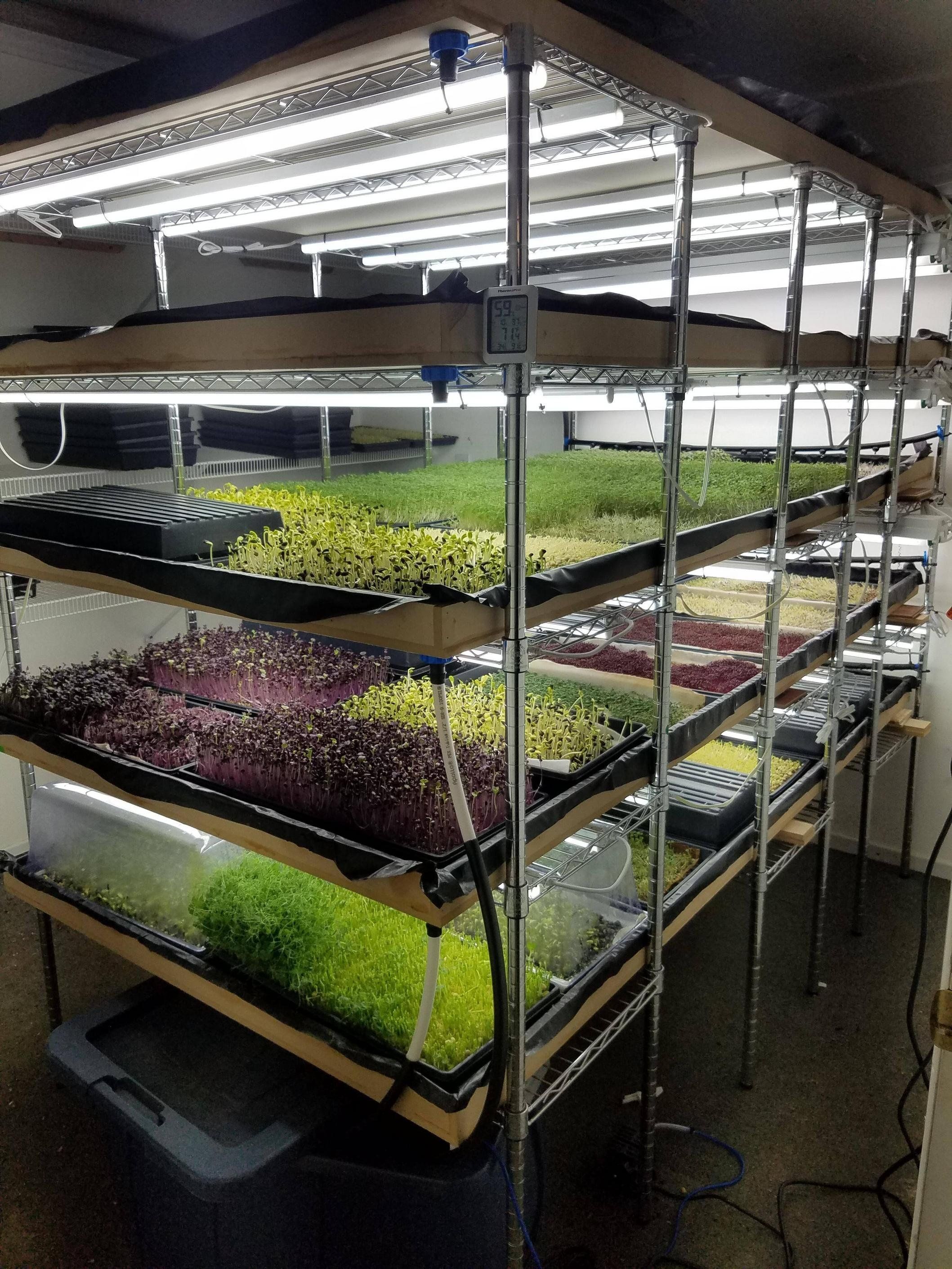
Microgreens have been gaining popularity in the culinary world for their intense flavors, vibrant colors, and impressive nutritional profiles. These tiny edible greens are harvested at an early stage of growth, typically one to three weeks after germination when the first true leaves appear. Despite their small size, microgreens pack a powerful punch in terms of taste and nutrients.
Growing microgreens at home or on a larger scale is not only rewarding but also a sustainable practice that can benefit both individuals and the environment. In this article, we will explore some techniques for cultivating microgreens and discuss sustainability practices that can be implemented to minimize waste and maximize efficiency.
1. Choosing Seeds:
Selecting high-quality seeds is crucial for successful microgreen cultivation. Look for organic seeds from reputable suppliers to ensure they are free from pesticides or other harmful chemicals. Popular choices for microgreens include radish, broccoli, sunflower, pea shoots, arugula, and kale.
2. Growing Medium:
There are several options for growing mediums when it comes to cultivating microgreens. Common choices include soil, coco coir (coconut fiber), peat moss, vermiculite, or hydroponic mats. Soil is a traditional option that provides essential nutrients for plant growth, while hydroponic mats offer a soil-free alternative that can help reduce mess and potential contamination.
3. Planting:
Fill a shallow tray with your chosen growing medium to a depth of about 1-2 inches. Moisten the medium thoroughly without making it waterlogged before evenly spreading the seeds over the surface. Lightly press down on the seeds to ensure good contact with the growing medium.
4. Light and Temperature:
Microgreens require ample sunlight or artificial light sources such as grow lights to thrive during their short growth cycle. Place trays near a sunny window or under grow lights for 12-16 hours per day to promote healthy growth. Maintaining an optimal temperature between 60-75°F (15-24°C) will also aid in seed germination and overall development.
5.Watering:
Proper watering is essential for healthy microgreen growth but overwatering should be avoided as it can lead to mold or rot issues. Use a spray bottle or gentle watering can with a fine rose attachment to water your trays regularly once or twice daily depending on environmental conditions.
6.Harvesting:
Most microgreens are ready to harvest within 7-21 days after planting depending on the variety grown.Once true leaves have emerged and reached desired heights of 1-3 inches tall using clean scissors cut just above soil level allowing you yo enjoy fresh tasty greens
Sustainability Practices:
1.Composting:
One way to reduce waste in microgreen farming is by composting any leftover plant material including roots stems & unsused portions To turn them into valuable nutrient-rich compost that can be used again in your garden helping close loop system
2.Recycling Water:
Collect excess runoff water from watering trays & reuse it back reducing wastage & conserving resources This practice helps conserve water while supporting plant health & reducing environmental impact
3.Reusable Materials:
Opt For reusable trays containers instead of single-use plastic ones Choose durable materials like bamboo ceramic glass metal etc That can withstand repeated use thus cutting down on unnecessary waste production
4.Educational Initiatives:
Share knowledge about Microgreen farming gardening techniques sustainable practices with others through workshops seminars social media posts etc Encourage community engagement involvement promoting eco-conscious behaviors among people
By incorporating these techniques into your microgreen farming practices you not only reap benefits personally such as enjoying fresh nutritious greens year-round but also contribute towards building healthier more sustainable food systems benefiting our planet & future generations

Leave a Reply