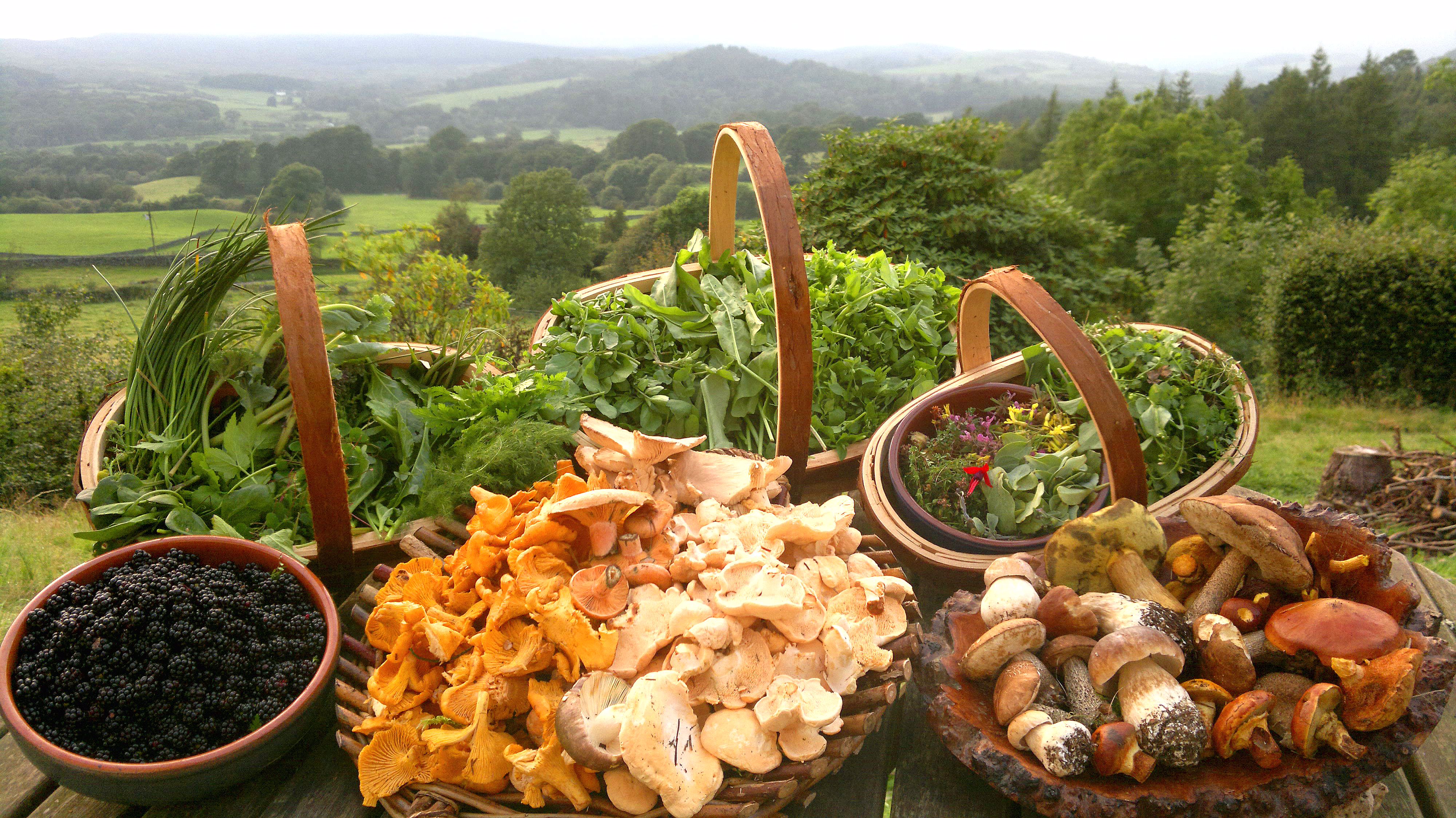
Foraged foods have been gaining popularity in recent years, as more people are looking to reconnect with nature and adopt a more sustainable approach to their diets. Foraging involves gathering wild plants, mushrooms, and other edible items from the natural environment. These foraged foods are not only nutritious but also offer a unique and diverse array of flavors that can add depth and interest to your meals.
One of the key benefits of foraged foods is their freshness and purity. Since they are harvested directly from the wild, without any chemicals or additives, foraged foods are often considered to be more nutrient-dense than their cultivated counterparts. Wild plants tend to be richer in vitamins, minerals, antioxidants, and phytonutrients that support overall health and well-being. By incorporating these wild edibles into your diet, you can boost your nutrient intake and enjoy a wider variety of beneficial compounds that may not be present in conventionally grown produce.
Foraging also promotes environmental stewardship by encouraging individuals to develop a deeper connection with the land around them. When done responsibly and sustainably, foraging can help reduce food waste by utilizing resources that would otherwise go unused. It also fosters an appreciation for the natural world and encourages conservation efforts to protect wild habitats and biodiversity. By supporting local ecosystems through mindful foraging practices, we can contribute to healthier environments for both ourselves and future generations.
In addition to their nutritional value and environmental benefits, foraged foods offer a sense of adventure and discovery in the kitchen. Experimenting with new ingredients like wild greens, berries, nuts, or mushrooms can inspire creativity in meal preparation and expand your culinary repertoire. Foragers often develop a keen eye for identifying edible plants in the wild, honing their knowledge of seasonal availability and optimal harvesting techniques. This hands-on approach to sourcing food can deepen your understanding of where our food comes from while cultivating a greater respect for nature’s abundance.
While foraging can be a rewarding practice both personally and gastronomically speaking, it is essential to proceed with caution when harvesting wild edibles. Not all plants found in nature are safe or suitable for consumption; some may be toxic if ingested or could negatively impact delicate ecosystems if over-harvested. It’s crucial to educate yourself on proper identification methods before venturing out into the wilderness in search of wild foods. Consider joining guided foraging tours led by experienced experts or consulting reputable field guides specific to your region to ensure a safe and enjoyable experience.
In conclusion,”foraged” doesn’t just mean free food—it means connecting with our environment on another level while improving our nutrition at the same time!

Leave a Reply