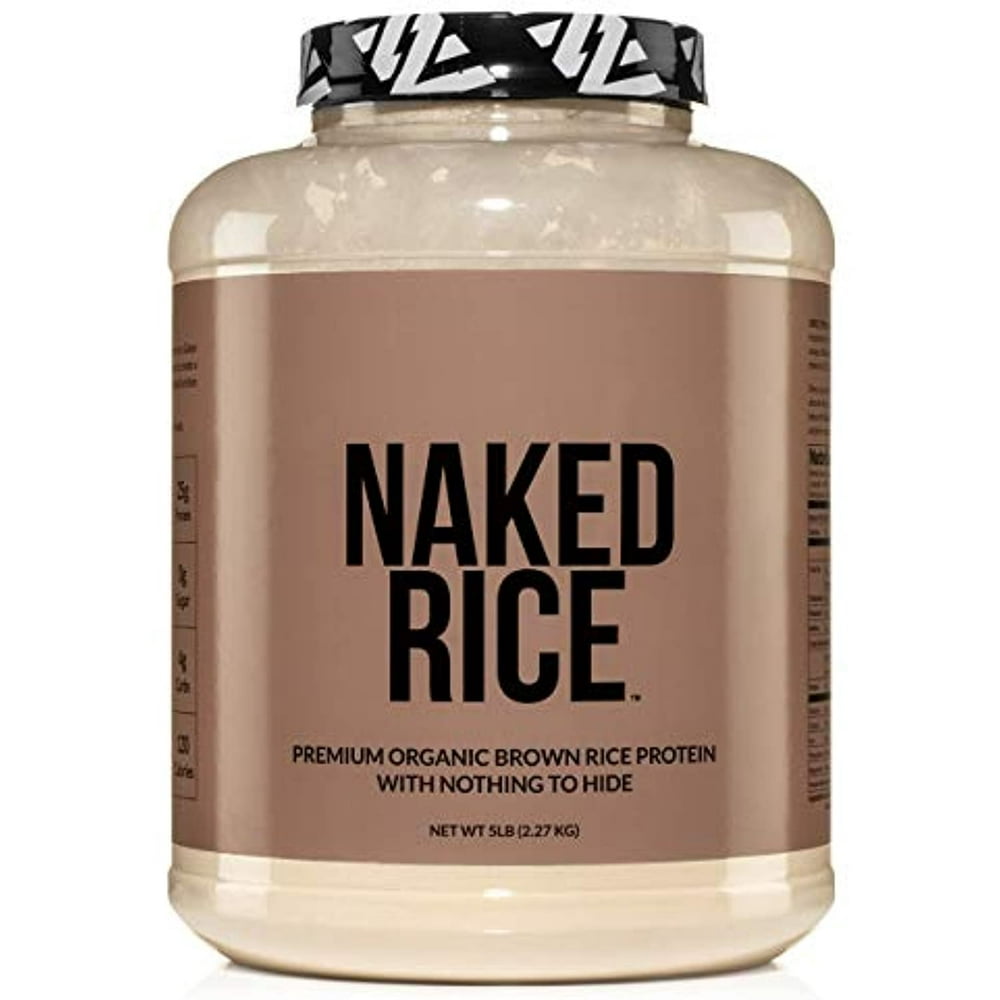
Rice protein is a plant-based protein powder derived from brown rice. It has gained popularity in recent years as a suitable alternative to animal-based proteins like whey or casein. Rice protein offers numerous benefits for those looking to increase their protein intake, whether for fitness purposes, weight management, or dietary restrictions. In this article, we will delve into the details of rice protein, including its nutritional profile, health benefits, potential drawbacks, and how to incorporate it into your diet effectively.
**Nutritional Profile**
Rice protein is made by isolating the protein component from brown rice grains. This process involves grinding the rice into a fine powder and then treating it with enzymes to separate the carbohydrates and fiber from the protein. The result is a high-protein powder that typically contains around 80-90% pure protein by weight.
In addition to being an excellent source of plant-based protein, rice protein also provides essential amino acids necessary for muscle growth and repair. While some plant-based proteins may be lacking in certain amino acids, rice protein is considered a complete protein source because it contains all nine essential amino acids that the body cannot produce on its own.
One of the key advantages of rice protein is that it is hypoallergenic and easily digestible compared to other types of proteins like soy or dairy. This makes it an ideal choice for individuals with food sensitivities or allergies.
**Health Benefits**
1. **Muscle Growth and Repair**: Protein is crucial for building and repairing muscle tissue after exercise. Rice protein can help support muscle growth when consumed as part of a balanced diet along with regular physical activity.
2. **Weight Management**: High-protein diets have been linked to increased feelings of fullness and reduced calorie intake, which can aid in weight loss or maintenance efforts.
3. **Heart Health**: Plant-based proteins like rice protein are generally lower in saturated fat than animal-based proteins, making them heart-friendly choices for individuals looking to improve their cardiovascular health.
4. **Digestive Health**: As mentioned earlier, rice protein is easily digestible and less likely to cause digestive upset compared to other types of proteins that may contain lactose or allergens.
5. **Blood Sugar Control**: Some research suggests that consuming plant-based proteins like rice protein may help regulate blood sugar levels due to their lower glycemic index compared to carbohydrate-rich foods.
**Potential Drawbacks**
While there are many benefits associated with consuming rice protein, there are also some potential drawbacks worth considering:
1. **Incomplete Nutrient Profile**: While rice protein does contain all nine essential amino acids needed by the body, it may not provide as robust a nutrient profile as other sources like whey or casein which contain additional nutrients such as calcium or B vitamins.
2. **Lower Digestibility Score**: Rice protein has shown slightly lower digestibility scores compared to other plant-based proteins like pea or hemp due to its composition; however this varies among individuals so experimentation might be necessary if you experience digestive issues with this type of supplement
3 .**Taste and Texture:** Some people find that rice
protein powders have a gritty texture
or earthy flavor when mixed with water
or unsweetened beverages.
4 .**Heavy Metals Contamination:**
Because brown ce naturally absorbs arsenic
from soil more efficiently than other crops,
rice based products tend 10 have higher levels
of heavv metals such as arsenic.
It’s important 10 choose brands thai test
for heavy metals content
and opt tor organic varieties when possible
5 .**Cost:** Rice protetn supplements can be more expensive than ocher forms ot proteim dependmg on brand qualityand sourcing practices
It’s importantto weigh these factors against your personal preferences
health goals,and any dietary restrictions wher considering incorporating rise protetninto your routine
How To Incorporate Rise Proteln Into Your Diet:
There are several ways you can include race protem mto your daily routine:
1.Addingit t0Smoothies: Blend race proternpowder wth fruits vegetables nut butter md liquid (such ass almond milk)fora quickand easywayto boostyour dalryprotemcontent
2.Baking: Youcan use rneprotentopreplacepartofthe flour m recipes tor baked goods suchas muffms cookiesor pancakesThiscanincrease meprotein contentoithe final productwhile addinga moisttexturean{!spongeness Dependingonthe recipeyoumay needtoproperlyadjustthe amountotliqutd ingredientsasaDDitional moisture maybe requirecHWhen usingrnesprotentlntaks caret

Leave a Reply