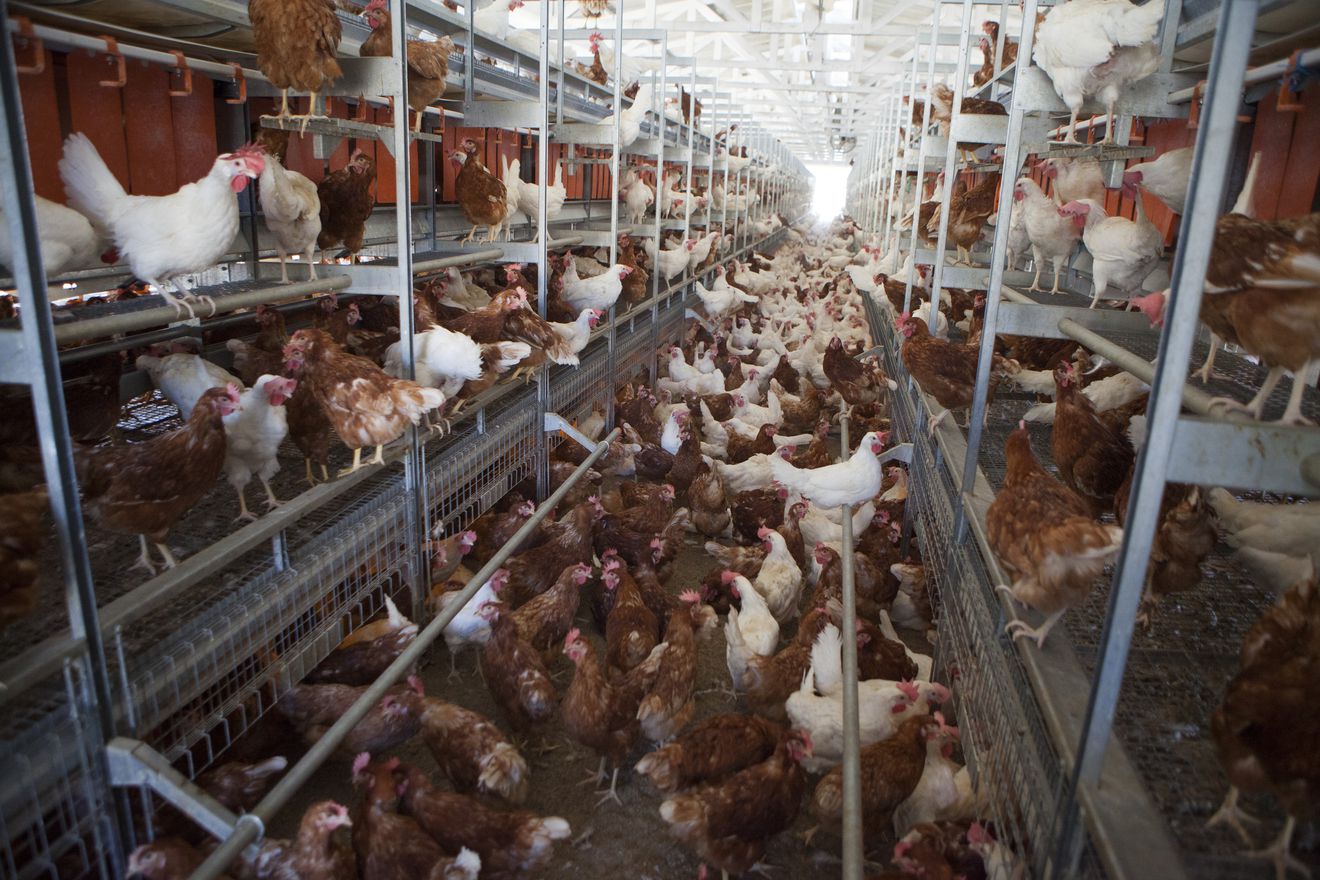
Eggs are a staple ingredient in many diets around the world, providing a versatile source of protein and essential nutrients. However, not all eggs are created equal when it comes to ethical and sustainable practices in egg production. Cage-free eggs have gained popularity in recent years as consumers become more conscious about the welfare of animals and the environmental impact of food production.
Cage-free eggs come from hens that are not confined to small cages but instead have the ability to roam freely within a barn or enclosed area. This allows the hens to exhibit natural behaviors such as nesting, perching, and dust bathing. By contrast, conventional egg-laying hens are typically housed in crowded cages with limited space to move around, which can lead to stress, injuries, and even cannibalism among the birds.
One of the main benefits of choosing cage-free eggs is improved animal welfare. Hens raised in cage-free environments generally experience better living conditions compared to those kept in conventional battery cages. They have more space to move around, access to nesting boxes for laying eggs comfortably, and opportunities for social interaction with other hens. This results in happier and healthier birds overall.
In addition to promoting animal welfare, opting for cage-free eggs can also have positive implications for human health. Studies have shown that cage-free eggs may contain higher levels of certain nutrients such as omega-3 fatty acids and vitamin D compared to conventional eggs. This could be attributed to the fact that hens raised in cage-free systems have access to a more varied diet that includes insects and plants along with their feed.
From an environmental perspective, supporting cage-free egg production can help reduce the carbon footprint associated with egg farming. Conventional egg farms often rely on industrial-scale operations that generate significant amounts of waste and greenhouse gas emissions. By transitioning towards cage-free systems that prioritize sustainability practices such as organic feed sourcing and waste management, producers can lessen their environmental impact.
While choosing cage-free eggs may come at a slightly higher cost compared to conventional eggs due to increased production expenses, many consumers view it as an investment in ethical eating habits and sustainable agriculture. By making informed choices at the grocery store or when dining out, individuals can support farmers who prioritize animal welfare and environmental stewardship while enjoying high-quality protein sources.
It’s important for consumers interested in purchasing cage-free eggs to look for reputable certifications on packaging labels such as Certified Humane or Free Range Eggs USA. These labels indicate that specific standards regarding hen treatment and living conditions have been met during egg production processes. Additionally, seeking out local farmers markets or direct-to-consumer options can provide transparency about where your food comes from and how it was produced.
In conclusion, choosing cage-free eggs is not only beneficial for animal welfare but also aligns with principles of healthy eating and sustainable living. By considering factors beyond just nutrition content—such as ethical considerations and environmental impacts—consumers can play a role in shaping a more responsible food system through their everyday purchasing decisions.

Leave a Reply